Bootstrap
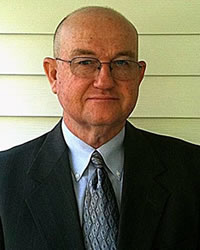
Gary Shepard

The Who and How of Forgiveness

Ephesians 1:7
Gary Shepard December, 8 2015 Audio
0 Comments
Gary Shepard
Gary Shepard December, 8 2015

Sermon Transcript

Auto-generated transcript • May contain errors

100%
Turn with me in your Bibles this
morning to the book of Ephesians. Ephesians chapter 1. I begin reading with that first
verse. Paul, an apostle of Jesus Christ,
by the will of God, to the saints which are at Ephesus, and to
the faithful in Christ Jesus. Grace be to you and peace from
God our Father and from the Lord Jesus Christ. Blessed be the God and Father
of our Lord Jesus Christ, who hath blessed us with all spiritual
blessings in heavenly places in Christ, according as he hath
chosen us in him before the foundation of the world, that we should
be holy and without blame before him. in love, having predestinated
us unto the adoption of children by Jesus Christ to himself, according
to the good pleasure of his will, to the praise of the glory of
his grace, wherein he hath made us accepted in the Beloved, in
whom we have redemption through His blood, the forgiveness of
sins according to the riches of His grace." Every time I stand before this
group of people, or really any group of people, I'm always reminded about how
very different we all are. Some male, some female. Some young, some old. Some with various tastes on the
one hand, others with different Some from one place, some from
the other. There's just lots of variety
and difference. But I'm also reminded of how
we all have some things in common. We have this gospel, this message,
because we have some things in common. And one of those things is we
all came from the same ancestral head. We all can trace our family tree
all the way down and find in its root the one man, Adam. He is our common head, not only
naturally, but he is our common head also representatively. We all came out of Adam according
to the flesh. But there in that garden we all
stood in Adam, him being the representative of our race before
God. All you have to do is read the
fifth chapter of the book of Romans especially, and what you
will find is that we have this also in common, and that is when
Adam fell, it not only says that he sinned, But it says that all
sinned. We all sinned in Adam. And all we have to do to realize
this is to look all around us If we can't look in us, just
look all around us and behold the effects of that act. And so we all not only send in
Adam, but we all, when we come forth from our mother's womb,
we come forth as sinners. You may be from the north, I
may be from the south, but we're both sinners. You may be a woman,
I may be a man, but we're both sinners. You might be young, and I know
I'm old, But we're both sinners. All have sinned and come short
of the glory of God. And that sin brought death to
us. Brought death, spiritual death
to our race. We're all born not only sinners,
but we're born dead in trespasses and sins. Sin has polluted and sin has
permeated all that we do and all that we are. God tells us, in Adam all die. And the wages of sin is death. Not simply physical death, but
eternal death. Eternal separation from God. And as sinners, Our only hope is the forgiveness of sins. That's our only hope. That's our greatest need. You might think you need other
things, and you well may, but you don't need anything like
you need the forgiveness of sins. And I read this first chapter
of Ephesians down to that seventh verse. Because when Paul wrote to these
people in the church at Corinth, he not only addressed it to the
saints which are at Ephesus, rather, he says, and to the faithful
in Christ Jesus. He not only addresses these believers
in Christ at that place and at that time, but his word is to those in every
age to follow who would believe. Not just believe in some generic
or general sense, but to those who would be brought to believe
on the Lord Jesus Christ. And when he does this, he says
in that eighth verse, in whom. This has to do with a particular
person. But it not only has to do with
this particular person, it has to do with a particular work
that he accomplished, the work of redemption. In whom we have
redemption through his blood, the forgiveness of sins. That according to the riches
of God's grace. He tells us in whom it is. And He tells us how it is. And He tells us why it is. It's all by the riches of His
grace. And although this is our greatest
need, the problem is being sinners, sin has blinded us to our greatest
need. We need happiness. We think we
need help. We need a little more money. We need a bigger house. We need
a better car. We need a lot of things. But
we're blinded by the very problem we have to what we really need. And we're blinded to the who
and the how of forgiveness. That's my message. and the how of forgiveness. And when God begins to show us
something about this matter of the forgiveness of sins, he gives
us a really good and a really clear picture of what it's all
about. And that picture is found in
Mark's gospel. Mark's gospel in that second
chapter where he seems to put everything in perspective for
us if we have eyes to see it. The Lord Jesus, it says, entered
into that city known as After some days, and it was noise
that he was in the house, and straightway many were gathered
together, insomuch that there was no room to receive them,
no, not so much as about the door. What did he do to these? What did he do for these? He preached the word unto them. Nothing better can ever be done
for us than to have the word preached unto us. And they come
unto him bringing one sick of the palsy which was born of four. came, four men did, bringing
a man on a bed that had some kind of paralysis problem, paralyzed
from birth most likely. And when they could not come
nigh unto him for the press, for the crowd, they uncovered
the roof where he was. And when they had broken it up,
they let down the bed wherein the sick of the palsy lay. And when Jesus saw their faith,
he said unto the sick of the palsy, Man, you need healing. I'm going to heal you right now,
first of all. Let's take care of the most important
problem you have. No. That's not what he says. It says that Jesus said to this
man, Son, thy sins be forgiven thee. your sin be forgiven you." But
there were certain of the scribes sitting there and reasoning in
their hearts, why does this man thus speak blasphemies? Who can forgive sins but God
only? It's amazing what people can
know and yet still not know. Who can forgive sins but God
only? And while they expressed what
would outwardly be a truth, they were guilty themselves, these
scribes and Pharisees, of offering a multitude of various remedies. so that men and women might be
forgiven of their sins. That's the blindness I'm talking
about. How in the world could men and
women imagine that they could get forgiveness from a dead woman,
even though she'd be the Lord's earthly mother? Or how could
they ever imagine that some priest who's a sinner just like they
are could ever in some way give to them, absolve them of their
sins, give them some prescription or something to do or some organization
to trust in that they might be forgiven of their sins? blindness. How could men and
women imagine that by walking down the aisle of a building
your sins could be forgiven? Or how could they imagine that
by shaking a preacher's hand or maybe reciting a rehearsed
prayer they could be forgiven of their sins? At least in their head, these
Pharisees knew more than that. They said only God can forgive
sins. But in their blindness, their
sin had blinded them so that they were not able of themselves. They did not recognize that the
one who was standing there before them, he was more than a prophet
and more than one who would die as a martyr He could forgive sins because
He's God. Their own words condemned them. But when Christ spoke these words
to this man, and you can just be guaranteed that this man was
forgiven of his sins. When he spoke these words to
this man, it was based not only on law, but on love. They were based not only on mercy,
but on justice. He said, Son, thy sins be forgiven
thee. You see, the words that we have
in the New Testament, that in one place the word is translated
remit, and another place is translated forgive. I don't think that's a coincidence.
And the reason being forgiveness and remission They cannot be
separated. Forgiveness of sin and remission
of sin, they are the same act of God who alone can remit and
forgive sin and who only does it through and by the work of
the Lord Jesus Christ. You get forgiveness of sins. And by the way, he doesn't forgive
one sin and then hold the believer accountable for another sin.
When he talks about forgiveness of sin, he's talking about the
forgiveness of all our sins. Past, present, future. You see, they were all future
when Christ came. And we read in Daniel in chapter 9 where it says, to
the Lord our God belong mercies and forgiveness. We are going
to have to go straight to the only one who can forgive us. In Micah he says this, Who is
a God like unto thee, that pardoneth iniquity, and passeth by the
transgression of the remnant of his heritage? He retaineth
not his anger for ever, because he delights in mercy. And we'll just all throw up our
hands and say, well God's merciful. We'll just go on. Everything
will be all right. He's going to forgive me anyway.
He's going to do this. He's going to do that. I have
nothing to be afraid of. I'll just acknowledge. I believe
there's a God. I believe there's the Lord Jesus
Christ. Everything's fine. Nope. The psalmist said, If thou, Lord,
shouldest mark You can just write it down, my
friend. He is. He does. If thou shouldest mark iniquities,
O Lord, who shall stand? Are you going to plead your case
before God? Would I be brazen enough to stand
up and say, Lord hold the scales of justice up and put me on the
one side and put your law, put your justice on the other side.
I hope I'll come out ahead. No. We won't. But what is it for God to remit
sin? What is it for God to forgive
sin? Well, those words actually in
themselves, they tell us a lot about what it is. And it is not
simply to forget. He doesn't just forget sin. He
doesn't even just pardon sin. Because in these words that we
have as remit and forgive, they have meanings like this, to release
from bondage or imprisonment. Or definitions like this, pardon
of sin as if they had never been committed. I like that definition. The thought of God looking at
me and viewing me as if I had never committed one sin. That's what God's forgiveness
is about. It has a definition like this,
the remission of the penalty. There's a penalty of sin, for
sin. But when we remember Christ's
words there in John chapter 20, he says something to those disciples. He said, whosoever sins you remit,
they are remitted unto them. And whosoever sins you retain,
They are retained. Well preacher, I thought you
just said that no man, no son of Adam has the power or any
authority to forgive sins. What he's talking about there
is a declaration that is based on what God says. Now if you
ever want to be sure to speak truth, you have to say what God
says. When our Lord stands in His Word
against People as they are in our generation, and they say
things like this, you ought not to judge this or judge that or
judge somebody. They take one little part of
scripture, wrest it out of its context, and use another excuse for not
believing God. He says, judge righteous judgment. How in the world do we ever,
can we ever, even as sinners, judge righteous judgment? It's the simplest thing. We make
a judgment based on the Word of God. We find out how God is by His
Word. We find out what and how we are
by His Word. And we find out how He forgives
sin by His Word. That's a righteous judgment.
We know it's right because God said it. We know it's right because
God does it. Look over in Acts chapter 13.
And listen to what the Apostle says in Acts chapter 13, Paul
when he stands up to preach. Verse 38, he says, Be it known unto you
therefore, men and brethren, that through this man, who's
he talking about? He's talking about Christ. He's
talking about the man Christ Jesus, that through this man
is preached unto you the forgiveness of sins. You see, if you are not a sinner,
if you don't have any sins, if you think you can stand before
God on your own, if you think God won't punish sin, the gospel
has nothing to say to you. You see, when Christ is preached,
through Him is preached the forgiveness of sins. And by Him, all that
believe are justified from all things from which you could not
be justified by the Law of Moses. Why would I ever want to run
to the Law of Moses? All it can do is condemn me.
Why would I ever want it as the rule of my life when all it can
ever do is condemn me, finding me the fault that is surely there? But through this man is preached the forgiveness of
sins. And what he gives to these disciples
And what he gives to all his preachers of the gospel and to
all his people in all generations is the authority, is the power,
and is the privilege of giving the assurance of the forgiveness
of sins by God on that basis that God himself has determined. You say, how could you ever think
that you could give assurance? I give assurance on the same
basis and the only basis upon which God gives it. As a matter
of fact, the gospel is really about the forgiveness of the
sins of God's people already accomplished. They won't experience that until
He brings them to believe. But when you look at what Paul
says there in Ephesians 1, he says, in whom we have it, we got it. All of God's people have it. they have the forgiveness of
sins. But yet being in themselves still
blind in their sins until he opens their eyes, we're going
around trying to establish our own righteousness, trying to
undo our sins. Let me tell you something. If
you could from this day forward not sin one single bit, you'd still have two problems. Number one is the fact that you
would still in yourself be sin. Number two, all those past sins
would still have to be accounted for. We cannot undo what we are. And we cannot undo what we do
because everything we think, everything we do, everything
we say, every work that we seek to do, everyone is tainted and
polluted by sin. Why? Because of synodism. That's why they are. But he gives these gospel terms
and they are that in the Lord Jesus Christ, God forgives sin. I am so glad. He tells us that there is one
priest And there is one sacrifice for sins forever. In other words,
the forgiveness of sins is not you imagining how Jesus is and
saying in your own self with this vision of Jesus in your
mind, forgive me. That's not what the forgiveness
of sins is about. not about Christ in some mystical
way, but in one way. That's through the blood of His
cross. That's in the Lord Jesus Christ
and Him crucified. You see, God can only forgive
sins through the substitutionary death of the Lord Jesus Christ
for sins. His death on the cross is that
one sacrifice for sin forever. But you don't believe that. You
don't look to that and look to that alone. You don't find an
interest in that because you don't really believe you're a
sinner. I don't agree with all Mr. Spurgeon
said, but I do believe in one thing he said. He said a sinner
is a sacred thing. The Lord has made him such. If
you find somebody out here in this world who is not so flippantly
talking about God, talking about Jesus, talking about sin in such
a light-hearted and foolish manner, If you find somebody, if there
is somebody in this place who's really burdened over their sin
and know that their sin is against God, he really wants a remedy. It's because the Lord has made
him such. I tell you, if you knew you had
a dread terminal disease, you'd be seeking whoever it is that
is known to be able to cure that disease. And in this case of
sin, and sin is likened to a disease. It's just one. Just one. And if you imagine just as so
many did, and as we find reading there in Matthew 7, that you
might stand as they Christ said they'll stand and they'll say
in that day, oh Lord, Lord, many wonderful works we've done. They're going to tell God what
they've done and what they've not done. They're going to present
before God what they think is their best. What's he going to say? Depart
from me, ye that work iniquity. I never knew you. I never knew you. Christ says of his own sacrifice,
for this is my blood of the New Testament, which was shed for
many for the remission of sins. You see, it isn't in what we
do, it's in what He did. It's not in what we cease to
do, it's in who He was. And Christ satisfies in His death
the justice of God on somebody's behalf. They're going to have
forgiveness. You see, if you're looking to
Jesus who just made something available, that's the wrong one. He actually, it says, put away
sin by the sacrifice of Himself. He put away somebody's sin. And
therefore, on that just basis, God forgiven them of their sin.
He is going to bring them to that experience. He is going
to enable them to look outside of themselves and apart from
themselves in all their standing before God and acceptance before
God. And they are going to find out
just what Paul is talking about. In whom we have the forgiveness
of sins. How? By the blood of His cross. All those Old Testament prophets
and especially all the sacrifices and work of the Old Testament
priests showed that sin can only be remitted and removed and made
an end of by blood, by the death of a substitute. Do you ever stop and wonder? God ordained that economy whereby
day after day they took animal after animal. And one man, especially
once a year, took the blood of this sacrifice, went into this
holy place in a tabernacle, and he sprinkled that blood on what
was called the mercy seat. Why? To show the only way that
God forgives sin. And when that priest, that high
priest who went into that holy place, when he came out of that
place alive, that meant God had accepted his sacrifice on the
behalf of these people. He had made atonement for sins
in a type and a picture And likewise, when Christ, after having hung
on that cross and died the death of the cross, was put in a tomb,
buried there dead, and rose again. That meant he had successfully
put away somebody's sin. God accepted his work. God accepted
his sacrifice. So when we read in Hebrews which
takes all the things from those Old Testament types and shadows,
that economy that God gave to Moses and shows us in them that
Christ was what they were all about. In Hebrews 9 he says, And almost
all things are by the law purged with blood. Listen to this next statement.
And without shedding of blood, there is no remission. There
is no forgiveness. You may be forgiven by me, I
may be forgiven by you, we may all get together and agree to
forgive each other, but there's nobody going to be forgiven by
God without this shedding of blood. Hebrews 10. He says, This is
the covenant that I will make with them after those days, saith
the Lord. I will put my laws into their
hearts and in their minds will I write them, and their sins
and iniquities will I remember no more. Now where remission of these
is, there is no more offering for sins. Why did all those Old Testament
types and shadows and priests and sacrifices, why did they
come to an end? When did they come to an end?
When the priests came. When the sacrifice came. And where there is remission
of sin, there's no more offering for sin. Not only do we not need
the blood of bulls and goats and calves and such, we don't need another Christ. He entered in once. He put away
sins, all the sins of all His people once. He continues, "...having therefore,
brethren, boldness to enter into the holiest by the blood of Jesus."
He's not talking about literally taking the blood of the man Christ
Jesus and smearing it on us or doing anything like that. He's talking about being forgiven
by God. and accepted by God, able to
enter into the presence of God through the person and the work
of the Lord Jesus Christ. Christ the scripture says suffered
the just for the unjust and in doing so he brought his people
to God. He died and laid down his life
for the sheep. He said, I give my life for the
sheep. I lay down my life for the sheep. And he did so by bearing their
sins in his own body on the tree. He made an end of them. That's the only way he could
forgive our sins. To make an end of them. To pay
the price that they deserved under his justice. Their sins
had long been before removed from them, and not imputed to
them, laid on Him, and He became sure to His blood, therefore
ratifying what He calls the everlasting covenant. Forgiveness. Whether it was before the cross
or after the cross. All his people were forgiven
based on what Christ did in his death on the tree. God hasn't given me the authority to say a whole lot of things. He's not given me the authority
to heal. Paul, you wouldn't have an ache
in your body this morning if I did. I would never have another
headache. But he's given this authority. I didn't wake up this morning
and have some new word from the Lord, like these preachers claim. New light. But I know this, God has promised to receive and
forgive every sinner who comes to Him through the blood, through
the death, through that sacrifice of righteousness in the Lord
Jesus Christ. I can't promise you you'll be
wealthy, healthy, and wise. But I can promise you that if
you want forgiveness, it's in Christ crucified. Paul, when he writes to the church
at Colossae, he says the same thing. In whom we have redemption
through his blood, even the forgiveness of sins. Now only a sinner needs forgiveness. And every sinner who truly finds
out what that means, what that condition is, what that standing
is before God, they flee to Christ. They flee to Christ. All who look to him alone, they receive the forgiveness
of sin. He's the who, and he's the how. And that's good news. Will be good news to some folks
in this world. He hath saved us and called us. What does it mean to be forgiven
of all your sins? If you want to know how God feels
about sin, look at the cross. Because when all the sins of
His people were laid on Christ, Christ cried out, oh, why hast thou forsaken me? That
justice of God slew the Lord Jesus Christ, because that is
the penalty for the sins of his people. And what if he paid them? They're no more. Forgiveness
is not a feeling. It's a standing. It's a relationship. It's an accomplished thing. And
it's a wonderful thing when God reveals it to our hearts and
minds. It brings the most wonderful
peace. We'll have problems, but we'll
be forgiven. We may get sick, but we'll be
forgiven. We're going to die, but we'll
be forgiven. And that's the authority of God.
I didn't make that up. It's in this book. Father, this
day we cannot but praise you for such the riches of your grace, that in Christ and through his
work of redemption you blessed us to have all our sins forgiven,
remitted, not laid to our charge, not accountable for, And Lord, that, rather than as
some would say, rather than make us want to continue to sin and
sin and sin, that motivates us, Lord, by your
grace not to, if it requires such a price. He has an advocate with the Father,
Jesus Christ the righteous. Be pleased to reveal this good
news to the hearts of your people. Remind us of it, for we pray
and thank you for it. And for him, praying in his name, amen.
Gary Shepard
About Gary Shepard
Gary Shepard is teacher and pastor of Sovereign Grace Baptist Church in Jacksonville, North Carolina.

Comments

0 / 2000 characters
Comments are moderated before appearing.

Be the first to comment!

Joshua

Joshua

Shall we play a game? Ask me about articles, sermons, or theology from our library. I can also help you navigate the site.