Bootstrap
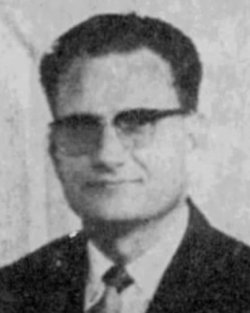
W.E. Best

#17 The Prosecution of the Case Against Man

Romans 1:18-32; Romans 3:20
W.E. Best July, 1 1973 Audio
0 Comments
Remastered October/November 2024

Sermon Transcript

Auto-generated transcript • May contain errors

100%
We completed our present studies
of Romans 1, 1 through 17 this morning. Tonight I will do my
best to lay the groundwork for our studies for several weeks,
beginning with the 18th verse of Romans chapter 1, which will
take us through the 20th verse of the third chapter. This is
the second great division of the book of Romans. Tonight,
as I lay the groundwork for this series of studies, I'll be giving
to you the subdivisions of this second major division of the
book of Romans. The introduction to Romans is
over. The announcement of the gospel has been made. We can
now, beginning with verse 18, begin our study of what is called
the argument concerning the prosecution of
a case against man. Before there can be a remedy,
there must first be a diagnosis, and before there can be a diagnosis,
there must be a case history. Now this is a well-known fact
in the field of medical science. No one objects to it. However,
when it comes to the subject of man and his depraved condition,
most people do not want to consider the case history. Neither do
they want a diagnosis after the case history has been presented. We have in Romans 1 18 through
chapter 3 verse 20, the case history of man. It is not a pleasant
sight at all, but it is one that is very important in order for
us to see the real truth and the real basis for the salvation
of man. Let us open our Bibles once again
to Romans chapter 1. I'm hoping that you will do your
best to commit the last division of chapter 1 to memory. This is an awful picture that
is given us beginning with the 18th verse through the 32nd.
The case history, however, does not end with the 32nd verse of
the first chapter. It goes on through to the 20th
verse of the third chapter. I would like tonight for us to
read the last verses of the first chapter. The better we become
acquainted with these verses, the easier it will be for us
to follow in the messages that will be given over the next several
weeks from this one portion of Scripture, Romans 1, 18 through
32. for the wrath of God is revealed
from heaven against all ungodliness and unrighteousness of men who
hold the truth in unrighteousness. Because that which may be known
of God is manifest in them and it should be to them rather than
in them, and the next phrase proves what I have just stated,
for God hath showed it unto them. The Apostle Paul is not talking
about the conscience of man in the first part of the 18th verse.
That subject is dealt with in the second chapter, verses 14
through 16. So it should read, you can check
me out on this to see if I'm giving you the truth, like this,
because that which may be known of God is manifest to them for
God hath showed it unto them. Now the 20th verse deals with
the subject of the revelation of God in creation. We will have
one message on the wrath of God from the 18th verse. In that
message, probably next Sunday morning, I'm not for sure yet,
we'll give an exposition of the major points that are brought
out in this 18th verse. After the subject of the wrath
of God has been dealt with, then we will begin a study of general
revelation. A distinction must be made between
general and special revelation. General revelation will not save
the soul of any person, but general revelation does make every soul
under the canopy of heaven inexcusable before God. So the subject of
natural revelation is dealt with in verse 20. Actually, the 20th
verse is a divine commentary, if you will notice, on the statement
because that which may be known of God is manifest to them for
God hath showed it unto them. He goes on to say, for the invisible
things of him from the creation of the world are clearly seen,
being understood by the things that are made, even his eternal
power and Godhead, so that they are without excuse. Three attributes are mentioned
in verse 20, the eternality of God, the omnipotence of God,
and of course the deity of the Godhead. Godhead could be better
translated deity. So the deity of God, the eternality
of God, and the omnipotence of God. Verse 21, because that when
they knew God, or knowing God, Not in the sense that they knew
him sometime in the past, but the better translation of this
would be, but knowing God. Knowing God. Just as persons
today, under the general revelation of God, know that God, that is
a supreme being, exists. So because that when they knew
our knowing God, they glorified him not as God. Neither were thankful, but became
vain in their imaginations, and their foolish heart was darkened.
Professing themselves to be wise, they became fools, and changed
the glory of the uncorruptible God into an image made like to
corruptible man and the birds and four-footed beasts and creeping
things. The 24th verse should cause all of us to stop and consider what this verse
really does state. Wherefore, God also gave them
up. He gave them up to uncleanness
through the lust of their own hearts, to dishonor their own
bodies between themselves. Who changed, that's not a good
translation, exchanged who exchange the truth of God for a lie, and
worship and serve the creature more than the Creator, who is
blessed forever. Amen. Verse 26 is a repetition, part
of it, of that stated in verse 24. For this cause God gave them
up on the vow of petitions, Beloved, we see this on every
hand today. For even their women did change
the natural use into that which is against nature. The lesbian
vice is described in that statement. It needs no further comment.
Verse 27, and likewise also the men. leaving the natural use
of a woman. Here homosexual practice is emphasized. Burned in their lust one toward
another, men with men, working that which is unseemly, and receiving
in themselves that recompense of error which was me. The 28th
verse is another statement about God giving people up. And even
as they did not like to retain God in their knowledge, God gave
them over to a reprobate mind to do those things which are
not convenient. I think you can already see why
most people do not like to study this portion of scripture. It isn't going to be easy to
do that, but in order to declare the whole counsel of God, this
subject must be dealt with, along with all other subjects recorded
in God's word. Beginning with the 29th verse,
being filled with all unrighteousness, notice being filled with all
unrighteousness, fornication, wickedness, covetousness,
maliciousness, full of envy, murder, debate, deceit, malignity,
whispers, backbiters, haters of God, despiteful, proud, boasters,
inventors of evil things, disobedient to parents, without understanding,
covenant breakers, without natural affection, implacable, unmerciful,
who knowing the judgment of God, that they which commit such things
are worthy of death, not only do the same, but have pleasure
in them that do them." You say that is a dark picture. I do not have adjectives enough
at my disposal to describe the awfulness of the picture. But
I believe God has done a good job of describing the awfulness
of sin. The doctrine of sin is a subject
which we will be studying for several weeks. Therefore, I am
not sure that we will make a study next Lord's Day morning of the
18th verse on the subject the wrath of God. In order to deal
with this portion of Scripture, the doctrine of sin must be taught. As I stated this morning, many
subjects that are related to the subject of sin must be given. I've gotten into a deeper study
of that subject than I have in the years that I've been studying
the Word of God. Many things that have been rather
puzzling to me in the past are not as puzzling now as they have
been. I hope that I'll be capable of
sharing some things with you as the result of recent studies
on this particular subject, the doctrine of sin, that would be
helpful to you. To have a better understanding
of sin and its relation to the sovereignty of God, sin and its
relation to the providence of God, in the discussion of these
subjects we will deal with the origin of sin. Much misunderstanding exists in our day over the subject
of the origin of sin. In beginning with the 18th verse
of Romans chapter 1, We have the foundation of the Christian
message. I said the foundation. We must
know that we are sinners, and we can know that we are sinners
by investigating this portion of scripture. Verse 16, as we have already
taught, declares the gospel to be the power of God unto salvation. Observe now what I'm doing. in
reaching the place where we will begin our study tonight. Verse
17 explains just what the power of God really is. It is the righteousness
of God that is revealed in the gospel. The righteousness of
God for unrighteous men. Beginning with the 18th verse
of chapter 1 through chapter 3 verse 20, This section of scripture
is given us to prove that man has no righteousness of his own. For instance, in the third chapter,
the ninth verse, there is none righteous, no, not one. Man not
only is unrighteous in the presence of a righteous God, but he is
incapable of producing that righteousness in order that he might stand
before the righteous and holy God. The Apostle Paul begins
his proof by dealing with the corruption and condemnation of
the Gentiles beginning with verse 18 through the last verse of
the first chapter. Let me take time now to give
to you the subdivisions of this major division. In discussing the subject of
condemnation because of sin, Paul, first of all, shows how
wicked, how vile the Gentiles are. And this is what he has
discussed in the last section of chapter 1. In chapter 2, beginning
with the first verse, through the 16th verse, we have another
subject dealt with. Actually, in the First chapter,
verses 18 through 32, Paul deals with a rationalist. It shouldn't
be necessary for me to go back and quote some of the verses,
but I will. One, when they knew God or knowing
God, they glorified him not as God, but became vain in their imaginations
and their foolish heart was darkened. Professing themselves to be wise,
they became fools. Now you can see why God gave
them over and finally gave them up. He's dealing with the Gentiles
primarily. So the rationalist is discussed
in the first chapter. Beginning with the second chapter,
verse 1 through the 16th verse, he deals with another type of
individual. He is talking about the reformer.
Notice beginning with verse 1, Therefore thou art inexcusable,
O man, whosoever thou art that judges, for wherein thou judgest
another thou condemnest thyself, for thou judgest doest the same
thing. He went on to say we are sure
that the judgment of God is according to truth. He goes on through
the 16th verse dealing with the Reformer. And then beginning
with the 17th verse of the second chapter, he deals with the religionist.
And having dealt with the religionist in the section beginning with
the 17th verse through the 8th verse of the third chapter, he
completes his threefold division of mankind. The rationalist,
the reformer, and the religionist. All three are dealt with. All
three are outside of the Lord Jesus Christ. Now, some sin to
a greater degree, but all are guilty before God, whether the
person be a Gentile, whether the individual be a Reformer,
or the individual be a religionist. They are all guilty before God. coming to the 9th verse of the
3rd chapter through the 20th verse. Here we have a court scene. Now I said tonight I'm laying
the foundation and I'm hoping that you're taking some notes.
Because if you're not, then my messages that will follow will
not mean as much to you. We have a court scene and there
are seven parts to this court scene. I want us to look at the
court scene briefly, beginning with the ninth verse. He's no
longer now dealing specifically with the rationalist, the reformer,
or the religionist. He just brings it all now to
a head, and he says, What then? Are we better than they, knowing
no wise? For we have before proved both
Jews and Gentiles, that they are all under sin. As it is written,
there is none righteous, no not one. Beginning with the 11th
verse, there are 14 horrible indictments against every person
outside of Jesus Christ. 14 of them. We'll not give them
to you now, but you can number them when you have time. After
he makes reference to these 14 horrible indictments against
mankind in general, Then he makes the statement, beginning with
the 19th verse, Now we know that what things soever the law saith,
it saith to them that are under the law, or who are under the
law, that every mouth may be stopped, and all the world may
become guilty before God. Therefore by the deeds of the
law there shall no flesh be justified in his sight, for by the law
is the knowledge of sin. Once again we come to the 21st
verse which is the beginning of a new division and it deals
with the subject of justification after Paul deals with the subject
of condemnation because of sin. And we have the corner word of
scripture that we have told you about beginning with the 21st
verse, but now. But now. Or at the court scene,
and there's seven parts to the court scene in verses 9 through
20. I'll number them for you. Number
one, the accused. The accused, all under sin. Verse 9. What then? Are we better than they, knowing
no wise? For we have before proved both
Jews and Gentiles that they are all under sin. They accuse all
under sin. Second, the judge is none other
than God himself. He is the righteous judge. He
is righteous in all of his dealings with mankind. So the judge is
God. the accused, all mankind, the
judge, the righteous and holy one. Third, the jury. The jury consists of the 14 indictments
against mankind. Let's look at them. There is
none that understand it, verse 11. None that understand it. There is none that seeketh after
God. You can number them later, just
we'll read them. All gone out of the way, they
are together become unprofitable. There is none that doeth good,
no not one. Their throat is an open sepulcher,
where their tongues they have used to see. The poison of asps
is under their lips. whose mouth is full of cursing
and bitterness. Their feet are swift to shed
blood. Destruction and misery are in
their way, and the way of peace have they not known. There is
no fear of God before their eyes." Fourteen horrible indictments,
and these indictments constitute the jury. So there are 14 on
the jury rather than 12. Fourteen horrible indictments. Fourth, the charge. We might say that the jury would
refer to the deeds of the law, and the charge, the violation
of all of these things that are mentioned. Fifth, the prosecuting
attorney. Who is he? The prosecuting attorney
is none other than the righteous law of God, before whom every
person must stand. So the prosecuting attorney is
the law. The defense is number six. Every
mouth stump. You know, when the witnesses
have been brought before a case and they've given their testimonies,
finally the lawyers will say, the case rests. The defense rests. Well, here it is. The defense
rests. And what is the defense? Every
mouth stump. Verse 19. What is the verdict? The verdict is pronounced for
the judge. Every man guilty before God. Now look at these subdivisions. Beginning with verse 18, chapter
1 through verse 32, Paul is dealing with the Gentiles primarily,
and he considers them as rationalists. Chapter 2, verse 1 through 16,
the reformer. It is true that he is talking
about Jews, but he is specifically dealing with the Reformer. And
then beginning with the 17th verse, and there isn't any doubt
in one's mind when he begins reading with the 17th verse,
Behold, thou art called a Jew, and restest in the law, and makest
thy boast of God. He's dealing with a religionist.
And this subject goes through the 8th verse of the 3rd chapter. You notice in the 1st verse of
the 3rd chapter. What advantage then hath the Jew, or what profit
is there of circumcision? Much every way, chiefly, because
that under them were committed the oracles of God. So he's dealing
with the religion. Then comes the court scene. which begins with the ninth verse
and concludes with the 20th. So this entire section, chapter
118 through chapter 3, verse 20, condemnation because of sin. Now let's discuss the passage
in general for a few minutes. As man died in sin, he must be
made alive by the righteousness of God. as the righteousness
of God is revealed in the gospel, so the wrath of God is revealed
from heaven against all ungodliness and unrighteousness of men who
hold the truth in unrighteousness. You might raise the question,
what truth was being held in unrighteousness by the rationalists? There is one specific truth which
was being suppressed by the rationalist of Paul's day, and that was the
truth revealed in general revelation. That's the truth that he's talking
about primarily. But beloved, since he goes on
and talks about the reformer and the religionist, there is
not a religionist today who does not hold some truth. Follow me now. Even the Christian
scientists, as heretical as Christian science is, when you read their
books you'll find a true statement once in a while. It doesn't make
any difference what false religion there might be, there is some
truth being held by that false religion. How do you think false
religions could deceive people so easily if they didn't have
any truth whatsoever? But keep this in mind, whether
the person be a rationalist that is suppressing the general revelation
of God by his own rationalism, or a religionist who holds to
some truth Apart from the grace of God, all truth is held in
unrighteousness. Now think about that for a moment,
and let that sink in deeply. Even the truth, the little bit
of truth that is held by false religions, it is being suppressed,
it is being held in unrighteousness. That's true in the life of every
person. who is not a recipient of the
grace of God. That isn't a pleasant thought,
but you and I must see it. That means here is an individual
who professes to be a Christian, but the person is not a Christian.
He's a hypocrite. And he talks about the truth,
and he may be able to quote Scripture, and he may hold to Particular
truths are truths contained in the Scriptures. That which he
holds is hell and unrighteousness. The only person who holds truth
in righteousness is the person who has been saved by the grace
of God. When you think about the revelation
of righteousness in the gospel, You must not stop with the 17th
verse but go on to the 18th because in that verse the wrath of God
is revealed. The wrath of God is revealed. Do you know what the counterpart
of righteousness is? It's wrath. Do you know what
the counterpart of love is? It's hatred. Are you following
me? Now the wrath of God is revealed,
Paul said, from heaven against all ungodliness and unrighteousness
of men who hold the truth in unrighteousness. Wrath, beloved,
is not a passion. I'm talking about the wrath of
God. The wrath of God is not a passion. It is a principle. Don't ever forget that. There
are two Greek words translated wrath, thumos and arge. Now we're not going to deal with
those tonight, we will do this in the message on verse 18. But
the word that Paul uses here is not thumos, but it's arge. And there's a reason for the
use of this particular word translated wrath. I said that wrath with
God is a principle, it is not a passion. It's the counterpart of righteousness. So as the righteousness of God
is revealed in the gospel, God's wrath is revealed against all
unrighteousness. God cannot love righteousness
without hating unrighteousness. And the same thing is true in
the life of every person who has been saved by God's grace.
You cannot love righteousness without hating unrighteousness. Let me illustrate that for you.
Go with me, if you will, please, to the 119th division of the
Psalms. Psalm 119. There are two great passages of Scripture.
dealing with this subject of love and hate. I'm desirous of
showing you tonight that just as God loves righteousness and
hates unrighteousness, so the person who has been saved by
the grace of God loves righteousness and hates unrighteousness. Listen
to the psalmist in the 97th verse of the 119th division of the
Psalms. O how love I thy law! It is my meditation all the day. I would like to break that text
down into three divisions, and I will preface the giving of
the divisions by saying persons who attempt anything in the law
of God without grace will soon give it up. I told you at the beginning of
our messages on the book of Romans that I had never, in my 30 years
of pastoring a church, have ever taught the book of Romans without
seeing some evidence of revival, and I've seen a little evidence
of revival thus far, but not what I would like to see. But
I've never taught the book of Romans without also seeing some
people being brought to light And some folk become angry because
they're exposed. Now here's a good illustration
of it. Oh, how love I thy law. Why? Because it is my meditation
all the day, all the day. In the 97th division of the Psalms
in verse 10, I'll read it. You need not turn to it. Ye that
love the Lord hate evil. This simply means that when we
are reconciled to God, when the righteousness of God has been
bestowed upon us, when we stand before the Lord justified and
the righteousness of God is imputed to our account, we love the things
that God loves. We love righteousness. We love
holiness. We love truth. And we hate the
things that God hates. We hate unrighteousness. We hate
lies. We hate hypocrisy. We hate these
things in our own lives. And we hate them when we see
them manifested in the lives of others. So the psalmist could
say, ye that love the Lord hate evil. So the person who attempts
anything in the law of God without grace will soon give it up. Now
there can be no perseverance in the things which are not loved. I said there are three divisions
of the 97th verse of the 119th division of the Psalms. They
are, first of all, the object of love by law. That doesn't
mean, beloved, that we love just a portion of God's law or his
word, but we love all of it. We love it from Genesis 1, 1
to Revelation 22, 21. We're not just going through
the scriptures and picking out some things that are pleasant
to us, but we go through the scriptures and study the whole
counsel of God in order that we might be well-rounded Christians. So the object of love, by law. Second, the degree of that love. The degree is expressed in the
word, Oh how love I. Oh how love I. I don't know if I'll ever see
this in my life or not. I would like to see it. Now I
know that you folk who come to this church, some of you drive
great distances. Some as far as 42 miles one way. You come to hear the whole counsel
of God expounded. And we're grateful for the disposition
of heart that brings persons to hear the word of God expounded.
But beloved, I have not yet seen the enthusiasm that I'd like
to see for the truth of God's word. And I say that about even
most of the folk in this church. Certainly there is interest. Many of you have been loyal through
the years. But can we express our love for the word in the
same manner that David did? And here is the degree of that
love. Oh, how love I! In other words, are we sold out? That's what I'm talking about.
Are we sold out for the word of truth? Beloved, when we're
sold out for the word of truth, nothing will hinder us. except of course bad health or
something in the providence of God. But we'll not make any excuse
for not being in the place to hear the word of God expounded.
I would like to see a revival the kind that Ezra experienced
during the days of Nehemiah when he stood on the platform in the
eighth chapter of Nehemiah and he read the word of God for five
hours and gave the sense. And the people said bring on
the book, bring on the book. Why? Because they loved and they
expressed their love for the Word of God in the same manner
in which David expressed his love. Oh, how love I! That's the degree of love. And
then number three, the evidence of that love, it is my meditation. It can't be expressed any clearer
than that. The object of love, the Word
of God, The degree of love, oh, love I, how love I. And the evidence
of that love, it is my meditation. My meditation. Now look at the
113th verse. The same person who said, O Lord, I love your word and I hate evil.
Back in the 97th division and here in the 97th verse, O how
love I thy law, it is my meditation all the day. He says in the 113th
verse, I hate vain thoughts. In contrast to that, but thy
law do I love. Love is the positive side of
the principle of righteousness. And hate is the negative side
of that same principle of righteousness. Now you see why I brought this
out? I brought it out because the Apostle Paul has just given
us a wonderful statement concerning the righteousness of God being
revealed in the gospel. And then he goes on to say, for
the wrath of God is revealed from heaven against all ungodliness
and unrighteousness of men who hold the truth in unrighteousness.
with God, wrath is a principle, not a passion. His anger is only the reaction
of holy love in the presence of sin. Wrath against sin is
as natural to the nature of God as his love is for holiness. God could not be holy without
being jealous for his holiness. He could not be holy without
reacting against sin. You and I cannot be holy in the
holiness of Christ, or righteous in the righteousness of Christ,
without hating that which is against that righteousness, which
is contrary to that holiness. Where there is faith in Jesus
Christ, there is the revelation of the righteousness of God.
Where there is unbelief, there is the revelation of the wrath
of God. Now the division, chapter 1 through
chapter 3, verse 20, is characterized with the word S-I-N. Sin. Condemnation under sin. We have God's arraignment of
man, and the arraignment is on two accounts. Number one, man
forsook the glory of God. That's the root nature of all
sin. And number two, man has corrupted
his ways, the inevitable fruit from the root. These things are
brought out in the last verses of the first chapter of Romans.
God has x-rayed the human heart. This is what he has done in the
section of scripture that we are now beginning a study. He
has x-rayed the human heart. And Paul gives to you and me
the findings of that x-ray. Are we anxious to know? If you
had something seriously wrong with you and you went to your
doctor and then he sent you in for some x-rays, you would be
anxious to see those x-rays. You would want to know what's
wrong with you. Why isn't that we aren't as anxious to know
what is wrong with the spirit? Do you know why? It's because
of the depravity of the human heart. That's another manifestation
of depravity. When it comes to the physical
man, when there's something wrong with him, he wants to know what's
wrong. And he wants to see the x-rays.
But when it comes to the x-ray that God has given us, we don't
want to see it. We like to put it behind us.
We don't want to look at it. So the entire picture is comprehended
in its two boundaries. And you know what the two boundaries
are? This is an important point. I said the entire x-ray picture
is comprehended in its two boundaries, under wrath, verse 18, and what
do you think the other word is, or the other two words are? Worthy of what? Death. Now these two statements,
under wrath, verse 18, worthy of death, Verse 32, here we have
the two boundaries, underwrapped, worthy of death. Does man like
his picture? Does he really like his picture?
He does not like it. Man wants to be inflated. He
doesn't want to be put down. There's something in his nature
that he wants to be inflated, but never does he want to be
put down. What's wrong with this picture, this x-ray picture that
God has given us? Look at it, can you find anything
wrong with it? This is God's x-ray picture. There isn't anything
here to flatter man. I can illustrate that in this manner.
How many of you have had pictures taken? And when the pictures
were, that is the proofs I should say, were received. You went
through the proofs and you wanted to throw away a lot of them.
You know why? Will you be honest? You want
to keep those that really don't reveal you as you really are,
but those that reveal to you what you would like to look like.
And so there are many of them you want to throw away. Because
you say, now I just, do I really look like that? You see, you
want to be fabulous. Now what's wrong with God's x-ray?
You know what's wrong with it? It's only fault with lost mankind,
I must insert that prepositional phrase, with lost mankind, it's
only fault with lost mankind is its fidelity to reality. In other words, this x-ray picture
shows man for what he really is. And its only fault to lost
mankind is its loyalty, its fidelity to reality. There are three things given
us in the last part of the first chapter of Romans. First of all,
man's responsibility. He is a responsible person. There
are some things that are disturbing me today and I've related two
or three this morning to be helpful. And I'm going to prepare some
things in connection with some messages that I'll be bringing
for the next few weeks that I hope will be helpful to all of us.
There are areas into which we must go. And one of them is right
here, man's responsibility. There's something that really
does shake me today when I see this manifested. I'll begin,
and this should not be, I said this should not be offensive
to anyone. If it is, it'll just have to
be offensive. I'll begin with an illustration very close to
my own heart. I can remember when our son,
I had suspicions and things about him that didn't measure up to
a testimony of salvation. And so I kept watching him and
asking him questions and he would avoid where he could. He would
try to shift the blame on many occasions to somebody else or
something else. And finally the truth came out.
I caught him, as the old saying is, red-handed one day. And I said, son, this is not
the kind of a life that a Christian lives. He ducked his head and admitted
that, that it was not the life that a Christian lives. And then
he said, Dad, I'm not a Christian. I said, I've known it for some
time, son. I said, I go back when pressure
was put on you to make a decision by a preacher friend of mine.
And I said, of course, for some time, You did the things that
we wanted you to do. And when you were under the strict
supervision of the home, I said, of course, you did things even
though you didn't want to do them, you did them out of respect
for your mother and father. But now you're a young man. And
I said, you're on your own. When I caught him in this, he
was living away from home. I had gone by to pick him up
to take him to work one morning due to his car being wrecked.
And so we had a long talk on the way taking him to work. And
so then his attitude went from that opinion to this. And I'm
saying this to be of help to you who have youngsters. You
may not have encountered this, and yet some of you may have.
If not, I hope you do not. We never know about people until
restraints are removed. You know what I mean? You never
really know about an individual until all restraints are removed. And when the restraints are removed,
then persons begin to reveal themselves for what they really
are. This was true in the life of
our own son. So then he got this idea. Well,
if I'm not a Christian, then I can do anything I want to do.
You follow me? I can do anything I want to do. And believe me, I think he tried
to do it all. Now, I said that to be helpful.
All right, let's look at the responsibility. Three things
Paul mentions about man in the last part of Romans 1. First
of all, his responsibility. That means that every individual
is responsible to God. No person can excuse himself. There is enough revelation of
the character of God to make every man inexcusable, even to
the darkest Negro in the jungles of Africa, or the heathen in
the jungles of America. For the invisible things of him
from the creation of the world are clearly seen, being understood
by the things that are made even as eternal power and Godhead,
so that they are without excuse." I'm frightened, beloved, when
I see the attitude that is manifested by some today. And we have two
or three members of the church that have mentioned this to me
concerning some of their relations. That they have the attitude,
well, to believe in the absolute sovereignty of God. If God's
going to save you, He'll save you. And if not, then I can do
what I want to do. That does not render a person
inexcusable before God. You and I know that salvation
is of God. You and I who are the recipients
of grace know that we were saved by the goodness and mercy of
God. and we're thankful for. It does
not lift us up with pride, but we're humbled when we think about
God and His goodness and mercy reached down and rescued sinners
like us. When we were without strength
in due time, Christ died for us. And the Holy Spirit came,
applied the redemptive work of Jesus Christ to our wicked and
depraved hearts. But every man is responsible.
And every man should stand before the judgment of God and give
an account of himself to God. Now, you're not going to find
any excuse by saying, well, if the Lord
is going to save me, he'll save me. That does not render you
inexcusable. When you look at the second chapter
of Romans, and this should be answer enough for you, every
day that one lives outside of Jesus Christ, he is treasuring
up wrath unto the day of God's wrath and the revelation of his
righteous judgment. The sins are stacking up. What
do you think the Lord meant when he said, it would have been better
had Judas never been born? When you think about the things
to which he was subjected in his life. He went along with
the Son of God. He heard him speak. He saw him
perform miracles. He saw the compassion of the
Son of God. All of those things that Judas
saw only added to his will. So man is responsible to God. And when you look at the second
chapter you'll find that every man is going to be judged according
to his works. The saved are mentioned in the
second chapter and the unsaved are also mentioned. Now beloved
this shows us what our responsibility is as Christians and believe
me we have a responsibility. When we witness people doing
dastardly things our hearts agree And we want to give witness as
to the goodness and grace of God that's been manifested to
us. That's our responsibility. And
then trust the Lord for the results. Responsibility. Not only does
the revelation of God in creation make man inexcusable, but there
is another revelation of God, and that is in man's conscience,
and we can't deal with that tonight. That's dealt with in the second
chapter. So man is responsible. That's the first thing in the
last part of this first chapter. Number two, his guilt. Man is
guilty. Knowing God, they glorified him
not as God. Knowing God. Knowing about God. They had a revelation of God.
They knew that God exists. Knowing God, they glorified him
not as God. You see how that increased their
guilt. And when a person knows about
God, and then he goes on, and he gives
not God the glory that he should have, he only increases his guilt. So knowing God, they glorified
him not as God, neither were thankful. Not even thankful for
providence, not even thankful for the sustenance of life, just
taking everything for granted. unthankful, and I do not know
of any sin more heinous than ungratefulness." Knowing God, glorified and not
as God. Neither were thankful, but became
vain in their imaginations and their foolish heart was dark.
Now they don't stop there. We have talked about the root,
now we see the fruit. The fruit that comes from the
root. And what do they do? They change the glory of the
uncorruptible God into an image made like to corruptible man. Four-footed beast and creeping
face. I want to make this practical tonight. We're just giving a
kind of summary of our subject. You know, I played ball when
I was a young man, unsaved. I enjoyed baseball, enjoyed basketball. When my wife and I first married,
I was a sports enthusiast. And I've always enjoyed sports
to some extent, even since I've become a Christian. And I like
to see a good sports event once in a while. But I think of what's
happened in the last few years that has really disgusted me. Sports has become a god in America. football, baseball, just name
it, has become a god to the American public. And you think about all
the names that they give the different teams. Now listen to
this, Paul said, Changing the glory of the uncorruptible God
into an image made like to corruptible man and to birds and four-footed
beasts and creeping things. And even some musicians call
themselves like Beatles, Creeping Things. All of these things. What's man doing? He is changing
the glory of the uncorruptible God into an image made like,
too, corruptible man. Four-footed beast and the birds,
four-footed beast, Creeping Things. Wherefore God also gave them
up to the uncleanness of their hearts to dishonor their own
bodies between themselves. What do they do? They exchange
the very truth of God for a lie and worship and serve the creature
more than the creator who is blessed forever. Amen. We see
this on every hand today. didn't hardly even hear about
when I was a boy coming up. Why someone had mentioned some
of these things that we're seeing splashed across our daily newspapers
today. I didn't even know those things
existed when I was a boy coming up. And now they have become
a way of life for many people.
W.E. Best
About W.E. Best
Wilbern Elias Best (1919-2007) was a preacher and writer of Gospel material. He wrote 25 books and pamphlets comprised of sermons he preached to his congregation. These books were distributed in English and Spanish around the world from 1970 to 2018 at no cost via the W.E. Best Book Missionary Trust.

Comments

0 / 2000 characters
Comments are moderated before appearing.

Be the first to comment!

Joshua

Joshua

Shall we play a game? Ask me about articles, sermons, or theology from our library. I can also help you navigate the site.