Bootstrap
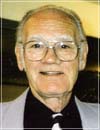
Scott Richardson

The Love Of God

Acts 8:12
Scott Richardson August, 12 2001 Audio
0 Comments

Sermon Transcript

Auto-generated transcript • May contain errors

100%
Turn with me here this morning
to the 8th chapter of the book of Acts. Chapter 8. Verse 12. It says, Anne, when they believed
Philip's preaching, he preached Christ and him crucified. Philip himself believed the testimony
of God concerning the Lord Jesus Christ, preached Christ and him
crucified. he who believes." He preached
the things concerning the kingdom of God, and there was some that
responded to the preaching. I guess, in a sense, everyone
who hears does make a response, one way or the other. yes or
no. And to these people, they believed. And to those that do not believe,
well, that's their response. We don't believe it. But anyhow, they believed the preaching of
Philip and the things concerning the kingdom of God. And in the
name of the Lord Jesus Christ, they were baptized, both men
and women. They wanted to be baptized. They
wanted to identify with Him in whom they believed. And so it's
like the Ethiopian eunuch who Philip preached to. And Philip leaped up into his chariot there,
that Ethiopian, and asked him, he said, Do you understand what
you read? And he said, How can I, except
some man teach me? I was in a place a year or so
ago, maybe, and I noticed a young colored woman, Negro woman, and
she was reading the Bible. And as I passed by her, I said
to her, do you understand what you read? And she was offended. She got offended with me. And I didn't say anything, but
I just walked on. But this eunuch, he never got offended. When Philip said, do you understand
what you're reading there? And he immediately said, how
can I except some man teach me? And Philip started reading from
the same place he was, the book of Isaiah. And the Ethiopian
eunuch said, well, who is this? Is this this man that's doing
the talking, or who is this? And Philip preached unto him
Jesus. And he said, Well, he said, I believe. He
said, here's water. We see a lake of water there. And he said, there's water. What
hinders me from being baptized? Right now. I mean, there wasn't
no talking, no big conversation, extended teaching or pointing
out which way you ought to be baptized and so forth. He just
said, There's water. What does anything hinder me
from being baptized? And Philip said, If thou believest.
Believe what? He didn't say that, but what did he believe? He believed
the preaching of Philip about the Lord Jesus Christ, who He
was and what He did. He said, If thou believest. He said, I believe. And they
were baptized. And here it says that they believed
Philip's preaching, the things concerning the kingdom of God
and the name of Jesus Christ. They were baptized, both men
and women. They didn't have no special day
for it. They had done it right then. And Simon himself believed
also. Simon the Sorcerer. Simon himself
believed also, and when he was baptized, he continued with Philip
and wondered, beholding the miracles and signs which were done. And
when the apostles which were at Jerusalem heard that Samaria
had received the word of They sent unto them Peter and
John, and when they were come down, prayed for them, that they
might receive the Holy Spirit. For as yet he was fallen upon
none of them, only they were baptized in the name of the Lord
Jesus. Then laid their hands on them,
and they received the Holy Spirit. And Simon saw that through the
laying on of the apostles' hands the Holy Spirit was given, he
offered them money, saying, Give me also this power,
that whomsoever I lay hands, he may receive the Holy Spirit. But Peter said unto him, Thy
money perish with thee, because thou hast thought that the gift
of God may be purchased with money. Thou hast neither part
nor lot in this matter, for thy heart is not right in the sight
of God. that was so impressed with what
Philip had to say that he himself believed. And when he was baptized,
he continued with Philip. But Peter told him, Your money
perish with you because thou hast thought that the gift of
God, the gift of God is eternal life in Jesus Christ. The gift
of God may be purchased with money. You don't have part nor
lot in this matter for your heart is not right in the sight of
God. Repent therefore of this wickedness
and pray God if perhaps the thought of thine heart might be forgiven
thee. For I perceive that thou art
in the gall of bitterness and the bond of iniquity." Well,
let me talk to you for just a little bit here this morning on the
love of God. The love of God is free. It can't be bought with money.
It's free. Freer than the air that you breathe. It's a gift of God. Love is free and unmerited. It can't be bought by human merit. If a man gave all he had, and
borrowed all that he could, and put up for auction all the
substance of his house, and he done all this for love, it would
be, or he would be, utterly condemned for his troubles. Now, Simon Magus bid high for
the spirit of love, but the bidder and the price perished together. Peter determined that he was
in the gall of bitterness, and he and his money perish together. So we conclude by what we have
read here, that Simon Midas, who offers to buy, and the Pope
of Rome, who offers to sell the gift of God, are both in the
gall of bitterness and in the bone of If all a man has to offer,
he offers it to buy, and he's told that he cannot
buy it, it's a gift of God. If he's told that he's condemned
for offering to buy it, then I take it, that's the love of
God. is free. If you can't merit it
by human goodness, or if you can't buy it with gold and silver,
then it must be free. It's a gift of God. So the apostle
says, and so the Bible teaches. It also draws this conclusion,
that all of the workmongers who have labored and strived to obtain
have labored and strived in vain. That is, all that have tried through their labor and through
their work to have the eternal life of God, all their labor
is in vain because this great salvation of God is as free as
the air that you breathe. and money will not prevail in
obtaining it. If a man ever has it, it will
be a gift of God, a free gift. The love of God is free, free
for the taking, free for the asking. Some have strived for
it, but none are crowned except they strive lawfully. God's love is free and God's
love is sovereign. Now, the unutterable and inconceivable
love of God Almighty is entirely and absolutely sovereign. It lay entirely in the absolute
and uncontrollable will and mind and purpose of God Almighty. It is sovereign because angels
are excluded. Angels in heaven are excluded
from the free love of God, that is, fallen angels. There was
a rebellion in heaven. A certain number of angels rebelled
against God and were cast out of heaven. And there is no redemption or
salvation for them. They fell. and the sovereignty of God prevails
in that when these Gabriel-like angels came to announce the birth
of the Lord Jesus Christ, they first said to those wise shepherds
that were tending their sheep and looking for the Savior. They said, Unto you this day
is born a Savior. Unto you! They didn't say unto
us, but they said unto you. So the love of Almighty God is
not only free, but it's sovereign in its dispensing of. The angels
of God who are fallen are not favored with God. And then over
here in the book of Malachi, the first chapter, Malachi's
last book of the Old Testament, And I want to read something
to you here again that will help you and I to see together here
that the love of God is free and the love of God is sovereign. In this first verse it says,
The burden of the word of the Lord to Israel by Malachi. I have loved you, saith the Lord. Yet ye say wherein hast thou
loved us? Was not Esau Jacob's brother, saith the Lord? Yet I loved Jacob,
and I hated Esau and laid his mountains and his heritage waste
for the dragons of the wilderness. Was not Esau Jacob's brother? Saith the Lord, Yet I loved Jacob. and I hated Esau. Now, let me
ask you this question in light of that in order to help you
to see and for me to see that the love of God is free and the
love of God is sovereign. When did this love and hatred
take place? He says here, Was not Esau Jacob's
brother? saith the Lord, yet I loved Jacob,
and I hated Esau. When did this love and this hatred
take place? Now, I know that Esau at one
time traded his birthright for a mess of pints. He was hungry. and his brother had something
to eat. And he wanted what his brother
was eating. And he said, I'll give you my
birthright for what you're eating. And so the bargain was struck
and Esau got that mess of pottage and Jacob got the birthright. Now, when did this love and hatred
take place? Was it after Esau had sold his
birthright for a mess of pottage? Was that when it took place?
Was that when God decided that he would hate Esau and love Jacob? Well, no. Over in the book of I believe in the ninth chapter,
somewhere in there. God said about this incident,
He said for the children being not yet born, neither having
done any good or evil. He is talking about Jacob and
Esau. He said he had hated Esau, but
he loved Jacob. And I ask the question, when
did this love and hatred take place? Was it back there in the
Old Testament in time when he traded his birthright for a mess
of pottage? Was that when God said, I'll
hate you for that? No. says God for the children,
these two children, twins, not being yet born, neither having
done good or evil, that the purpose of God, according to election,
might stand, not of works, but of him that calleth, it is written
It is said, rather, unto her, The elder shall serve the younger,
as it is written, Jacob have I loved, and Esau have I hated." Sovereign in his love. Hated Esau while he was in his
mother's womb. having neither done good nor
evil. I know it says over there, after
Esau thought about it a little bit, it says that Esau wept for
it, but got it not, though he sought it carefully with tears. The love of God is free, and
the love of God is soft. Over in the book of Romans, in
the fifth chapter, in the eighth verse, it says, If God commended
his love toward us while we were yet sinners, and reconciled himself
or reconciled us to himself, when we were enemies of God and
without strength. I conclude in light of what I
said that His love must be free, sovereign, and unmerited. You cannot get God's favor or
God's blessing by money or works, human merit. It is free, absolutely
free, and it is absolutely sovereign. He gives it to whom he pleases,
when and where. Well, as I have been thinking
about this, love of God, sovereignty of God, I began to think about when this
all started. And I think that the first step
of the Father's love, or the first step that the Father took
in the path of this immense love for his people was when he entreated
with the Lord Jesus Christ in their behalf and appointed him
to be their head. When he appointed the Lord Jesus
Christ to be the head of his people, the bridegroom of his
church, when he appointed the Lord Jesus to be their husband,
to be their surety, to be their mediator, and to be their father,
and to be their elder brother. But when was this living head
appointed to be their husband and brother? and all that I've
mentioned here. He was appointed, the Bible says,
and ordained before the world was to be their Savior, their
surety, their husband, their brother from everlasting to everlasting. them to the Lord Jesus Christ
before the world was. That was the first step that
the Father took in this great love for Adam's fallen race,
for a number of those in Adam's fallen race. He loved them before
time ever was. and his love was from everlasting
to everlasting, and he sent the Lord Jesus Christ, or in this
contract, in this covenant that he made, he appointed the Lord
Jesus Christ, the second person of the Godhead, he appointed
him to be responsible for these that he chose. responsible for
their salvation and to fulfill all the requirements that God
had required from man. And that happened back before
time ever was. Now, I know that's a great mission. And I know that you can't plumb
the depth of it. It's to be believed. It's the
Word of God. And God doesn't lie. The only
thing that's sure and certain in this world today is the Bible,
the Word of God. That's the only thing that you
can actually 100% depend upon is the Word of God. And that's what the Word of God
says, that He anointed and appointed and sent the Messiah, the Christ. And the Messiah, the Christ of
God, agreed to come. As a matter of fact, God the
Father and God the Son struck hands in perfect agreement. When you shake hands with a man,
you do so by way of agreement to certain things. And God the
Father and God the Son shook hands. And the Son, by doing so, said,
I'll fulfill all your requirements on their behalf. Whatever is
required of them, I'll be responsible for." And they shook hands, and
the Lord Jesus Christ left His Father's house and became a man,
and as a man fulfilled every requirement that God has demanded
out of his people, and he did so in love. Now, that's a great
mystery. But this mystery was exhibited
and displayed there in the second or third chapter
of the book of Genesis when Eve, who was Adam's wife, Eve existed in Adam before she
was extracted from him. You see what I'm talking about?
She was in Adam before she came out of him. She was in Adam. God made Adam out of the dust
of the earth. But he took Eve out of Adam. He took the rib, which was part
of Adam, and he made Eve the woman. So Eve existed in Adam
before she was taken from Adam. Now, the Bible says that our
life is hid in Christ in God. That is, our names were written
down in the Lamb's Book of Life before the world ever was. In
the mind, the will, and the purpose of God, we were sanctified and
set apart before we had been. in the mind and in the purpose
of God. Now, our life is hid with Christ
in God. Now, when Eve was formed by the
hands of God, God brought her to Adam. As soon as she was formed, God
brought her to her husband, Adam. So she was formed, God brought
her to Adam. So what this is saying is that
no man can come to Christ except the Father God, except the Father
bringing. He can't come on his own. Now, Adam also said that a man
shall leave his father and his mother and shall cleave to his
wife. Adam had one wife brought to
him by God Himself and no more. There is this union, you see,
between Christ and His people, Christ and His Church. He's the
head and they are the body. They are one with Him. This free love has been given to them by God
before the world ever was, just as God was in Adam before God
extracted her from Adam. And when He did, He formed her
for Adam's help me, and He brought her to Adam. And no man cometh
unto the Father. except the Father drawing. So
the Lord Jesus Christ then is our sheriff. He comes to represent
us. He comes to do for us what we
could not and would not do for ourselves. He comes to save us
from our sins. He comes to provide a righteousness
for us that would stand us in good favor with God. He brings
us. by the Holy Spirit to the Christ
of God. He is our surety. Now, let me
say again, a surety is one who strikes hands with another person
in solemn agreement. That is what a surety is. He
gives his word that he will fulfill the agreement that is made, and
he binds his honor to the fulfillment of the agreement that they made
when they shake hands. Now, the Son of God, our surety,
assumed total responsibility for the salvation of all of God's
people. He assumed that responsibility. He shook hands with God. He said, I will assume all their
responsibilities. That is, all of God's people,
all the chosen of God, and willingly and freely bind himself wholly
and solely to the saving of their souls. And he promised God faithfully
that he would perform all that God required for their salvation,
struck hands with the Father, and solemnly agreed that he'd
do everything that was needful and necessary, and everything
that God required out of me and out of you and out of every believer
in the Lord Jesus Christ. He said, I'll be responsible
for them. I'll do all that you demand and
require as set forth by your law. I'll do it all. Now, this
is free love and sovereign love. What must I do to be saved? There's
nothing you can do but believe on him whom God has sent. So God's free love then to the
sinner is found in the surety of the sinner who is the Lord
Jesus Christ whom God has sent. He's the covenant head. He's
the head of the covenant. He's the head of the church. Well, let's ask this question
then, in light of that. What is God's righteous way of
making that free love of His available to the sinner? Well,
it's believing the testimony of God concerning Christ's surety. God says to the believing sinner,
He said that you are justified on the account of the doing and
the dying of the Lord Jesus Christ. Well, some people say, well,
I believe, but I'm not sure that I know whether I'm justified
or not. Well, listen to this. What God
hath joined together, let no man put asunder. If you are a
true believer in the Lord Jesus Christ as your sin bearer, your
law keeper, your righteousness and justification, if you believe
that He is that to you, then you are justified. And what God
hath joined together, let no man put asunder. Most people, though, the average
individual, average religious man, average church-going man, his thoughts run in a self-righteous
direction, and he is occupied not with the
surety who is the Lord Jesus Christ, He's not occupied with
what the surety has done. He's not interested in what the
surety has done. Well, if a man's not interested
in what the surety's done, then he'll never be saved, because
salvation is in the surety, and the surety is in Christ. Our salvation is in Christ. He's the surety. So if a man's
not interested in what the surety's done, he'll never be saved. By nature, a man has self-righteous
thoughts concerning himself. Well, they become interested
not with what the Lord Jesus Christ has done, but they become
interested in what they can do. What is it that I can do? What
must I do to be saved? They're interested in doing something,
not interested in what the surety has done. The surety has done
it all. There's no more to be done. He
said, I have finished the work. The work's complete. God rested
on the seventh day because there was nothing more to do. But still
the average man naturally wants to know what he can do to connect
himself with assurance. Well, they say, what can I do
to get myself connected with his work? It's like the Israelites. Here's a man, a Jew, under the
law. He wants to bring a sacrifice
unto God. He's been taught that the lamb,
the firstling of the flock, the bullock, he's been taught that
he's got to bring a living animal unto the priest and that priest
will sacrifice that animal on his behalf. And he'll be saying
that this animal stands for me. I'm a sinner. This is a live
animal, cut his throat, kill him, pour out his blood and sprinkle
it upon the altar for me. He's been taught, you see, that
God is going to send a savior, going to do away with the animal
sacrifices, and he promised that there's going to be one come
who's going to be a man, one that's born of a virgin. and
he'll come and he'll take his people's sins away. But this
is all a picture to this Israelite that he doesn't really have all
the understanding that he ought to have in this matter. Now,
he could take very little comfort from the sacrifice because of
what some of the bystanders were telling him. They were telling
him that he had to make sure whether he laid his hand on the
lamb at the right place. Did he put his hand upon the
sacrifice by way of identification? When he'd done that, he was identifying
with the sacrifice, become part of the sacrifice. Now, some of
them might say, well, now, when you put your hand on the head
of the sacrifice, you must put it between the ears and the back
of the skull of the sacrifice. It's got to be in a specific
place. Or they would say you've got
to put it on the left side of his left ear or on the right
side behind or on above his right ear. He could not take no comfort
in what they said because he would not know it had troubled
him that he wasn't for sure that he put his hand in the right
place or if he put too much weight on the head of the sacrifice.
He just would be unsure about all this and full of doubt and
he would not find any comfort from them. Well, if you and I
was there, we'd tell him that the lamb was everything. We'd
tell him that his touch, the pressure that he placed upon
the head of the lamb was nothing. Where he placed his hand on what
part of his head was nothing. There was no virtue whatsoever
in Him placing His hand upon the Lamb. All of the virtue was
in the Lamb, not in His touch. Do you see what I'm saying? Not because He laid His hands
on the Lamb in the most approved way and fashion, but because
that He had touched the Lamb. It's the Lamb. Behold! John the Baptist said, that the
Lamb of God that taketh away the sin of the world. So however
lightly or however imperfectly he put his hand on that Lamb,
as long as he touched that Lamb, he was saying, Let this Lamb
stand for me. Let him shed his blood in my
place. Let him die in my place." Touch
the land. You remember the woman that had
this disease that could not be cured, and she heard of the Lord
Jesus, and she went to Him, and there was a great crowd of people
there, and she was anxious to get in there and find out what's
going on. crowd kept shoving her away,
and she finally made her way through that crowd and reached
through unsuspectingly to the Lord Jesus, and she touched the
hem of His garment, and immediately she was made whole. It wasn't
where she touched Him or how she touched Him, but WHO SHE
TOUCHED! WHO SHE TOUCHED! And to that
Israelite it was no virtue in His touch, The virtue was in
who he touched, and he touched the Lamb, and he found comfort
there. And that has to do with our believing,
our believing in the Lord Jesus Christ, the Lamb of God, to know
Him. That's eternal life, to know
what must I do to be touched of the Lamb, know the Lamb, the
right Lamb, the Lamb of God, touch Him. Believe in Him. Believe in His touching. I believe
with all my heart. What hinders me then from being
baptized? I believe with my hope. What
do you believe? I believe in Him who is the Lamb of God that
He came to take away my sins. He came to fulfill the law on
my behalf. He came to clothe me in His righteousness. and make me accepted before God
for time and throughout eternity. I believe in Him. I touched Him. That's God's salvation. And it's
free! It's free! No money, no works. Come! Buy without money and without
price, without wine. Just come! Well, it's free love. It's free and it's sovereign.
But whoever wants it can have it. By nature, you and I don't
want it. We've got to be made to want
it. And only God can do that. I can't do it. I can tell you,
but I can't do anything about it. That'll be between you and the
Lord. Well, I'm going to quit there. It's late. And I've watered this
around long enough. Let's stand. We'll meet again
this evening for a few minutes.
Scott Richardson
About Scott Richardson
Scott Richardson (1923-2010) served as pastor of Katy Baptist Church in Fairmont, West Virginia.
Broadcaster:

Comments

0 / 2000 characters
Comments are moderated before appearing.

Be the first to comment!

Joshua

Joshua

Shall we play a game? Ask me about articles, sermons, or theology from our library. I can also help you navigate the site.