Bootstrap
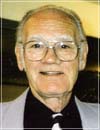
Scott Richardson

Christ, the Surety of the Sheep

Psalm 88
Scott Richardson August, 12 2001 Audio
0 Comments

Sermon Transcript

Auto-generated transcript • May contain errors

100%
depicts the life and sufferings of our Lord Jesus as the God-man. Not every verse or not every
word, but it kind of jumps from one to another. It is, I think,
probably a psalm of David, but it is primarily the words
that describe the life of suffering of the Lord Jesus Christ. O Lord God of my salvation, I
have cried day and night before Thee. Let my prayer come before
Thee, and cline Thy ear unto my cry. For my soul is full of
trouble, and my life draweth nigh unto the grave. I am countered
with them that go down to the pit. I as a man I am as a man
that hath no strength, free from the dead like the slain that
lie in the grave, whom thou rememberest no more, and they are cut off
from thy hand. Thou slayed me in the lowest
pit, in darkness in the deep. Thy wrath layeth hard upon me. Thou afflicted me with all thy
ways. Thou hast put away mine acquaintance
far from me. Thou hast made me an abomination
unto them. I am shut up. I cannot come forth. My eye mourneth by reason of
affliction. Lord, I have called daily upon
thee. I have stretched out my hands
upon thee. Wilt thou show wonders to the
dead? Shall the dead rise and praise
thee? Shall thy lovingkindness be declared
in the grave, or thy faithfulness in destruction? Shall thy wonders
be known in the dark, and thy righteousness in the land of
forgetfulness? But unto thee have I cried, O
Lord, and in the morning shall my prayer prevent thee. Lord, thou castest thou off my
soul. Why castest thou off my soul?
Why hidest thou face from me? I am afflicted and ready to die
for my youth up. While I suffer thy terrors, I
am distracted. A fierce wrath goeth over me. Thy terrors have cut me off.
They came round about me daily like water. They compassed me
about together. Lover and friend, thou hast put
far from me, and mine acquaintance in the darkness. Now, we talked
to you a little bit this morning about the surety the covenant
head. We said that was the Lord Jesus
Christ. So I want to call to your attention
here this evening and help you to remember that it is Christ,
the Son of God, the Lord Jesus, the Messiah. It is Him who is
the surety of the sheep. I told you that God holds him
responsible for all that God requires on our behalf. They struck hands and made an
agreement, and the surety guarantees that he will meet all needs of
the sinner. And we will provide all that
God requires on behalf of the poor sinner. Well, we know that
he requires a perfect righteousness. That is what God requires. And
our surety, the Lord Jesus, provides the believing sinner with this righteousness. And
he freely gives it to him. It's a gift. It's reckoned to
him. It's imputed to him freely without
money or without price. This righteousness that God demands
and God requires. And it's on the basis of this
righteousness that we're accepted before God. From the beginning, God has required
a perfect righteousness. That's the only thing that will
satisfy God is a perfect righteousness, a sinless perfection. Now, our
Lord Jesus promises God and says that He'll be responsible for
those that God has sanctified and set apart and chosen before
the world ever was. He'll be responsible for their
righteousness. He'll establish a righteousness
that will meet the demands of God's holy law, and God will
be pleased and satisfied with that righteousness, and the surety
then will impute that righteousness to the believing sinner. Now,
this righteousness that he wrought or established in his thirty-some
years here on this earth was not a common righteousness. The righteousness of God was
no common righteousness. It was the righteousness of Him,
that's the Lord Jesus Christ, who was both God and man. It was not only the righteousness
of God, but it was, in addition to this, it was the righteousness
of a man, the righteousness of God who become incarnate and
become a man. So it was the righteousness of
God and the righteousness of a man, not a common righteousness. Now in this righteousness that
he wrote, it embodied and displayed or exhibited all uncreated and
all created perfection. All uncreated and created Perfection,
perfection, this righteousness. Now, never had the light been
seen or heard of in heaven or in earth before this took place. It was what we would refer to
as a two-fold perfection. It was creaturehood and creatorship. in one glorious person, that
is our surety, the Lord Jesus Christ. Now, the dignity of that
person, the dignity of the Lord Jesus Christ being God and man
in one person, gave a perfection, a largeness, a vastness, a length,
a breadth, a depth to that righteousness which had never been equaled
and which shall never be equaled as long as the world stands.
It is a righteousness that God is pleased with, the righteousness
of our surety that he undertook in our behalf and established. And it is referred to as the
perfection of perfection. We're talking about a perfect
righteousness, which is, in our language, a sinless perfection. So it is the perfection of perfection. It is the excellency of excellency. It is the holiness of holiness. It is that which God preeminently
delights in. and honors and recognizes. Now, never has the law ever been
kept and honored before like this. Now, there has been certainly
partial righteousness established by law keepers such as that great
man Moses who was a valued servant of God, distinguished, high above
all others, and considered by God as the meekest man upon the
face of the earth. Yet his righteousness did not
come close. It fell short, far short, of
the righteousness that God demands out of even Moses and each one
of us. I can say the righteousness that
our Lord Jesus Christ established and wrought here he himself while
he was here upon this earth, that in his keeping of God's
holy law, it had been so kept by the Lord Jesus and so honored
by the Lord Jesus like it had never been kept and honored before
or since, the Son of God and the Son of Man in one person. Now, He in this two-fold character,
God and man in one person, keeps the Father's law, and in keeping
it, He provides a righteousness so great, so immense, so large,
so full, so complete that it can be shared with others. That
is, it can be imputed to others, such as you and I who are believing
sinners. We have no righteousness of our
own, The only righteousness that we have is the righteousness
provided for us and to us by the God-man, the Lord Jesus Christ,
and it's imputed to us. We have no righteousness. Our
righteousness comes by way of imputation. His righteousness
becomes our righteousness. So this righteousness is so immense
and large and full and complete that it can be shared with others,
you and I, imputed to us. And at the same time, while that
righteousness is imputed to us, God himself is glorified as well
as the sinner who is saved. So the righteousness established
by the Lord Jesus Christ, the end of that righteousness is
that we are saved by that righteousness and God is honored and God is
glorified. Now, how does he do this? Well, it's by the transfer and
the imputation. He transfers the righteousness
of the Lord Jesus Christ to us, and he transfers our sins to
the Lord Jesus Christ. So there's imputation both ways. Righteousness is imputed to us,
transferred to us. Our sins are transferred to the
Lord Jesus Christ. Thereby, the righteousness that
saves us also glorifies and pleases God. This is the only righteousness
that God delights in, is the righteousness wrought by the
Lord Jesus Christ. Now, in that righteousness, that
which makes up part of that righteousness is loving God with all of his
heart and all of his soul, which is the first and great commandment.
Now, never has God been loved in such a way as the Lord Jesus
Christ loved him. The law demands out of us that
we love God with all of our heart. all of our being, all of our
soul. Now, only the Lord Jesus Christ
has accomplished this to its fullness, to satisfy and to please
God. Well, with all divine love and
with all human love, him being the God-man, he loved God, supremely
with divine love because he was God and he was man at the same
time. And divine love and human love,
he was a man. And all that divine love and
all that human love in him is freely transferred to us, imputed
to us, charged to our account. So when we Now, even right now,
when we appear before God, and we are before God in Christ,
we appear before God as though we had never seen Him. We appear
before God as if we had wrought a perfect righteousness ourselves,
which we had not done, but it's imputed to us, charged to us,
and the past is... Drowned in the sea of nothingness
and our sins are all gone and here we are as pure as the whiteness
of a lily in Christ, in Christ, imputation. I said God had never
been so loved as He is loved now by the Lord Jesus, divine
love and human love. Never has God ever been obeyed. like the Lord Jesus Christ obeyed
him. We're demanded, it's required
of God that we be obedient, obedient to God's holy law. But we are
disobedient, just the opposite of obedient. But our Lord Jesus
Christ has been perfectly obedient to the law of God. And I say,
never has God had any obedience rendered unto him on his behalf
by anybody like the Lord Jesus Christ who is God, man, one person. Never has God been so served
and so obeyed as now in the Lord Jesus, obeyed by him who is God, man,
one person. Never had God found one before
who for love to God's holy law was willing to become the victim
that God might be honored. No one has ever loved God like
that except the Lord Jesus Christ. to be the victim of the holy
law, and who was willing, our Lord Jesus Christ was willing
not only to be made under the law, but to subject himself to
death to become the curse of the law, who for love, for the
fallen sinner, all of this, is on the behalf of the people
he represents, which are poor, fallen sinners like you and I.
He was willing to take the sinner's place. He was willing to bear
the sinner's burden, willing to bear the sinner's sins. He was willing to undergo the
sinner's penalty. He was willing to assume the
sinner's curse, he was willing to die the sinner's awful death
of shame, and he was willing to go down in the darkness of
the grave for the sinner. had never experienced such love
and obedience and service as the Lord Jesus Christ rendered
on the behalf of His people. Over there in John chapter 12,
in verse 27, John chapter 12. Our Lord Jesus said this. He said, Now is my soul troubled. What shall I say? Father, save
me from this hour, but for this cause I came into this world. Now is my soul troubled. My soul,
he said, is exceeding sorrowful. Now, that trouble that he experienced
there was on the account of us. It
was our sins that was causing him this trouble. And this was
not given to us, this admonition here where it says, Father, save
me from this hour. Now, this wasn't given to us
as an example of his patience or his endurance and self-sacrifice. These bitter cries that come
from the Lord Jesus Christ here were the cries of a sin bearer. He was suffering for sin, the
just for the unjust. The wrath of God took hold of
him, the vengeance of God against sin. Sin, by way of transfer,
was laid upon the sinless one. And so the wrath and vengeance
and the hatred of God against sin took hold of the Lord Jesus
Christ, the sword. of Jehovah God smote him and
he poured out his soul unto death. And the Bible says he was cut
off from the land of the living. The work is done and the fire
has consumed the sacrifice. Oh, what suffering! He suffered
in his very soul. much less his body. He had soul
suffering as well as body suffering. He had anxieties. He had heavy
and terrible torments. He had pains. He had sorrows. He had distresses arising from
the sense of God's wrath against sin. No wonder he said, My soul,
is trouble. How long did he suffer? How long
did the Lord Jesus Christ have to suffer for our sins? Was it
a matter of minutes? Was it a matter of hours? Was
it a day? How long did he suffer? He suffered
the whole time of his life while he was on this earth. His suffering
began from the manger and did not end until he said, It's finished. He suffered all of his life,
every minute of his life. And especially did he suffer
at the end. He not only suffered for sin, But he felt as a man, as a human,
as being God and man in one person, and distinct as a man, he felt
that God was against him. Well, not that God was against
him. He knew God was against him because
he, as a man, was made sin, who knew no sin, And God treated
him and looked upon him as if he was a sinner. And he felt
the wrath of God against him. And he understood that he was
suffering at the hands of an offended deity, at an angry judge. All this to purchase. For you and I, the favor of God,
everlasting righteousness and everlasting life, all that for
us. His suffering was vicarious.
It was substitution. It was suffering for another,
and this suffering and substitution attached itself to each part
of his life as truly as it attached itself to his death. He assumed
our burden. He assumed our sins. And our sins was a burden. And
he carried that burden on his shoulders. And he assumed it
when he entered the manger. And he laid it aside only at
the cross. From the time he came till the
time he left, he had the burden of our sins upon himself every
day and every night, every minute of every day. For thirty-some
years, his whole life was a life of substitution. Every move that
he made, forward or backward in every word and every thought,
was by way of substitution, doing it in the sinner's stead, providing
the sinner with the righteousness that would stand him in good
stead with God. It's finished. When he said it's
finished, it points back not to just an hour on the cross
or three hours, it points back to his whole life. His whole
life was a life of substitution. Sin bearing work is what he was
doing, bearing our sins. What else was he doing? He was
establishing our righteousness. a perfect righteousness. He was our Noah, building a house
for his family to live in, like Noah built an ark for his house,
a house for his sons and his wife and his daughters-in-law. That's what our Lord was doing
for 33 years. while he was here upon this earth.
And every aspect of his life met a part, or every part of
his life met a need, as we needed it as sinners, every step and
all that he'd done. You see, by the first Adam, we
were made exiles from the paradise of God. by Adam's disobedience
who acted in our behalf as the Lord Jesus Christ, the second
Adam, is acting in our behalf. Adam fell, but the last Adam,
the second Adam, the Lord Jesus Christ, he didn't fall. He establishes that righteousness
for us. The first Adam, we were made
exiles from God and from God's paradise, And the last Adam,
we are brought back and restored into the favor of God and put
back into the paradise of God by the doing and the dying of
the Lord Jesus Christ. He said there in that Psalm 88
that I read to you, he said, I am afflicted and ready to die
from my youth up. From the time I came to the manger
until now, I've been afflicted all the days of my life. My soul
is full of trouble. My life draws nigh the grave. My eyes mourn by reason of affliction. Your terrors have cut me off. Lover and friend, you have put
far from me and my acquaintance in darkness. He himself took
our infirmities and bore our sickness. And it is at the cross
when he was fastened to that pole that he finally done away
with all of them, all of our sins of every every act and thought
and deed that was imperfect, he done away with them, made
an end of them. It is act and by this voluntary giving of his sinless,
perfect self that God saves and justifies sinners like you and
I. The Bible says, by his stripes. Isaiah said it, I believe. Isaiah
said, by his stripes we are healed. The symbol of the brazen serpent
in the Old Testament visibly, outwardly declares this truth. It was the serpent when uplifted. When the serpent was lifted up,
hanging on a pole, it was in that aspect that he healed those
people of their deadly bite. Not after the serpent was taken
down and put in the tabernacle, but it was when the serpent was
lifted up that the people looked and he was healed. It is when
the Lord Jesus Christ is lifted up on the tree that his people
are healed. Look to me, all ye into the earth,
and be ye saved. You see, this business begins
with the look, continues with the look, and it's consummated. Oh, listen, the figure of Him was
the serpent. He became a serpent, a curse
for us. It is to Him who hung on that
tree that we look and we trust, that out of that death life comes
to us. There is no life apart from that
death. He carried his lifelong burden,
which was our sins, to the cross. There laid it down, and it says
that he rested from his labors. Oh, to be entitled! as we are,
to use another name when our own name is worthless, to be
allowed to wear another's garment because my garment and your garment
is torn, tattered, and filthy, to appear before God in another's
person. the person of the beloved Son
of God. This is the summit of all blessings. The sin bearer and I have exchanged
names. We have exchanged roles. We have
exchanged persons. And now I, the believing sinner,
am represented By Him, even my own personality has disappeared. He now appears in the presence
of God for the believing sinner. His excellency and glory is seen
as God looks upon us as His excellencies and His glories were personally
ours, but they're ours in another man's name, the name of the Lord
Jesus Christ. All that makes the Lord Jesus
Christ precious to the Father. I don't know how precious He
is to you and I. I know He's precious to us. He's
not as precious to us as He ought to be. And he's not as precious
to us as he's precious to the Father. But I know this, all
that makes him precious and dear to his Father has been transferred
to the believing sinner. I receive the love and the fellowship
and the glory of God as if I earned it, and I haven't earned it. I am one with the sin bearer. The believing sinner and the
Lord Jesus Christ are one. Every blessing, every blessing
of heaven, every blessing in the mind and the purpose and
the will of God, he has put in the Lord Jesus Christ. And the
believing sinner has been put in Christ. preserved in Christ
and kept in Christ and called in Christ. He is sanctified in
Christ. He is justified in Christ. Every blessing is in the Lord
Jesus Christ. Well, in one sense, the believing
sinner is still a poor, wandering, hopeless, helpless, worthless
sinner, one that's under the wrath of God. But in another
sense, the believing sinner is altogether righteous and shall
be forever altogether righteous. Why? Because of the perfect one,
the Lord Jesus Christ, whose name is Jehovah, my righteousness,
because of the perfect one in whose perfection the believing
sinner appears before God. My soul, he is worthy of our adoration
and our love and our obedience and our service. He who has done
all this for us, He is worthy. I was thinking the other night
when we had the Supper of the Lord, every believer ought to
have gathered around His table. At least every believer who are
members of this church, they should have been here to honor
Him and to remember Him. He has not asked to. He said,
for as often as you do this, you remember my death, you remember
me. And I thought there's a lot of
them that didn't remember him tonight. But you and I remember
him. And as by the grace of God, if
he'd have left us unto ourselves, we'd have been at home. We'd
have been at the picture show or some other place we'd have
been engaged in some amusement or something. My God, He brought
it to our attention. Oh, we're debtors to Him, aren't
we? Debtors to the love of God, free
love, sovereign love, ever-blessing, ever-mercy in the Lord Jesus
Christ. Well, the Lord bless you.
Scott Richardson
About Scott Richardson
Scott Richardson (1923-2010) served as pastor of Katy Baptist Church in Fairmont, West Virginia.
Broadcaster:

Comments

0 / 2000 characters
Comments are moderated before appearing.

Be the first to comment!

Joshua

Joshua

Shall we play a game? Ask me about articles, sermons, or theology from our library. I can also help you navigate the site.