Bootstrap
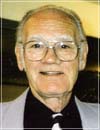
Scott Richardson

The Sympathizing Savior

Hebrews 6:19-20
Scott Richardson April, 1 2001 Audio
0 Comments

Sermon Transcript

Auto-generated transcript • May contain errors

100%
Here in this sixth chapter of
the book of Hebrews, in the last two verses here, well, beginning at verse 18, That by two immutable things,
unchangeable things, God is immutable, cannot change. As much God now as He was in
eternity past, He'll always be. God never changes. Two immutable things in which
it was impossible for God to lie. we might have a strong consolation.
We, the us, his people, who have fled, as reference to the manslayer, who the man killed unwittingly, if
the The head of the axe flew off
of the handle and hit a brother and killed him. The man who had the axe, if he
feared that there would be a misunderstanding about how the thing happened,
he would flee. He would flee as fast as he could
to a city of refuge. If he could make it to the city
of refuge, he was safe. But his pursuer was behind him. And if he would catch him before
he got there, he'd kill him. And so that expression has to
do with that. Who have fled for refuge, the
manslayer, he is fleeing for his life, running as fast as
he could. Not stopping to rest. Didn't
take no time to rest. Didn't sit down in the shade
or look for a drink of water. He had one thing in mind. To
see the gates of that city. And if he could reach the gate
of that city and enter in, he was safe. Safe. which hope we have as an anchor
of the soul. Anchor. Anchor is outside of
us. Righteousness is outside of us.
The blood is outside of us. The forgiveness of sins is outside
of us. Obedience is outside of us, just
as the anchor. If you don't drop the anchor
on the ship, it wouldn't do you no good. You've got to cast the
anchor out in the deep and the anchor sinks to the bottom and
drags along until it fits itself under the rock and that anchor
holds. We have a hope, which hope we
have as an anchor of the soul. both sure and fixed and fast,
outside of ourselves in the deep waters, which entereth into that
within the veil, whether the forerunner is for
us entered, the Lord Jesus, the shepherd of the sheep, the surety
of the covenant, the achiever of redemption, He's entered, even Jesus. He's made a high priest. He's our Mediator. He's our Savior. He saved us
from our sins, provided all the necessities needful to suit and
fit our condition as poor sinners, clothed with His righteousness. went to heaven to the throne
of God and God's honor and glorify Him. And He hasn't left us alone because
He's with us by His Spirit and He ever lives to make known unto God our needs
as sinners. He feels, He's a high priest
who feels our infirmities. He knows about us. When we have
bad times, He feels that. And I'm going to try to tell
you about that in a minute. He has experienced it as a man. So, just take that in. Keep that in mind that even Jesus
made High Priest forever after the order of Melchizedek. And it says in this book of Hebrews
in two or three different places in this chapter as well as the
next that we have a High Priest who is not only a powerful Savior We're glad that He is a powerful
Savior, that He can save us and keep
us saved. But we're also glad this evening that we have a feeling Savior,
a sympathizing Savior. Isn't that wonderful? We have
one who sympathizes a sympathizing Savior, a feeling
Savior, not only the Son of God, but
the Son of Man as well, this high priest. Not just God alone,
but God and man in one person. Now, everyone knows, I think,
that sympathy is one of the sweetest things that's left in this dark
world for you and I. Sympathy. We all like sympathy. A sympathizing person. It's one of the bright seasons
of this dark world. is better than money. Better than money. I'd rather
have your sympathy than I would your money. Sympathize with me
in my times of weariness and heaviness when my heart aches. I'd rather have your sympathy
than your gold and your silver. sympathy at the time of need. We have a feeling Savior, a sympathizing
Savior. Thousands and thousands of people
in this world at any given time who know not the power of feeling. Sympathy has the greatest power. to draw us nigh unto a sympathizing
Savior. Calculated and cold facts and
advice and counseling make us shut up and withdraw ourselves. But genuine sympathy in a day
of need is a great blessing to us in the time of need. We don't
need any sympathy if there's no need. But when there's need, sympathy
is what we want. We want the expression that comes
from a feeling heart to Not cause us to withdraw. Not point a finger
at us and say, well, you must have done this and you must have
done that. We don't want to hear that and don't need to hear that.
That makes us withdraw. We need a feeding heart, a sympathizing
heart. Well, you just give me a friend. A friend, though he has not a
nickel in his pocket, he has no gold in his silver, but that
has always a ready and a sympathizing heart. And you'll find that he's
one. is described by the old riders. Old western cowboys. They talked about a friend. They
said he's such a good friend. He was due. He's due to ride
the river with. He's a friend. Sympathizing friend. He always has a ready and sympathizing
heart. Now, God knows the secrets of
our hearts. Our friends and neighbors might
not know them, but God knows the secrets of men's hearts. He knows the ways by which that
heart is most easily approached. Sometimes our friends and neighbors
don't know that, but God knows that. And he has wisely, in his
wisdom, he has provided that the Savior of the gospel should
be feeling as well as mighty, a sympathizing Savior. I want and I need a Savior who
is able to understand my weakness. has the feeling of my infirmities,
my weakness. I need a Savior that has that
feeling, that knows the feeling of my infirmities. Now, we have
such a high priest, the Lord Jesus Christ, to understand my
infirmities and deal gently with my soul, not harshly and roughly,
because my soul is still tied to this body. And it takes a
special kind of sympathy for my soul being tied to this dying
body that will avail much in my heart. And He is all that. God has provided such a Savior
for man. The Lord Jesus can do this for
me and He can do this for you. And I'll tell you why. For He
was the Son of Man and had flesh and blood like my own. What's his name? Who done this
for you? Well, it was a man called Jesus. Now, he can be of great help
to us for this reason, because he was a man, like I'm a man. Had my Savior been God only, Had my Savior, now listen to
me, been God only, I might, I should say perhaps, I might perhaps
have trusted Him if God only was my Savior. But I never could
go near Him because of fear. I could not go to the God of
that fiery mouth where the flame shot up and the darkness covered
the earth and the earth shook and men feared and quaked at
the awesomeness and the glory and the power of God. Couldn't
go near Him without fear in my heart and my soul. And had my
Savior been a man only, had He been a man only, I might have
loved him, but I never could feel absolutely sure that he
was able to take away my sins, if it was a man only. But blessed be God my Savior. In God, he is God as well as
man. I do not fear him as a man because
he is God as well as man, and he is able, then God and man,
to do away with my sins, to make an end of forever and ever and
ever. They are no more. He has cast
them into the bottomless ocean. He has sent them out in that
wild, howling wilderness where no man lives. And if a man was
sent to find them, they couldn't be found. He is so able, as God
and man in one person, to deliver me, and He's able at the same
time to feel with me, to sympathize with me, sympathizing Savior. Almighty power and the deepest
sympathy in one person, the Lord Jesus Christ, God and man in
one person, the deepest sympathy. has feeling
for my infirmities, my weakness. You and I have to do with the
Lord Jesus Christ, who had a body just like the body you and I
have. It is with Him that we have to do. He was a man upon
the earth like ourselves. He once was a man just like I
am a man. He had arms and fingers. He had
blood in his veins, flesh around his bones. He had a brain intelligent
in the mind. He was a man. He hungered, he
thirsted. He got tired, fatigued, weary. He laid down, he slept hours,
eight hours a night, maybe more at times. He sat down alongside
of the road on a rock. Thirsty as after well when the
woman in Samaria come out to me. sitting down there getting
ready to get him a drink of water. You and I have to do with the
Lord Jesus Christ. He had a body just like you've
got a body and was a man upon this earth just like yourself.
And He well knows all about that world which you and I live in
and struggle in. He knows about it because He
left heaven and come down here and lived for three years. He
can sympathize with you. He has feelings. He's a man,
just like we're humans. That's what He was, apart from
sin. No sin in Him. No sin in Him. The only sin He knew about was
the sin, your sin, my sin, that was transferred from us and laid
on Him. He lived here 33 years on this
earth. Thirty-three years he walked
up and down on this earth as a man. He well knows the contradiction
of sinners. He endured all his life here
on this earth, the contradiction of sinners. He well knows the
art and the cunningness and the deceit of our spiritual enemy,
the devil himself. Our Lord Jesus Christ wrestled
with him in the wilderness. He knows about him. He knows
how crafty, how deceitful, how cunning he is. He knows about
him. And we meet him practically every
time we go anywhere, do anything. He hovers over us to tempt us.
Our Lord sympathizes with us. He knows our weakness. He wrestled
with us. We have one who has drunk from
that bitter cup. The dregs in that cup are sin. Our ungodliness and
unholiness, all in that cup. He drank of that cup and left not a drop for you and
I to drink. He is a man of sorrows. A man of sorrows. You have had
sorrows. Some of you have got sorrows
now. Look back there at the lots. They have sorrows. They have
sorrows. Their daddy died. I look at Daryl and Joyce. They've
had sorrows. Their only daughter died, was
taken away from them in the time of her life of sorrows. Our Lord knows about these sorrows.
He's acquainted with them. That's what I'm saying. He's
acquainted with sorrows. You have trials, you have troubles,
misunderstandings and all that. He knows all about that. He's
a man, lived here 33 years, acquainted with grief. He knows
the heart of a man. He knows our bodily pains. He
knows about Brother Jim Wilson, Loretta's husband, Ida Jean, and all these others
that have pain. He knows about bodily pain. He
knows more about it than we do, really. Old Jim over there happened to
take a couple of pills just every whip stitch to kill the pain,
so he can have just a little bit of comfort. He knows the heart of a man,
and he knows his bodily pains. He knows the difficulties of
a man, for he was a man. And he still is a man and God
in one person. This man wept. He cried. They say if a man weeps,
it's a sign of weakness. It's a sign of strength. It's a sign of compassion. It's
a sign of love. It's a sign of a sympathizing
Savior for a man to weep. Our Lord Jesus Christ wept over
the grave of Lazarus. Jesus wept! And a man, a man
like I'm a man, he wept. Tears flowed down his cheeks. He groaned with anguish at Calvary,
on that hill, Mount Calvary. His sweat and blood, his sorrow, that which lied ahead
of him, caused him such grief and anguish that the blood reversed
itself and came through the pores of his skin. Ah, a suffering Savior! a sympathizing saint, a savior
who cares. We talk about caring for somebody. He cares for his people. He catches their tears in a bottle. Their tears are precious to him. He's a sympathizing saint, feeling
of our infirmity. He groaned with anguish. And
He is no stranger to our trials and troubles or to our sensations. He is acquainted, listen to me
now, He is acquainted with everything that belongs to the natural man,
apart from sin. Are you poor and needy? So was
the Lord Jesus Christ. He said that the foxes have holes
and the birds have nests, but He said the Son of Man doesn't
have a place to lay His head. He sympathizes with Him. He lived
in a despised city of Nazareth. They said, Can any good thing
come out of Nazareth? They said, Well, we believe this
is the promised Messiah. Well, they said he'd come from
Nazareth. Nothing good can come out of that place. And he was buried in a barred
tomb. He had nowhere to lay his head,
no resting place. And when he died at the hands
of wicked They put him in a barred manor, barred a tomb off of a
rich man. He is called a glutton. They abused him. They said he's a glutton. That's a despised thing to say
about anybody. I think one of the worst things
you can say about a man or a woman is they're a glutton. They called him a glutton. They
said he's a glutton and he's a winebibber. They said he was a friend of
publicans and sinners. He was esteemed as a carpenter's
son. They said, well, we know him.
His dad's a carpenter. Couldn't be much. Sometimes a person feels like
he's all alone in this world. All alone, just himself. Our
Lord Jesus Christ was alone in this world. He was alone. He came to his own, but his own
received him not. It wouldn't happen. The priests
and scribes and the Pharisees, all those intelligent people,
they looked him over and they said, we don't want you. Wouldn't
have been anybody that would have had him. Those who did have
him was nothing but fishermen and publicans. They didn't have
him. Well, have you Ever felt like
you've been neglected by those that ought to love you? Our Lord was. He was neglected. He came unto His own. He was
the Messiah sent for Israel, and they wouldn't
have Him. Those that should have received
Him and loved Him, they said, No, we don't want him. We don't want him. He came to be the savior of the lost sheep
of Israel. We don't want him. They rejected
him. The princes of this world would
not acknowledge him. Big shots. We wouldn't have him. We won't own him. We don't believe
him. Well, those few that did have
him and follow him, as I've already said, were nothing but fishermen
and publicans. And even at the last, those that
did follow him, Bob, and owned him, forsook him by himself,
hanging on that tree. Been there for 33 years. All the signs of the prophets
were fulfilled. The Old Testament was fulfilled
in the coming of the Lord Jesus Christ, and there was no excuse. But at the end of his life, they all left. Peter, James,
John, and all the rest of them, they went to their own place. Do you ever feel like you're
standing by yourself? Our Lord stood by you. That's
the reason He could be a feeling, sympathizing Savior, because
everything about you and I, He knows about because He's been
there. And He's a great help, Bob, in
the time of need. They said He's a madman. He's
a winebibber, he's a glutton, he's a madman. And false charges
were laid against him. And he had this seamless robe. And they got down on their knees
and gambled to see who'd win that robe. They took his seamless
robe, the only garment that he had in this world. He had no
suitcase. He didn't have a room with a
wardrobe in it. He had nothing. Nothing. What he had was this garment.
And they took that from him and exposed his pure body under the
wicked eyes of this world. Degraded him. Degraded him. Said, if you be a king, Why don't
you come down? Why don't you pull yourself loose
from those nails and come down from that tree if you are who
you say you are?" They looked upon him and gloated. And then they said that some
even spit on him to show their utter This is what
we think about you. We spit on you. And they spit,
I suspect, in the face of the camp kings and the Lord. He was
condemned as a malefactor. And as such, he died on that
tree. as a malefactor, as a bad man,
as one who had deceived the people. Well, that's Him who's our High
Priest, whoever lives for us. Wonderful, wonderful Savior,
isn't He? Well, I'll tell you this, the storms of affliction And these ups and downs that
we have are very useful because they discover and reveal those
who have real faith and those that just make a profession and
have no faith at all. But we do not condemn everybody that we see, that in their weakness we might
see a spot of corruption and say, well, they surely are not
one of his because of, see what they said or what they've done. It's unwise to do that. David had some spots of corruption
on him. Abraham had some spots of corruption
on him. But there were no greater saints
of God than David and Abraham and Moses and these
fellows. Someone told me that there were
spots on the sun, but it does not stifle the brightness
of the sun. The sun still shines. Someone
said one time that there's a lot of flaws in diamonds, but yet
they're priceless. We have him. to help us through
this. We're going. We're on our way. Most of us have been on our way
for a long time. Let there be no weeping for you and I. Weep if you will, but don't weep
because you think we went to the wrong place. He who hath begun this work will
finish this work. And we're in the process. This whittling on us is going
to be finished one of these days. We're going to go out of this
world and be with him forever. And time is short. And I advise anybody and everybody
here, flee to him while there is yet time. Because there will
be a time when time will be no more. As I said to you this morning,
I can't promise a follower of the Lord Jesus Christ, that all
His days will be bright? I can't make a promise like that,
just the opposite. Your troubles have only begun
when you become a follower of the Lamb. That's when your troubles
start. With much tribulation shall we
enter into the Kingdom of Heaven. Well, nothing else. Remember that we have a sympathizing
Savior. He can sympathize with us.
Scott Richardson
About Scott Richardson
Scott Richardson (1923-2010) served as pastor of Katy Baptist Church in Fairmont, West Virginia.
Broadcaster:

Comments

0 / 2000 characters
Comments are moderated before appearing.

Be the first to comment!

Joshua

Joshua

Shall we play a game? Ask me about articles, sermons, or theology from our library. I can also help you navigate the site.