Bootstrap
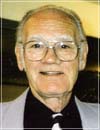
Scott Richardson

The Just And The Justifier

Romans 3:19
Scott Richardson August, 27 2000 Audio
0 Comments

Sermon Transcript

Auto-generated transcript • May contain errors

100%
I'll read a few verses here. Beginning there at verse 19. It says, Now we know that whatsoever that what thing
soever the law saith, it saith to them who are under the law,
that every mouth may be stopped, and the world may become guilty
before God. Therefore, by the deeds of the
law, works of the law, the keeping of the law, shall no flesh be justified in
his sight. For by the law is the knowledge
of sin. But now the righteousness of
God without the law is manifested, being witnessed by the law and
the prophets. even the righteousness of God
which is by faith of Jesus Christ unto all and upon all them that
believe. For there is no difference for
all have sinned and come short of the glory of God. being justified
freely by His grace through the redemption that is in Christ
Jesus, whom God hath set forth to be a propitiation through
faith in His blood, to declare His righteousness for the remissions
of sins that are passed through the forbearance of God. To declare,
I say at this time, his righteousness, that he might be just, and the
justifier of him which believeth in Jesus. That he might be just. and the justifier of him that
believeth in Jesus. Let's talk about that a little
bit here this morning. And I propose to you at the outset
this question. How may I, a sinner, draw near
to him in whom there is no sin." Great question, isn't it? How may our sinner draw near
to Him in whom there is no sin and look upon His face in peace? A great question! which at some
time or other every one of us has asked. This is one of the awful problems
which man in every age has been attempting to solve. in the past and in the present
and certainly in the future. Man in every age has been attempting
to answer this question, untie this knot, and solve this problem. He has set forth many elaborate
solutions. to this problem, and all these
solutions that he has come up with have failed. All have failed. You see, man's
thoughts of himself are too high. His opinions of himself are far
too high, and his thoughts of God are far too low. And as long as that is the basis
for his pursuance to the answer to the question, the question
will never be answered for him. God is too small, and he's too
big, man. Man has always treated sin as
a misfortune, not a crime, but sin is a crime against God. We know what a crime is against
society. We detect real quick what a crime is against society. And when a man commits a crime
against society, he's got to face the judge and the jury. But man does not consider sin
a crime against God. not as guilt. They consider it as a case for
the doctor, not a case for the judge. But we've got to remember
that God is a Father, but He's also a judge. And shall the judge give way
to the Father? or the father give way to the
judge. It is a problem that has to be
solved. And as I understand it, only
God can solve the problem. In the book of Ezekiel, chapter
18, beginning here at verse 23, Ezekiel 18 and verse 23. Have I any pleasure at all that
the wicked should die? God speaking to the prophet Ezekiel. Have I any pleasure at all that
the wicked should die? saith the Lord God. and not that
he should return from his ways and live? But when the righteous
turneth away from his righteousness, and committeth iniquity, and
doeth according to all the abominations that the wicked man doeth, shall
he live? All his righteousness that he
hath done shall not be mentioned. in his trespass that he hath
trespassed, and in his sin that he hath sinned, in them shall
he die. Yet ye say the way of the Lord
is not equal. Hear now, O house of Israel,
is not my way equal, or not your ways unequal? When a righteous
man turneth from his righteousness, and committeth iniquity, and
die in them. For his iniquity that he hath
done shall he die. Again, when the wicked man turneth
away from his wickedness that he hath committed, and doeth
that which is lawful and right, he shall save his soul alive. Because he considereth and turneth
away from all his transgressions, that he hath committed, he shall
surely live, he shall not die. Yet saith the house of Israel,
the way of the Lord is not equal. O house of Israel, are not my
ways equal? Are not your ways unequal? Therefore I will judge you, O
house of Israel. Every one according to his ways,
saith the Lord God. Repent and turn yourselves from
all your transgressions, so iniquity shall not be your ruin. Cast
away from you all your transgressions, whereby ye have transgressed,
and make you a new heart and a new spirit. For why will ye
die? O HOUSE OF ISRAEL, FOR I HAVE
NO PLEASURE IN THE DEATH OF HIM THAT DIETH, SAITH THE LORD GOD. WHEREFORE, TURN YOURSELVES, AND
LIVE YE." Now, God has said in this third chapter,
of the book of Romans, that all have sinned and come short of
the glory of God, all. He said not a single soul is
omitted from this charge. What then are we better than
they, no and no wise? For we have before proved, both
Jew and Gentile, that they are all under sin. As it is written, there is none
righteous, no, not one. There is none that understand
it. There is none that seek it after
God. They are all gone out of the
way. together become unprofitable,
there is none that doeth good, no, not one. The way of peace
they have not known, and there is no fear of God before their
eyes. And we know that whatsoever the
law saith, it saith to them that are under the law. And every
man, woman, boy, or girl, outside of the Lord Jesus Christ is under
the law. And the law in its severity commands
that it be fulfilled and kept. Every jot and every tittle of
God's holy law must be kept if we are ever to be at peace
with God. We know that we are guilty before
God, but we have to be made, by God, by his grace, we have to be made
to admit our guilt before him. We are made to see that we have
nothing to plead. for God in ourselves. And so
he says that our mouths must be stopped. We've got nothing
to plead. But there is a way of reconciliation. Now, God has got to have sinless perfection. In order
to satisfy God, in order for me to satisfy God, I have got
to keep the whole law. If I offend in any part of the
whole law, it is charged to me that I have offended in all of
it. Now, where can I find this sinless
perfection. Now, God will not compromise
His law. He will not lower His law in
order that I might attain to it. His law cannot be made void. His law is perfect. His law is
pure. And His law must be kept. No man will ever see the face
of God and enjoy the peace of God until the law of God is fulfilled
in him. He's got to have that fulfilled. God must be just. He must honor
his law. He can't go back on his law.
The law has been established. God can't compromise. The law
must be fulfilled. The soul that sinneth shall surely
die. All of us are sinners. There
is no exception. He looked down from the battlements
of heaven, none that doeth good, not a single
solitary We are all sinners. We have sinned against God. We
have broken his law. His law demands that we love
him with all of our hearts and all of our souls, and we haven't
done that. We haven't even made an attempt
to do it. We have broken the law. We stand
guilty before God as charged. He has charged us with being
guilty. We must agree to the charge. Say, Lord, I'm guilty. I'm guilty
as you charge me. I've broken the law. I have nothing
to offer in myself. I ask for mercy. Where can mercy
be found, Father? God must be just. He's got to
punish you. God demands the fulfillment of that broken
law by way of punishment. He's got to do it. So, God is
a Father, but He is no less a Judge. give away to the father, and
the father give away to the judge. God loves the sinner, he said,
as I read to you. God hath no pleasure in the death
of the sinner. God loves the sinner and hates
the sin, but God has sworn that he has no pleasure in the death
of the wicked. God has sworn that. He made a note that he has no
pleasure. Now, which of the two oaths shall
be kept? Shall one give away to the other? No. The law of God and the love
of God must be reconciled, or the great Christian as to the
sinner's relationship with the Holy God must remain unanswered
if law and love is not reconciled. One cannot give away to the other. Both must stand. There can be no comfort. Only
God can deal with sin, and God has introduced a principle of
substitution as the principle on which He means to deal with
us as sinners. Now, that scene over there in
the third chapter of the book of Genesis, that God is going
to deal with His people, His people that have sinned against
Him, and God who loves His people,
but He cannot reconcile them unless their sin is made an end
of and they have a righteousness that meets all the requirements
of heaven. Now, over there in the book of
Genesis in that third chapter, it says that God clothed our
first parents, Adam and Eve. And he clothed them with that
which passed through death. He got the animals, the innocent
animals, lambs, I suppose, and he took from them their wool,
their hide. He killed them. and made coats
of skin out of these animals. And he clothed them with the
skins of these animals. Now, he did this in preference to
the fig leaves that Adam and Eve clothed themselves with. This shows the element of substitution. As that on which God had begun
to act in his treatment of fallen man, clothed them with the victims
that went through death, that shed their blood. He clothed them with their skins. They clothed themselves with
fig leaves of their own making. Now, Abel, his sacrifice revealed
the same truth as contrasted with Cain's. For that which made
Abel accepted and himself accepted was the death of the victim as
being substituted for himself. Cain and Abel, the first two, first two human beings born of
woman. Abel took a lamb and offered
that lamb symbolically in his stead. The lamb was a symbol
of the Lord Jesus Christ and he offered that lamb and said,
this lamb stands for me. This bloodshed of this lamb stands
for me. His brother came. He took the best that he could
produce, the fruit of the garden, the fruit of the field, the fruit
of his labor. He took that and offered it unto
God. And that which rendered his sacrifice
hateful and himself rejected was the absence of death and
blood. Death and blood was seen in Abel's
sacrifice but was not seen in Cain's sacrifice. Abel's sacrifice
was accepted by God and he himself accepted. Cain's hateful sacrifice
was rejected and he was rejected. The slain firstling of the flock
was accepted by God as symbolically Abel's substitute. Abel's substitute
laid on the altar until he should come, that is, the woman's seed. Look there with me in Galatians
chapter 4 and let me read this. and see if we can make some sense
out of it. Galatians chapter 4 and verses 4 and 5. It says, well, let me read the
third verse, Even so, we, when we were children,
were in bondage under the elements of the world. But when the fullness of time
was come, remember I said that, Abel's substitute laid on the
altar until he should come, the Lord
Jesus Christ. That's the woman seen. Here it
says, And when the fulness of the time was come, God sent forth
his Son in the fulness of time, made of a woman, the woman seen. I said his sacrifice laid upon
the altar until he should come. This lamb was symbolically the
Lord Jesus Christ. When the fullness of time was
come, God sent forth his Son made of a woman, the woman seen
and made under the law. What for? To redeem them that
were under the law that we might receive the adoptions of sons. And because ye are sons, God
hath sent forth the Spirit of his Son into your hearts, crying,
Abba, Father. Wherefore thou art no more a
servant, but a son. And if a son, then an heir of
God through Jesus Christ." Well, made of a woman to redeem them
that were made under the law. that we might receive the adoption
of sons. Now, this same principle of substitution
that our Lord said, this is how I'm going to deal with men, is
through the principle of substitution, is not only found in Genesis
chapter 3, It's also found in Abel and Cain's
sacrifices, and it's also found in the first part of the Bible
in the book of Genesis. It's brought out in the Passover
where the Lamb's blood was shed. Now, the Lamb's blood was painted
or plastered on the side posts of the door and the overhead
mantel of the door. They took the lamb. Every representative
of every family was to take a lamb and to kill the lamb and take
the blood of the lamb and put it on the side post and the overhead
post of the door. And when this was painted on
the door of every family's hut, it was to be there for their
safety, it was to be their shield, it was to be their buckler. Now,
they, inside the house, was these father and son, mother and daughter,
all huddled in that house. And there may have been much
trembling in their hearts when they thought how such a little
portion of blood painted on the outside of the house that they were seeing. would or could provide them with
safety. They couldn't see the blood.
The blood was on the outside and they were on the inside and
they thought, how can this little bit of blood be so efficacious,
so valuable, that it could protect and secure us. Well, they could not see the blood, but they could be content on
knowing that God seen the blood. Because He said, when I see the
blood, I will pass over you." Now, the blood is the symbol
of substitution. It was on the lintel, and that
was enough. They did not see it or feel it,
but they knew it was there, and that satisfied them. God saw it, and that was better
than them seeing it. Because He said, When I see the
blood, I'll pass over you. They were safe, and they knew
they were safe. They had no doubt about their
safety. They could feast on the Lamb,
They were told to take the blood and put it on the doorposts and
then take the carcass of the lamb and roast it and bring it
inside the hut and eat the lamb with bitter herbs. And so they
could eat this lamb and the bitter herbs with a joy of God in their
hearts that they were safe. They could sing, I believe, with
anticipation, if God be for us, who could be against us? All
who are under the blood are safe. All who are not under or under
the wrath of God. They were reconciled, they were
accepted, they were made complete, and they enjoyed God's favor,
feasting at His table on that which He Himself fed. Oh, that which was upon the altar,
that Lamb. was symbolic to the coming of
the Lord Jesus Christ who would shed his blood. For without the
shedding of blood there is no remission of sins. So God then
deals with us on this principle of transfer. He transfers our
sins, and lays them on the sinless one. He lays our sins on the
Lamb of God. He is called the Lamb of God,
a lamb slain before the foundation of the world. He takes the sins
of his people in order for God to be just and justifier, in
order for him to be Father, in order for him to be Judge, He must be satisfied, and the
only thing that can satisfy him is the blood and the righteousness
of the Lord Jesus Christ. So he takes our sins, all of
our sins, our known sins and our unknown sins, our sins of
ignorance, our sins of word, our sins of thought, our sins
of deed, He takes all of our sin from the time we came until
the time we leave. All of our sins are taken. All
of the sins of all of his people are taken and transferred, transferred
and placed on the Son of God who knew no sin. that we might become the righteousness
of God in him. The transfer. Our sins transferred
to him, his righteousness transferred to us. Enabling God to love the sinner and to hate
his sin and look upon him with compassion.
and save him on the principle of substitution. The Lamb of
God dying in his place. Throughout the whole of the New
Testament and Old Testament as well, it talks about the substitute. It talks about in the New Testament
Christ died for our sins, was buried and rose again. Christ died! who had no sins,
but he died for our sins because our sins were transferred to
him, enabling God to be just and justifier of him that believeth
in Jesus. Oh, listen to me now. God himself points to the sacrifice
of the Lord Jesus Christ This righteousness that we must have
is sinless perfection. That's what we must have. In
order to satisfy God, we must have sinless perfection. Sinless perfection can only be
found in the substitute. God, when our Savior, the Lord
Jesus, died, suffered from the time he came
until the consummation of his sufferings on the tree, God looks
at him and his perfectness, his sinless perfection, and punishes
him in our stead. That satisfies God. And God looks
upon him and says, It is enough! That's what God says. It's enough! I'm satisfied. And when the poor
sinner is enlightened by the Spirit
of the living God, he looks upon the Lord Jesus Christ and he
says, it's enough for me. So God's satisfied. He's made
no compromise. He's punished sin and saved the
sinner. And the only way he can do it
is through the principle of substitution. No other way. Just recently I was listening
to a fellow on the radio. I turned the radio on Here comes
this fellow along talking about religion. This is what he said,
and this is not unique. It is the standard for most religious
people of our day. He said that he had this dear
friend who was a preacher, and he said, We loved him so. Don't know how we're going to
get along without him. He said, well, just the other
day I talked to one of the sisters and she said, I just miss brother
so-and-so so much. I miss him so much. Oh, I wish
I could bring him back. Bring him back from heaven. Bring him back down here so we
could fellowship with him again. I wish we could do that. I would
do it if I could. And the preacher told her, he
said, Brother so-and-so has worked all his life to get there. God does not save sinners. on the work that they do. He
saved sinners because his Son magnified, honored, and fulfilled
that law in their behalf and established a righteousness that
meets the demands of God's holiness and freely imputed to whom? To the man, to the woman, to
the boy, to the girl that believes. That's who becomes the recipient
of it. The man that believes. Now what
is it this morning that you believe? Do you believe that you can go
to heaven by your own efforts? Do you believe that you'll You
clothe yourself in your own righteousness and be accepted. No, the second
man, born of woman, Cain, he tried that and God said your
sacrifice is a hateful sacrifice, your sacrifice is not accepted
but rejected and yourself are rejected because you are trying
to get to heaven on your own good deeds. And this poor woman
who wanted to bring him back, he said that the preacher had
spent all of his life trying to get there. And that's what
most people are doing this morning. They spend all their life trying
to get there. And they're not an inch higher
now than what they was when they started, if they're 90 years
old. The only way to go there is through the sacrifice, the
doing, the dying of the Lord Jesus Christ. It is to own Him,
to claim Him, to receive Him, to believe in Him, to trust Him,
to cling to Him, stick to Him, come to Him. Man comes to Him. Him that cometh to me, He said,
I will in no wise cast out man that comes. Well, all right,
Lord, help us. Give us some understanding.
Scott Richardson
About Scott Richardson
Scott Richardson (1923-2010) served as pastor of Katy Baptist Church in Fairmont, West Virginia.
Broadcaster:

Comments

0 / 2000 characters
Comments are moderated before appearing.

Be the first to comment!

Joshua

Joshua

Shall we play a game? Ask me about articles, sermons, or theology from our library. I can also help you navigate the site.