Bootstrap
Scott Richardson

The Love Of God

1 John 3:1
Scott Richardson August, 6 2000 Audio
0 Comments

Sermon Transcript

Auto-generated transcript • May contain errors

100%
something important found in
the third chapter of the book of 1 John, chapter 3. I'll read a few verses here.
We'll begin with verse 1. We have said many times that
the love of God is beyond human language as to describing it. It passes knowledge, the everlasting
love of God. Why would God love you and I? We do not have a single quality
about us that would entice him to look in our direction. Paul concluded in that third
chapter of the book of Romans that all have sinned and come
short of the glory of God. And God himself said there In
the days of Noah, he said that he looked down from the pillars
of heaven to see if there was any that doeth good. And he said he couldn't find
a single solitary soul among the civilization of human beings
that doeth good and sinneth not, not one. We were born in rebellion against
God. Our lives depict that rebellion. Why would God look down upon
us and pity us and have mercy upon
us and love us when there is nothing lovable in us or about
us? He said, Behold what manner What
manner of love beyond description, unutterable, the love of God. It's like an ocean with no bottom. What manner of love the Father
hath bestowed upon us that we should be called as sons of God.
There are some in Adam's fallen race that are the sons and daughters
of God. And it's all because of the everlasting,
unchangeable love of God. Why would he love us? Nothing in us that's attractive
to us. What manner of love the Father
hath bestowed upon us, that we should be called the sons of
God? Wherefore the world knoweth us
not, because it knew him not. Beloved, now are we the sons
of God, and it doth not yet appear what we shall be. But we know
that when he shall appear, when He shall appear again. He's already
appeared once. But He came and consented to
become a man, and as man and God in one person, did perfectly
the will of God, which was never done before or since. He's the only man that has ever done completely
and perfectly the will of God. He came to do the will of God.
He said, Oh, in the volume of the book, I come to do thy will,
O God. And in doing the will of God,
well, let me, before I say that, say that He came to undo what
the first Adam did. He represented us. We came from
His loins. God made Him out of the dust
of the earth and gave Him a wife from His rib, made Him a helpmate,
a woman, called her Eve, the mother of all living. But Adam
represented us. God made Adam Himself out of
the dust of the earth. And he may put him as the appointed
head of the human race. Yet unborn, he is their head. And he failed, he failed, he
failed. He said, if you eat of the fruit,
you'll surely die. I don't know how long he lived,
but he ate of the fruit. And when he ate of the fruit,
he fell. And every human being unborn
as of that time fell with him. Sinners by choice, by nature,
and by practice. But God promised a Redeemer a
Messiah and sent the Lord Jesus, the second person of the Trinity,
the second of the Trinity of the persons of God, the Lord
Jesus Christ, the Son of God, agreed to come and undo what the first Adam
did. He came to do the will of God.
His name shall be called Jesus, for He shall save His people
from their sins. He comes to save His people, the people that
God gave Him before the world ever was, those that were set
apart and sanctified and chose in Christ before the world began. The Lord Jesus Christ comes to
get them, to save them, to meet all the demands and to provide
for all our needs as sinners in himself. All right? He appeared once, but he is talking
about the second appearing here now. He says, We are the sons
of God by faith in Christ Jesus, by trusting in Christ and his
righteousness alone. The hope of our salvation is
his righteousness. is His person, is His work. It
doth not appear what we shall be, but we know that when He
shall appear, that is, when He comes again. He came once and
He left. He finished His work. He did
the will of God completely for the sins of His people. established
a righteousness that met the demands of justice
and the demands of the holy law, was obedient to the law, and
bore the debt and the punishment that was due us as sinners in
himself. And he went back, and before
he left, he said, I'll come again. and I will receive you unto myself,
that where I am, there you are going to be. So when he appears
now, John says, when he appears, we know that when he shall appear
this second time, we shall be like him. We are going to be
just like the Lord Jesus Christ. For we shall see him as he is. Now he says, every man that has
this hope in him, purifies himself even as he is pure. Now, the hope which Paul speaks
of right here is the certain assurance of final glory, the
certain assurance of heaven and all of its glory, the certain
assurance. Remember, I talked about hope
here the other Sunday, I believe. Faith and hope. Now abideth. These three graces, he said,
now abideth faith, hope, and charity. The greatest of these
is charity, the love of God. Love of God manifested in the
Lord Jesus Christ on the tree. He who had no sin but was made
sin in order that we might be made the righteousness of God
in him. That's the love of God. That
Christ, the sinless one, the Lamb of God, the darling of the
bosom of God, God himself would leave his glory, come down here
and become a man and suffer and die for me, bleed for me, agonize
pain and agony. For me, that love of God, when
I seen that, badly, that was shed abroad in my heart and that
drew me to Him. I said, I must love Him. Love
Him for doing what He's done for me. Well, anyhow, anyhow,
every man that has this hope, hope, the certainty of going
to heaven when you die, every man that has this hope, Every
man doesn't have this hope. There's multiplied millions and
millions and millions of people alive on Earth, on this planet,
that does not have this hope. It's the certainty, the certain
assurance of final glory, based, grounded, firm and deep, on the
imputed righteousness of the Lord Jesus Christ. Every person who has this specific
hope, this specific hope, now abideth faith, hope, and charity. that these graces, twin graces,
faith and hope. Hope cannot exist without faith. Without faith, there's no hope. And without hope, or without
faith, there's no hope. Without hope, there's no faith.
They can't exist. They are twins. They stay together.
hope, hope. Every person that has this specific
hope, that is the certain assurance of final glory based upon the
imputed righteousness of the Lord Jesus Christ, not based
upon what you do or what you don't do. Someone tried to tell me here
recently, or somehow I got a hold of this, that the definition
of the gospel of the Lord Jesus Christ was found in the book
of I Corinthians where it says, and Christ died for our sins. Let me see if I can find that
real quick. They said, now this is what the
gospel is. Where's that at, Pat? Do you
know? Where? No. It's in 1 Corinthians here. I'll find it. over in the 11th chapter, I believe
it is. I'll read it to you. No, that's not it either. Chapter
15. Yes, chapter 15, verse 1. Moreover,
brethren, I declare unto you the gospel which I preached unto
you, which also ye have received, wherein ye stand, by which also
ye are saved, if ye keep in memory what I have preached unto you,
unless ye have believed in vain." Now, here is what they say the
gospel is. Now, this is truth. What I am reading is truth. It
is the truth of God. For I delivered unto you first
of all that which I received, how that Christ died for our
sins according to the Scriptures, and He was buried and rose again
the third day according to the Scriptures. Christ died for our
sins, that's right. But just to say, tell someone,
just point somebody out and say, Christ died for your sins. Well,
how do you know he died for his sins? How do you know that he can believe
on the Lord Jesus Christ because you said Christ died for our
sins? Why did he die for our sins?
He died for our sins in order that God might be just and justifier
of him that believeth in Jesus. So therefore, you're going to
have to tell people that God demands sinless perfection. And if you haven't got sinless
perfection, then you're a gone Jesse. Then you're going to have
to tell them that sinless perfection is only found in the sinless
one, the Lamb of God, the Lord Jesus Christ. You're going to
have to tell them why he died in the stead and place of the
sinner. Do you see what I'm talking about?
I'm saying the hope which Paul speaks of here that purifies
a man is the hope and the assurance the certainty of final glory
based on the imputed righteousness of the Lord Jesus Christ. Blessed
is the man to whom the Lord will not impute sin. He doesn't impute
sin to that man. That man sins to the person of
the Lord Jesus Christ and he imputes than the righteousness
of the Lord Jesus Christ to the sinner. Every person who has this specific
hope fixed in him, Christ alone, trusting in him, Christ alone,
that person then gives evidence of being a child of God, one
who has been adopted into the family of God. He purifies himself
even as Christ is pure. How does he do that? By trusting
in Christ alone, by trusting in his blood and righteousness
alone. His blood cleanses us from the
guilt and the defilement of sin, only his blood and righteousness. We sing that hymn. My hope, specific
hope, my hope is built on nothing less than Jesus' blood and righteousness. He that has This specific hope
purifies himself even as he is pure. See what I'm saying? Holding up your hand and saying,
I believe in Jesus, is not where it's at. Unless you are saying
that you believe in Jesus' blood and righteousness alone, that's
your salvation. But to leave people thinking
that, well, I had some sort of feeling, and
someone said, well, Christ will take away that feeling, or why
don't you turn to Christ? You say, oh, yes, I think I'll
jump from this side to this side. That's not salvation. That's
all in your head. That's all in your feeling, your
emotion. That's not it. is this hope based on the certainty
of final glory, based on the righteousness of the Lord Jesus
Christ freely imputed to you, that my righteousness before
God is the righteousness of the Lord Jesus Christ freely charged
to my account, reckoned to my account. That's where it's at. That's what Paul's talking about.
Throughout all of the epistles of Paul, that's all he talks
about, is the righteousness of God in Christ. There in the book
of 2 Corinthians, he says, I think 2 Corinthians chapter
5, I believe, says this, to wit, Verse 19,
chapter 5, "...to wit, that God was in Christ." God was in Christ. He was in Christ in the Incarnation. He was in Christ on the cross. God was in Christ, reconciling
the world unto Himself. Does that mean every single solitary
member of Adam's human race? No! If it does, then it was a
failure. because he has not reconciled
every man unto God. He's not trying to do that. That's
not the intent or the purpose or the will of God to save every
member of Adam's human race. His intent is to save sinners,
bona fide, honest to God, sinners that can't save themselves and
give up on trying to save themselves. and cast themselves at the feet
of Jesus Christ and said, You alone can save me, based on your
righteousness. That's what he's talking about.
To wit that God was in Christ, reconciling the world unto himself.
Listen to this, not impugning. You see that word? Not impugning. Not reckoning to them. Not charging to them is what
it means. Not imputing their trespasses
unto them. Who's them? Those that have hope,
a good hope in Him. Hope of certain final glory in Christ and Christ
alone. All right? not imputing their
trespasses unto them, and hath committed unto us the word of
reconciliation." That's Paul. Paul said he's committed unto
us, the churches, and Paul in particular, the word of reconciliation,
the gospel. You're reconciled unto God by
and through the gospel. What is the gospel? The gospel
is the justifying righteousness of the Lord Jesus Christ reckoned
to your account in His person, in His Word. We are ambassadors
for Christ, as though God did beseech you by us, as if God
spoke to you by us. We pray you in Christ's stead,
be you reconciled to God. Now listen to this, For he, that's
God, hath made him, that's the Lord Jesus Christ, for God hath
made Christ to be sin for us. He who knew no sin. God made His beloved Son to be
sin for us. He took our sins and laid them
on Him. Our guilt and our shame laid
them on the Lord Jesus Christ. He hath made him to be sin for
us by representation who knew no sin. He didn't have any sin
of his own. He never committed the sins that
were laid on him. He had no part in the sin that
was laid on him. It was the sin of the believer. His sins were laid on Christ. Christ was made a sinner by faith. representation by being our surety,
who knew no sin, that we might be made the righteousness of
God. And that's what God demands out
of us, is sinless perfection. And we can't give it, we can't
buy it, we can't conjure it up, It's got to come from someplace
else, and that someplace else is in a somebody, and that somebody
is God's own Son. God so loved these sinners that
He's going to reconcile unto Himself, that He's going to take
their sins and put them on His sinless Son, and His sinless
Son going to pay what they're due, and His sinless Son is going
to freely impute His righteousness to us, and we're going to stand
in Him alone forever and ever and ever and ever, praising Him
throughout the ages to come for the righteousness that He wrought
in Himself and by Himself and freely reckoned it. charged it to our account that
we might be made the righteousness of God in Him. See, you can say,
well, Christ died according to the Scriptures, but what are
you saying? You're not telling people why He died and why He
must die in order that justice might be satisfied. That's what
I'm saying, and that's all I'm saying. Not trying to say any
more than that. All right, let's go back again
now. I said every person that has
this specific hope fixed in him and resting in him, he gives
evidence of being a child of God. One who has been adopted,
into God's family. He purifies himself even as Christ
is pure. How does he do this? He does
this by trusting in Christ alone, by trusting that Christ's blood
and righteousness alone removes all of the guilt and defilement
of sin. similar to the language that
the Apostle Paul uses here in the ninth chapter of the book
of Hebrews. I will read it to you. Hebrews
chapter 9. Paul says this, verse 14. Listen to what he says. Four
by one offering. Well, let me Go back a verse
or two there. Verse 12, we'll find out about
the one offering. Whose offering is it? Verse 12,
it says, By this man, this man, who appeared once on the scene,
who came forth from the virgin's womb, who was none other than
God manifest in the flesh, who was the second person of the
trinity of his persons, God. The Lord Jesus, who said, who
made himself of no reputation, no reputation. The Son of God
said He made Himself of no reputation. He said, I'm Mr. Nobody. And
at the same time, in the same sentence, He said He thought
it not robbery. to be equal with God. He was
God. Now it says, But this man, the
man Christ Jesus, God, man, one person, after he had offered
one, offered his sinless self one sacrifice for sins forever,
forever, from henceforth stand there expecting
till his enemies be made his footstool. You see, everybody
doesn't love God, much to the surprise of a whole lot of people. Everybody loves Jesus, they say,
but that's not what God says. He said he's got some enemies. And he's going to be on that
throne until the time comes appointed by God. And he's going to put
all of his enemies under his feet until his enemies be made his
footstool. For by one offering he hath perfected,
he hath made perfect. By one offering. Whose offering?
the Son of God who offered Himself, gave Himself, offered Himself up to God as
a sacrifice, shed His precious blood by His one offering. He hath perfected it. All right? Over there again in the verse
that I read to you where it says, in the book of Hebrews in the
ninth chapter. He purified himself even as Christ is pure. He has
perfected, made pure, sinless perfection. He has perfected
forever them that are sanctified, them that are set apart, them
who are holy, trusted in Christ and his righteousness, his obedience,
and his blood alone for salvation. He hath perfected them people
forever. Even as Christ is pure, they
are pure in Christ, not in themselves. He even goes down there and look
at that 17th verse. He said them people said their
sins and iniquities He said, I don't even remember them no
more. I'll not remember them no more. I've done away with
them. All are sin. Over here in the book of Romans,
let me read you something over here. Romans chapter 6. Romans 6. Look at verse 9. Verse 7, For he that is dead
is freed from sin. If he's freed from sin, he's
pure. That's our justification. We're
not free from sin as to our nature. We have a sinful nature. We'll never get free from that
until we die. That's the reason Paul talks
about members warring against one another. Sin is still there. Sin is still
there. But our guilt and our defilement,
our Lord Jesus Christ made an end of it. It's gone. No condemnation
to them that are in Christ Jesus. Listen to this now. Chapter 6 and verse 9. Well, verse 7, For he that is
dead is freed from sin. When the believer dies, or when
Christ died, the believer died in Him. Died in Him. You're one
with Him, and so you die. When He died, you die. Now, if
we be dead with Christ, when He died, we died, we believe
we shall also live with Him. Knowing that Christ being raised
from the dead doth no more, death hath no more dominion over Him.
For in that He died, He died unto sin once, that he liveth,
but in that he liveth, he liveth unto God." Now listen to this
verse, "...likewise reckon..." That's another word for impute.
Reckon means consider. "...in that he died, he died
unto sin once, but in that he liveth, he liveth unto God."
Likewise, you do the same thing. If your only hope is in the blood
and righteousness of the Lord Jesus Christ, then you are dead
unto sin. He that is dead is freed from
sin, because Christ made an end to sin, and we are one with Him.
I don't know how that is, but we are. We are one with Him.
All right? Likewise, reckon ye also yourselves
to be dead. Indeed unto sin. Consider yourselves
to be dead, and to use that word, indeed unseen. That's how that man's making
himself pure, because his salvation is based wholly and solely on
the imputed righteousness of the Lord Jesus Christ. through Jesus Christ our Lord. Now, let me help you to see something
here. Christ did not die unto sin in
His character or His conduct, for He had no sin. He had no
sin. Here He means He died. unto the guilt and the defilement
of sin that was imputed to him, our Savior. Sin which he himself had no part
in committing. And it says in Romans, again,
chapter 5, Romans chapter 5 and verse 18. And not as it was by one that
sinned, so is the gift for the judgment by one is to condemnation. But the free gift, this is what
I'm trying to say, but the free gift is of many offenses under
justification. So we who are one with him, we
who are the sons of God, need to reckon ourselves to be
indeed dead under sin. And this is the way. that the
sons of God and the daughters of God are purified by faith
in sin and believe in God's testimony concerning our oneness with the
Lord Jesus Christ. God help us. He was manifested to take away
our sin. the Lord Jesus. Well, let me
say another thing, and I'll quit. I think it's in the book of Acts,
chapter 20, maybe. Let me see if I can come across
that. I think. Maybe it's 22. Oh yes, there it is. Chapter
22. Now, the Apostle Paul here had been
saved by the grace of God. And he come to see that the Lord
Jesus was his justifying righteousness. And he wouldn't let it go. And the Spirit of God sent him
to a particular man there. He is talking to one Ananias,
verse 12. One Ananias, a devout man according
to the law, having a good report of all the Jews which dwelt there. Ananias, Paul says, Come unto
me and sit unto me, brother Saul. Receive thy sight. And the same
hour I looked up. upon him. And he said, now this
is what Ananias said, this just man, devout man, had a good report. He said to Paul, he said, Brother
Saul, called him brother. He said, Receive thy sight. You
remember he was blind when he was on the road to Damascus with
names of these people that he was going to put in jail. And
he was knocked off of his camel or his horse or his mule, whatever
it was, and he was blind. Blind as a bat. He couldn't see. Brother Saul, Anna and I said,
received thy sight. And the same hour I looked upon
him, I got my sight. And he said, Anna and I said,
Paul, the God of our fathers, the true and the living God,
the God of our fathers, hath chosen thee, that thou shouldest know his
will, and see that just one, and should
hear the voice of his mouth." That you are chosen by God, that
ye are to know his will, and ye are to see the just one, that's
the Lord Jesus Christ, and shouldest hear the voice of his mouth.
For thou shalt be his witness unto all men of what thou hast
seen and heard. And he said, And now, why tarryest
thou? Arise and be baptized. and wash
away thy sins, calling upon the name of the
Lord." Well, I believe, probably, that there are some here in this
small group that we have, some here that really, they believe
what I'm preaching, and they're trusting in God's Christ alone
and His based on the imputed righteousness of the Lord Jesus.
Their faith lays hold of Christ and His imputed righteousness. They believe these things. And
I think to some measure there is love in their heart for the
Savior. But they have never been baptized. And this fella told Paul, he said, why do you tarry? Why do you tarry? You, you must
love him. There's no doubt about that.
Paul loved him. Willing to give his, well he did, give his whole
life for him. Why? Why do you tarry? Why don't you? the way that I see it. I believe there's some here
that they believe. They believe this gospel I preach,
but they're a little timid. It's our nature to be timid.
They're afraid. They're afraid that they can't
hold out. I say, well, I believe about
Being baptized now, that's taking it too far. I'm afraid I'll not
make it. My faith's too weak. I've got
just a weak faith. I have no strength. I'm afraid
I'll dishonor, embarrass the Lord Jesus Christ and embarrass
the church. I'm afraid. Why tear us down? When you're being baptized, you're
not confessing your holiness. You're confessing His holiness. That's what you're doing. When
you submit to baptism, you're setting forth the holiness of
God. God laid our sins on Him. And He took our sins and buried
them. He only is my righteousness and
my redeeming. Why dare he say that? Well, he that has this hope, this specific
hope of who Christ is and what Christ did, where Christ is at
and what Christ is doing, he has this hope. He purifies
himself, and he's given evidence that he's a son or a daughter
of God.
Scott Richardson
About Scott Richardson
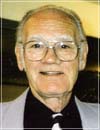
Scott Richardson (1923-2010) served as pastor of Katy Baptist Church in Fairmont, West Virginia.
Broadcaster:

Comments

0 / 2000 characters
Comments are moderated before appearing.

Be the first to comment!

Joshua

Joshua

Shall we play a game? Ask me about articles, sermons, or theology from our library. I can also help you navigate the site.