Bootstrap
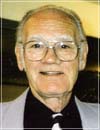
Scott Richardson

The Charity Of God

Scott Richardson July, 30 2000 Audio
0 Comments

Sermon Transcript

Auto-generated transcript • May contain errors

100%
Turn with me here this evening.
I'll read a few verses from the sixth chapter of the book of
Hebrews. Chapter 6, verse 13. For when God made promise to
Abraham, because he could swear by no greater, he swore by himself,
saying, Surely, blessing I will bless thee, multiplying I will
multiply thee. And so after he had patiently
endured, he obtained the promise. barely swear by the greater,
and an oath for confirmation is to them an end of all strife. Wherein God, willing more abundantly
to show unto the heirs of promise the immutability of His counsel,
confirmed it by an oath, that by two immutable things, in which
it was impossible for God to lie, we might have a strong consolation
who have fled for refuge to lay hold upon the hope set before
us, which hope we have as an anchor of the soul, both sure
and steadfast, and which entereth into that within the veil. Whither the forerunner is for
us entered, even Jesus, made a high priest forever, after
the order of Melchizedek. Paul goes at great length in
this chapter to describe the everlasting love of God and calls it charity and says that men would speak
of Though I speak with the tongues of men and angels, and have not
charity, that is, have not the everlasting love of God shed
abroad in my heart, if I have not that." He's not talking about
a natural love, but a supernatural love that is implanted in our
soul by the Spirit of the Lord. That's when we've been quickened
and regenerated. and responded to the love of
God in Christ. If I have not that charity, if
I have not that charity, I become a sounding brass and a tinkling
cymbal. It doesn't amount to nothing.
A natural love, there's no way he's talking about it. He's talking
about the love of God. Charity. It was the charity of
God, the love of God. that fixed his eyes upon us before
time ever was and sanctified us and set us apart. It was the
everlasting charity of God that the Holy Spirit came to us and
quickened us and brought about an understanding and knowledge
of who the Lord Jesus Christ is. That is the everlasting love
of God. That is the everlasting charity.
And if you don't have this charity, well, you're just like a tinkering
cymbal. Maybe it never is what else you have. If you don't have
this, you have nothing. You're just like someone pounding
on a piece of brass. And you might know everything.
You might have the gift of prophecy. These preachers on the television
nowadays, they know what's going to happen. They can answer all
the questions before they're asked. But some of them I wonder about.
Though I have the gift of prophecy and understand all mysteries
and all knowledge, and though I have all faith, so that I could
remove mountains and have not charity, said I am nothing, don't
amount to a thing. And though I bestow all my goods
to feed the poor, and though I give my body to be burned and
have not charity, it profit me nothing. If you don't have the
everlasting love of God, she had to broaden your heart. You
don't have nothing. That's what he's talking about. He's not
talking about this charity that men talk about by giving to the
Salvation Army and helping the poor and volunteering over at
the senior center to take cancer patients to the hospital. That's
not what he's talking about. He's talking about the everlasting
love of God. the eternal, unchangeable love
of God Almighty in Christ Jesus to poor sinners. If this love
is not shared abroad in your heart, why, it doesn't make any
difference how much you know and what you don't know. You
bestow all your goods to feed the poor and give your body to
be burned, but if you don't have charity, it doesn't profit you
anything. He says this charity never fails. Charity never fails. See, the
charity that men speak of in our day, helping some poor man or something
like that, considered charity, or giving to the community chest
or something like that, or babysitting for some old lady, or visiting
a nursing home, that fails. That kind of charity is futile. That kind of charity comes to
an end. But this charity I'm talking about, and Paul's talking
about here, is an everlasting charity. It goes on and on and on and
on and on. Charity never fails. These other
things fail. Prophecies, they shall fail.
Where there be tongues, they shall cease. Where there be knowledge,
it shall pass away. We know in part and prophesy
in part. But when that which is perfect
is come, then that which is in part shall be done away. When
I was a child, I spoke as a child. I understood as a child. I thought
as a child. But when I become a man, I put
away childish things. For now we see through a glass
darkly. but then face to face, now I know in part, but then
I shall know, even as also I am known. And now, and now abideth
faith, hope, and charity. These three, but the greatest
of these is charity. The greatest of these, graces. These are graces, faith, hope,
and charity, the graces of God. The greatest of them is the eternal,
everlasting love of Almighty God that looked upon us with
pity in our miserable, miserable condition and had mercy on us
and gave us grace in Christ Jesus and sent the Lord Jesus Christ
to enable Him to be just and justifier and to establish us
a righteousness and be obedient to the holy law and bear the
curse of the holy law in our stead, in our place, in our room.
and take upon himself the penalty due to us against our sins. That's the eternal charity of
God. That's what he's talking about.
That love never fails, never fails. It'll never be quenched,
never be quenched. You can't quench it internal or external. It's always
there. You'll never lose it. That'll
never be taken away from you. Once God gives it to you, it
will never be withdrawn. You can't lose it. You might
leave it, but you can't lose it. It's said they have left
their first love. They left their first love, but
they never lost their first love. Eternal. What's eternal can't
be lost. Eternal and everlasting are synonymous
words and terms that describe the eternality of God himself,
no beginning and no end. Charity is the greatest. But
now abideth faith and hope and charity. Well, let me ask you
this question at the beginning. Where do these graces abide? It said, And now abideth. Where
do they abide? Well, they abide in the regenerate
heart, in a believer, in one who was
by nature far off from God, had no desire for God, did not care
for the things of God, didn't know anything about God
as to who he is or what he's done, did in trespasses and in
sins, Paul describes him there in the book of Ephesians. Where do these graces abide?
In the heart of the individual who has been quickened, quickened
by the Spirit of God and given life. And Christ is eventually
made known to him. The Spirit reveals to him the
love of God as seen in Christ Jesus. That's how we know what
we know concerning God. We see it. We see God in Christ. God so loved us eternally before
time ever was, loved us while we were yet sinners. He loved
us and set us apart and chose us, gave us grace in Christ,
and sent Christ to die for us. That's the love of God in Christ. We've come to see that. Well,
that's in this regenerate heart. What is faith? Faith is a precious
grace. It's the gift of God to miserable
sinners like you and I. Faith is the gift of God. It's
the greatest gift that God can give. the unregenerate, faith,
a precious, precious grace to miserable sinners. Faith is neither
more or less than belief in God's Word. We say there's not too
much depth to that. Everybody believes in the Bible.
Well, I'm sorry, everybody doesn't believe in the Bible. Everybody
says they believe in the Bible. But what I'm talking about is
faith is the gift of God to miserable sinners, and it's a belief in
God's Word. Believe God's Word, whether I
understand it or not. Whatever God says, I believe. Help thou my unbelief, but I
believe it. That's what it means. Faith means
giving credit to God. for everything that he said concerning, in particular, the
Lord Jesus Christ. It is believing on his Son, the
Lord Jesus Christ, according to the command over here in 1
John chapter 3 and verse 23. It says, And this is his commandment. To believe God is to believe
his commandment. And this is his commandment.
Well, what is his commandment? That we should believe on the
name of his Son, Jesus Christ. Faith is believing on the Son. Anything short of that is not
faith. Anything short that comes up
short from believing on the Son of God as our only reconciler,
our only good and blessed shepherd, and our only Savior, believing
on his Son. It's believing in the heart.
Faith is that that has to do with the heart. With the heart,
man believeth unto righteousness. I can say a lot of things. I
can use my mouth and say, I believe this and believe that and so
forth, which won't amount to a thing. But it's believing faith
is that grace that believes in a man's heart, that God hath
raised him from the dead. It's believing in the heart.
And if that's true, which I know it is, then faith abiding in
the heart. I ask the question, where does
these graces abide? In the regenerate heart. And
if a man believes to the saving of his soul, the truth concerning
the Lord Jesus Christ as God spake it, if he believes in his
heart, then faith abiding in his heart, lives in his heart. even though you have faith, though
but as a grain of mustard seed, like unto the littleness, the
smallness of a mustard seed. But if you have it, you'll see
that the Lord Jesus Christ is precious to you as a miserable
sinner that you are. You'll receive him. this faith
that resides in the heart. You say, what is faith? Believe
in the Word of God. Receiving the testimony of God
concerning his Son, you will receive this man, the Lord Jesus
Christ. If faith resides in the heart,
which is a gift of God, a sovereign gift at that, you will receive
him as the greatest gift of God to save you, a poor, lost, miserable
sinner. You'll go to him as the object
of your hope and the chief desire of your soul, and you will rely
on his death as the only atonement for your sins. That's what faith
is. You'll trust in his righteousness
and his righteousness alone to justify it. That's what faith
is. Faith abides in the heart, and
the effect of faith is seen in us trusting and receiving and
believing upon the Son of God. You'll lay hold
of Him as your only refuge for your guilty soul. You won't stop
until you lay hold of Him. You won't stop until you taste
that He's gracious, and taste that He's precious, and know
that He's wonderful. You will glory of and in Him
alone, and your song will be, God forbid that I should glory
save in the Christ of the cross. and Christian hope. Now abideth
faith, hope, and charity. We know what charity is, we know
what faith is. Now, gospel faith and Christian
hope are twin graces in the heart. They are inseparable. You can't
have one without the other. Don't have faith, you're not
going to have hope. You can't have hope without faith. These two are inseparable, they
are joined together, they are married, and they will not be
separated. Faith does not exist without
hope. Hope has no being without faith. Such as a man's faith is, Such
is his hope, because they both flow from the word of God as
light and heat comes forth from the sun. Now, if you take away
the spoken word, the revealed word, the immutable word of God,
bound in the context of the book here, if you take away the spoken
word, then faith has no existence whatsoever. Now, without a promise
made, hope, which we're talking about, has no existence. Hope
is expecting that which we want. It's believing in the promise. And in the context here, it's
the promise of God. whatever the promises of God
is, hope is that which lays hold of that promise. Faith receives and takes possession
of God's Christ as He is set forth in the Word. Hope, listen
to me now, hope expects all promises and all comforts and all joys
in him and from him according to the word of the living God. And the word of the living God
liveth and abideth forever. And hope gets its courage and
strength from the promises of the word of God. Like, for instance,
I'm the good shepherd, the good shepherd North is sheep. I, the Good Shepherd, lay down
my life for the sheep. They shall never perish, these
that I lay down my life for. They shall never perish. Nothing
shall separate them from me. That's the promise of God. And this is what kindles hope
in our hearts, that God, cannot lie has promised this to us." Well, according to the Word of
God, and the Word of God lives and abides forever. When everything
else is gone, the Word of God will still be here. When this
world is on fire, the Word of God will be a prominent figure. You see, the Lord Jesus Christ
is the cause of our hope. Jesus, who is the essential Word
made flesh, is our hope. He's the object of our hope.
He's the life of our hope. Therefore, our hope abideth,
abideth through the Lord Jesus Christ, or on the account of,
or because of, Our hope abides. It abides when everything else
fails, when everything appears to go against us. Hope is always
there, looking for better things. When all forsakes us, hope is
still there. It may be a faint hope, but a
faint hope is better than no hope at all. Oh, my soul! Over here in Hebrews, if you
look over there with me, chapter 6, is it? Hebrews chapter 6. Jesus is the object of our hope
now. Now abideth these two graces,
three graces, faith, hope, and charity. Charity is the greater
of the three, the everlasting love of God, but there abideth
faith and hope. We're talking a little bit about
hope. And we say that Jesus Christ is the reason for our hope and
the object for our hope, and the grace of hope cannot perish,
because he likens it to an anchor of the soul. I'll read that there. It says, Which hope we have as
an anchor to the soul, that anchors both sure and steadfast,
which entereth into that within the veil, where the forerunner,
where Christ is for us in heaven, even Jesus, made a high priest
forever after the order of Melchizedek. Now, the grace of hope cannot
perish, cannot be destroyed, because it's the anchor to the
soul, and it keeps us sure and steady. Why? Because this anchor
is not cast within us, but it is cast without us, without us
in Christ. Now, when the captain of the
ship thanks his ship on the account of the storm, the high waves
and the high winds, when he thinks that his ship might be overcome by these high
winds, his last hope is to cast the anchor. into the water, find some deep
water, and cast the anchor into the water, that the anchor might
be fastened to a rock. Now, he'd be a mighty foolish captain if he thought
just because he had an anchor on board the ship, the ship could
ride out the storm. But the anchor won't do no good
if it's on the ship. It's got to be cast outside the
ship into the water where it might drag on the bottom and
fasten to a rock and hold the ship firm and keep the ship from
being washed ashore or turned over. Well, it may be that that
anchor might break. What if the chain or the rope,
whatever they use for an anchor, what if it would break? What
if where the anchor is cast down into the reef on the stone, on
the rock, what if the rock would give away and there would be
no rock for the anchor to hold onto? Or what if the the chain
would break or the anchor would break. But the Bible says that
the anchor to our soul is the Lord Jesus Christ. He's the anchor
of the soul, both sure and steadfast, which entereth into that within
the bank, our Lord Jesus. He's fastened to the rock. and to the Rock of Ages is where
he's at. And that's where our anchor is,
in the Rock of Ages. And God here in this chapter
of the book of Hebrews tells us that we're secured by that
anchor. And God promises us, and not
only makes the promise that we shall abide in him forever where
he's at, but he follows his promise with a note. He swears by himself
because there's none greater than him. He swears to a note
and he says that by two immutable things in which it was impossible
for God to lie. He swears by himself that you
and I have an anchor to the soul which is sure, which is certain,
sure and steadfast. It won't break. It won't pull
loose from the rock. It's fastened to the rock of
ages. It's tossed into the deep water.
The anchor can't be seen. It can't be seen. It's under
the water. Hope, hope, faith, the mother
of hope, gives hope this unerring confidence to believe in the
promise of God that the anchor is fast, and the ship won't move,
and the sailors won't be lost, because our forerunner, the Lord
Jesus Christ, the anchor to our soul, is in heaven, and because
He's in heaven, God says these two immutable things that God
cannot lie. He won't lie and He cannot lie.
We're safe. We're just as safe on heaven's
shore as if we'd been there 10,000 years. Safe in Him. Fastened. We're fastened. Hope
fastens itself to the promise of God. I'll never leave you
nor forsake you. Hope fastens itself to that. There's millions tonight in the
hospitals, in their homes, in other places. They have not this
hope. They're worrying about tomorrow.
They're wondering where the next paycheck's coming from. They're
wondering whether they've got cancer or not. They're wondering
what they're going to do if their wife passes, or their husband
passes. Uncertainty arrests. Oh, we're fastened to the rock,
to the promise of God Almighty. Lay hold upon the hope, the Bible
says, in that eternal good and blessed state which is reserved
in heaven for you, oh, strengthened by God's immutable authority.
Hope, hope, hope. Lots of people name their children
Hope. They hope for good things to
come of this child. And they say, well, let's just
name her Hope. Well, that's a good name, isn't
it, Hope? I even think Charity's a good name. But most people
now like, oh, Teresa and names such as that. I like hope and I like charity. Hope never failing, charity never
failing. Now abiding is faith and hope
and charity. Where do they abide? In the believer's
heart. Hope is believing that God will
make good on His promise. That's what hope is. Hope is
believing in the unseen. We can't see the anchor, but
we know the anchor's there. We can't see it, but it's there. It holds us fast and sure. It says it's sure and steadfast. Well, that's a quick thing. Sure
and steadfast, and which entereth in to that within the veil, where
the forerunner has entered for us. He's entered there and prepared
a place for us. And he said, when that's done,
he said, I'll come again and receive you unto myself. Our
hope. Our hope. There's something about that
good hope in the book of Titus. Hope of eternal life that's in
Christ Jesus. Let's stand and we'll go to our places.
Scott Richardson
About Scott Richardson
Scott Richardson (1923-2010) served as pastor of Katy Baptist Church in Fairmont, West Virginia.
Broadcaster:

Comments

0 / 2000 characters
Comments are moderated before appearing.

Be the first to comment!

Joshua

Joshua

Shall we play a game? Ask me about articles, sermons, or theology from our library. I can also help you navigate the site.