Bootstrap
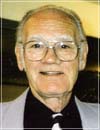
Scott Richardson

The Fall Of Man

Genesis 3:7
Scott Richardson May, 14 2000 Audio
0 Comments

Sermon Transcript

Auto-generated transcript • May contain errors

100%
over here in the first part of
the Bible to the third chapter of the book of Genesis. Chapter
3 of the book of Genesis. I think I talked a little bit
about this not too many days or weeks ago, but I want to go
over it at least partially again here this morning. Here in this
third chapter and the seventh verse. Now, that which leads
up to the seventh verse tells us that Adam, who was the first created of God and God caused a deep sleep to come
upon Adam and he took from his body a rib and made a woman called
Reeve and Adam was the first man, and he was the federal head
of all those that should come after
him. The federal head of the human
race. He acted in our stead, and what
he did was imputed to us. And here in this seventh verse,
it says, After he fell, and of course when he fell, we
fell in him. After he fell, fell from this
state of innocence. He ate of the fruit that was
forbidden by God for him to eat. one tree in the midst of the
garden. He said, all of this is yours. You keep this garden
to be the husbandman and the dresser of the garden. But the
fruit on this tree, this particular tree, he said, don't eat of that.
If you eat of that, you'll die. Now after, and of course you
know the, at least part of the story there, serpent beguiled
Eve and caused her to have doubt in her heart as to the truthfulness
of God. And she ate of the fruit, and
when she did, why, she enticed Adam. And, of course,
Adam loved his wife. He ate of the fruit too. And
they were cast out of the garden. And Adam fell. And now it says in the seventh
verse, the eyes of them both, both of them, Adam and Eve, were
open. And they knew that they were
naked. And they sewed fig leaves together and made themselves
aprons. Now, in the case of Adam and
Eve here, the discovery of their nakedness, I told you before that in the fall of man, that Adam
received something that he didn't previously have. He
had a conscience to know good and evil. He couldn't know evil before
the fall because there was no evil to be known. Now, when he
fell, he and his wife, they discovered that they were naked. They were naked before, but it
didn't bother them. But because they got what they
previously had not, a conscience of good and evil. They discovered
that they were naked and they were ashamed. But they were not ashamed before
in their nakedness. Now, when they discovered their
nakedness, immediately following the discovery of their nakedness
was an effort on their own part to cover their nakedness. They
made an out-and-out effort on their part to cover their nakedness. It says that they sewed fig leaves
together and made themselves aprons, to make themselves aprons
to cover their nakedness. So this is the first attempt
of man to remedy his own condition by his own device. Now, that is not only true in
Adam's case, but in every case that man's effect to remedy his
condition is based on the sense of his nakedness. Let me say
that again. This is important, not only true
in the case of Adam and Eve, but in every case, man's effect
to remedy his condition is based on the sense of his being naked. He is confessedly naked. And all his works are the result
of his being naked, and this can never do. Now, I must know
that I'm clothed before I can do anything that's acceptable
in the sight of God. I must have some understanding
and some knowledge that I'm clothed before I can do anything that
God will accept. That's got to take place. And
this, be it observed, is the difference between true Christianity
and human religionness. True Christianity is founded
on the fact of a man being clothed. All have sinned and come short
of the glory of God. All are defiled and unacceptable
in the sight of God because of this awful, monster sin, naked
before God. and they must have a righteousness that will enable them to find
favor in God's sight. True Christianity now is based
on the fact of a man being clothed. Human religionness is founded
on the fact of his being naked. True Christianity has for its
starting place what human religion has for its goal. Human religion
is trying to do something in order to gain favor with God. True Christianity has been the recipient of of
something already done by God, which is the establishing of
the righteousness of the Lord Jesus Christ freely imputed to
them. And when I say they cannot do
anything until they are clothed, when we are quickened by the
Spirit of God and discover our nakedness, our unrighteousness,
discover who we are, discover that we are naked before
God, that we have not that which God requires. The Spirit of the
living God works in our hearts the grace of God and opens our
eyes and our understanding to believe the gospel of the Lord
Jesus Christ, which is the good news that he hath provided all
that the poor sinner needs in himself. And so he who is quickened
by the Spirit, called by the grace of God through the gospel
of the Lord Jesus Christ, lays hold of the righteousness of
God in Christ freely imputed to him. So, true Christianity
then has for its starting point what human religion has for its
goal. They're working to be clothed. They're working their way to
heaven. Well, of course, we know that
that cannot be. Now, all that a believer does
is because he is clothed, and he is clothed perfectly with
the perfect righteousness brought in and established by none other
than the God-man himself. Now, all that a religious man
does is in order that he may be clothed. And there is quite
a difference in what the true Christian, the true believer
does and what the religionist does. All that the true believer
does is because he is clothed and all that the religionist
does is in order to be clothed. Now, the more that we think about
this, The more we examine the work of the true religionist,
we see the insufficiency of the remedy which he sets forth as
his plan to relieve himself or try to relieve himself of his
guilt and his shame of his sins. Now, but when a man really looks
at the terrible, awful realities of himself into the face of all
of it, he'll find, I believe, in good truth that this individual
that is trying to gain favor with God by his works is his
religion. The Bible uses this expression,
which I looked up here this morning, that his religion is a bed too
short for him to stretch out on and his covering is too narrow
for him to wrap himself in. Now, the moment that Adam heard
the voice of God in the Garden of Eden or the Garden of Paradise,
It says that he was afraid because he himself confessed, I'm naked. Naked, although he had his apron
on. He said, I'm afraid. Well, what
made him afraid? He'd already sewed together the
fig leaves and covered himself with this apron that was the
remedy of his own hands, but yet he said that he was afraid. Well, it is very plain to me
that his covering did not satisfy his own conscience. Had his conscience
been satisfied, he would not have been afraid, but his conscience
was not satisfied. Over here in the book of 1 John
is a couple of verses I want to read to you. Chapter 3, I
believe in 1 John 20 and 21. Let's see if this doesn't indicate
what I'm saying to be true. It says in verse 20, For if our
heart condemn us, God is greater than our heart and knoweth all
things. Beloved, if our heart condemneth
us not, then we have no confidence towards God. So it's plain that
the covering didn't satisfy his conscience. Had his conscience
been satisfied, he would not have been afraid. Well, this
is what conscience will do every time. It will cause a man to
hide himself from God. That is what a conscience will
do. That is not tempered by the Spirit. It will cause him to run and
hide himself from God. It won't cause him to come to
God. It will cause him to run from
God and try to hide himself. his religion offers him is a
hiding place from God. And we have thousands upon thousands
of places this morning where men go, religious men go, to really the end result of their
going is that they might find themselves a hiding place from
God. And this is a miserable possession,
inasmuch as a man must meet God sometime or the other. And if
all he has is the sad conscience of what he is, he's in a bad
state, if that's all he's got. What must it feel like for one
who knows? who knows that he must meet God
sooner or later, and he knows only his own unfitness to meet
God. Holiness and sin cannot live
together. So wherever sin is found, it
can only be met with God's wrath and disfavor. In Hebrews chapter
1 and verse 13 it says that He, that is God, He is of purer eyes
than to behold evil, and He cannot look upon iniquity. But blessed be the God of Abraham
and Jacob, and blessed be the God and Father of our Lord Jesus
Christ, There is something beside the consciousness of what I am. This is the revelation of who
he is and what he is. God has not revealed himself
fully in creation. He hath showed his power and
his eternal Godhead in creation but there's more to God than
power and wisdom and the Godhead. Well, there's no way that you
can read in the first chapter of the book of Genesis and find
anything out about the mercy of God and the love of God. Power, the power is manifested
and the wisdom of God is manifested in these couple of chapters,
but he has not told out in these chapters the deep secrets of
his nature and his character. Creation never could bring out
really what God is. All that it has brought out so
far is power and his wisdom. Where is the love? Where is the
grace of God in the first and second chapter? Where is the
grace of God? Where is the love of God? Where
is the holiness of God? Where is the righteousness of
God? Where is the goodness of God? Where is the tenderness
of God? Where is the long-suffering of God? This can only be displayed
in a world of sinners. God first came down to create. When the serpent Lucifer, the
devil, when the serpent presumed to meddle with God's creation,
it was then that God came down to save. Notice the words here
in this second chapter. uttered by God after the fall
of man. The Lord God, the Bible says,
called unto Adam and said unto him, Where art thou? Now, this question, Where art
thou?, proves two things. It proves first that man is lost. He is lost. He is dead. And it proves also that God has
came down to seek that which is lost. God's grace, if there's no grace of God manifested
here, man would be forever lost. But man was lost here, and I
say this reverently, that God came down to look for him. Adam was lost. Although he tried
to affect his condition by covering up with a device of his own making,
yet he said he was afraid and he hid himself from God and God
came down and said, Where are you, Adam? To create man out of the dust
was the power of God, but to seek man in his lost condition
is the grace of God. Who can tell all that's wrapped
up in the idea of God being a seeker? God Almighty seeking a sinner,
and that's what he was doing in the second and third chapter
here of the book of Genesis, he came down to seek old Adam. What could have been in man,
in Adam, that would cause him, that is, cause God to seek him? Is there something valuable in
Adam? that caused God to seek him?
Well, I'll tell you why God sought Adam. I'll tell you what he seen in
Adam. Certainly he didn't see anything
that was good, but he saw just what the great shepherd saw in
the lost sheep. He had a hundred sheep and ninety-nine
of them was in the fold, but one was lost. And the good shepherd
said, I must find him. And he toiled and he searched
until he found him. And when he found him, he put
him on his shoulders and brought him back to the fold and called
in his neighbors to celebrate. Just what the woman saw in that
lost piece of silk. She lost that piece of silk and
she got her broom and she swept all over the place, every crack
and every corner, until she found that lost piece of silk. Just
what the father saw in the prodigal son. You remember that son. that got tired of living under
the rule of his father. And he said, Father, give me
my inheritance. Give me what you're going to
give me when you die. I want it now. I'm tired of the
surroundings here. And he gave him his inheritance
and he went off into a far country and he spent all of his inheritance
and righteous living. Just what the Father saw in that
prodigal son. When the prodigal son came to
the end of himself, full of shame, shame to what he'd done. Why
said I could get better treatment than this if I went back home
and just claimed to, just said, Father, I'll be like one of your
servants. They fare better than I'm faring
down here in this hog pen. And the father ran out to meet
him and kissed him and hugged his neck and clothed him, told
the servants, said, go into the house and bring out the best
garment that you've got, the best coat in the house. bring
it out and clothed him. And they brought it out and they
clothed him and put a ring on his finger and shoes on his feet. And he said, we're going to have
a feast. My son was lost, but now he's
found. That's what God saw in Adam. That's that which was valuable
to him. God's got some people. that he
chose unto himself out of the great God foresaw every soul
that had ever been born of Adam's race. And he separated, sanctified
so many out of Adam's race. The Trinity of the person of
God fixed his eyes upon this innumerable multitude of people,
and sanctified them, set them apart, and chose them in the
Lord Jesus Christ. And the Lord Jesus Christ, being
the surety of the covenant, said, I'll be accountable for all these
sinners that you gave to me. You chose them in me and they're
mine, and I'll be accountable That's why Adam was valuable. He was one of those that the
Father chose before time ever was in himself. The sinner is valuable to God,
but why should he be so? Only because of that covenant
choice. That's the only thing that makes
him valuable. Well, here then is man's terrible
condition. He's lost all. Adam lost all. He lost his dominion, he lost
his dignity, he lost his happiness, he lost his innocence, he lost
his purity, he lost his peace, and he lost this relationship
that he had with the Father when the Father came down in the cool
of the day and they had fellowship. He lost all that. all was gone. But what was still worse, this
man, Adam, accused God of being the cause of it. He said, Why? That woman. That woman that you gave me.
If you hadn't have given me that woman, I wouldn't have been in
all this trouble I'm in. There I stand. lost and ruined
before God, guilty before God, yet he is still self-vindicating. He is a God-accusing sinner,
accusing God for the trouble that is in him. Well, only when
a man has come to the end of himself, like the prodigal, he
came to the end of himself. He didn't have anything. He was
wretched and poor and he had nothing. And he started thinking
about home. Only when a man comes to the
end of himself, and he's got to come down to the last knot
on the rope, only then can God show what he is. Now, the scene
must be entirely cleared of man and his works. all of his vain
pretensions, all of his empty boastings, he must be reduced
down to what he is, nothing. All of his blasphemous reasonings
must be done away with before God can or will reveal himself. Well, he chose for in this fall
of Adam, it really stamps forth man's character and his condition
and his ignorance of the knowledge of God. And that's the problem. That's the great problem. That's
when men who are lost before God, they're lost before God
because they have no knowledge of God. They have no knowledge
of God. They don't know who God is. They
haven't seen God in Christ on the cross. Until they see God
in Christ on the cross and what God in Christ on the cross did
on behalf of sinners, they'll remain in ignorance and die and
go to hell because they're ignorant of the knowledge of God. Throughout
the Bible it talks about knowing God, knowing God, but you can't
know God apart from the God on the cross. God in Christ. God condescending, becoming a
man as a man, satisfying all the demands of justice, all the
demands of a righteous God. Our Lord Jesus Christ did that.
This is what marks a man's character and fixes his destiny. He's ignorant
of God, has no knowledge of God. He's evil in his thoughts through
and through, the Bible says. He's evil in his words, his evil
and his actions, and it's all the result of not knowing who
God is. To know God is everything. It's
everything. I don't care how much of this
world's wisdom you know, it's nothing in compared to knowing
God because to know God is everything. To know God is the ticket to
heaven. To know God is everything. It
quickens the soul. It is the solid ground of endless
happiness to know God. It tranquilizes the conscience
to know God. It elevates the affections to
know God. It sanctifies his entire character
and conduct, that is, the man that knows God. There is a point
where God and man must meet, whether in grace or in judgment,
but there is a point in which God and man must meet. And that point is where both
God and man are revealed as they really are. And happy is the
man that reaches that point. If he meets me in my actual condition
as a lost, helpless, hopeless, doomed, damned, aggravated sinner,
If he meets me in my actual condition and he provides an adequate remedy,
then all is eternally settled forever. But all who do not see God in
the cross will have to meet him by and by in the judgment. And
when he meets him in the judgment, He will have to deal with us
according to what He is and according to what we are, sinners, sinners
without hope. Adam sinned against God, but
God, in His mercy, got an animal, a sheep, I suppose,
and killed the sheep, and took the hide of the sheep, and made Adam and Eve a coat.
So Adam is happier and safer outside the garden than he was
when he was inside the garden. Because when he was inside the
garden, he had to depend upon himself. somebody else and that somebody
else is God. Do you see that? Inside the garden, his life depended
upon what he'd done and what he didn't do. Outside of the
garden, his life depended upon what God done, so he's safe. The great fundamentals The fundamental
principle of the gospel is this, that God is all and man is nothing,
that all of this business of salvation is all of God, that
you and I have not one particle to do with it, not one breath
adds to what God has already done. God has already met all
the demands in Christ. He's met all the demands of justice. He says the soul that sinneth
shall surely die. And the man, Christ Jesus, who
took upon himself our humanity, he died in our humanity on that
tree. Not for his sin, he had no sin. But our sins were transferred
and laid on him. And the wrath of God fell on
sin. which was on the Lord Jesus Christ
who had no sin. Oh, do you see here this morning
that when Adam stood clothed in the coats of skin, he didn't
say he was naked. He said he was naked when he
was clothed with the fig leaf aprons. He said he was naked. I was afraid.
I was naked. I was ashamed. But when he was
clothed in the coats of skin, he couldn't say he was naked.
And he had no reason to hide himself. Man can be perfectly
at rest when by faith he knows that God is clothed. He can be
at rest. Are you at rest this morning?
You can be if you know that God has clothed you. But as long
as you think that something that you've done, thought, or said
has anything to do with God's salvation, you're still in fig
leaf aprons. And you'll still be afraid, and
your conscience is not good. You've got a bad conscience,
and you'll always have a bad conscience because you haven't
got a perfect sacrifice. And the only thing that can bring
about a perfect conscience is a perfect sacrifice. And that's
the Lord Jesus Christ. And that's the only sacrifice
that God will accept, is the Lord Jesus. And he accepts it
on behalf of sinners, awakened sinners, sinners that have discovered
who they are, that they're far off from God and they ain't got
any hope in themselves. and they've run from God and
they're hiding themselves from God in their religion or in their
little old two-bit profession that they made, I accepted Jesus
or I held my hand up or something like that. They have never discovered
the awfulness of their condition. When they discover the awfulness
of their condition, then God will reveal Himself as His to
what they are. certainly respond and receive
him and rejoice in him. The Lord bless us. We'll meet
again this evening at six, isn't it?
Scott Richardson
About Scott Richardson
Scott Richardson (1923-2010) served as pastor of Katy Baptist Church in Fairmont, West Virginia.
Broadcaster:

Comments

0 / 2000 characters
Comments are moderated before appearing.

Be the first to comment!

Joshua

Joshua

Shall we play a game? Ask me about articles, sermons, or theology from our library. I can also help you navigate the site.