Bootstrap
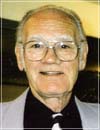
Scott Richardson

What Is Justifying Righteousness

Galatians 3:6
Scott Richardson May, 7 2000 Audio
0 Comments

Sermon Transcript

Auto-generated transcript • May contain errors

100%
the third chapter of the book
of Galatians, a verse of Scripture, and I'll read a couple more verses
as we go along here. This third chapter of the book
of Genesis, down there in the sixth verse, Even as Abraham believed God, it was accounted to him for righteousness. And the word accounted there means imputed or reckoned. Abraham believed God and it was
imputed to him for righteousness. Then over here in the fifth chapter
of the book of Romans, it says this, and verse 19, Romans chapter 5, verse 19, It says, For as by one man's
disobedience many were made sinners, so by the obedience of one shall
many be made righteous. Then in the tenth chapter of
the book of Romans, verse number four, It says, For
Christ is the end of the law for righteousness
to everyone that believeth. Now, justifying righteousness, what is it? What is justifying
righteousness? Justifying righteousness is the
doing and the suffering of Christ when He was in this world. That
is what it is. This is clear because we have
already read that we are justified by His obedience. of the Lord Jesus Christ, this
justifying righteousness, which is referred to in some scriptures
as the righteousness of God, this righteousness resides in
and with the person of the Lord Jesus Christ. Before I go any farther, let
me try to emphasize again that for a person to be reconciled with God, he must have that which God requires. And God requires a righteousness that is perfect. You must have a perfect righteousness
to be reconciled to God. You must have a perfect righteousness to find favor with God. He must
have a righteousness to be accepted by God. And this righteousness,
which is justifying righteousness, resides in and with the person
of the Lord Jesus Christ. Now, it is of a justifying virtue
only by imputation, only by reckoning, only by imputation,
by God's reckoning it to us, even as our sins made the Lord
Jesus Christ a sinner. Let me say it again. It is of a justifying virtue
only by imputation, only by reckoning. It is by God's reckoning it to
us, even as our sins made the Lord Jesus Christ a sinner. It is by God's reckoning it to
him. God's imputing or charging him
with our sins. It is the transference of our
sins laid on him. Now, the righteousness of God
is the righteousness of God's completing himself. It is a righteousness
of God's bestowing a righteousness that God gives unto and puts
upon all of them that believe in his Son, the Lord Jesus Christ. The righteousness by which we
must stand in before God is this justifying righteousness that
is freely imputed or charged to or reckoned to
the person that believes in the Lord Jesus Christ. This righteousness
by which we stand just before God from the curse of the broken
law, was performed or wrought long ago, two thousand years
ago, by the person of the Lord Jesus Christ. Well, let me just
make it this short. The justifying righteousness
that God requires of every believer, in order for
him to stand in good stead with God and to be in favor with God,
to be a child of God, was performed by the Lord Jesus Christ himself
alone two thousand years ago. And how we come to receive it
is by it being charged to our account by it being reckoned
to us. The righteousness of God, this
justifying righteousness of God, is no common righteousness. It was the righteousness of Him
who was both God and man. Therefore, it is not only the
righteousness of God, but it is also the righteousness of
the God-man. So it is not a common righteousness. It is not a righteousness that
we refer to in ordinary conversation that we have among one another
on a daily basis. or routine conversation. It is
not a common righteousness, the justifying righteousness that
makes us to stand just before God. It is the righteousness
of God and it is the righteousness of a man. But in addition to
this, in addition to the fact that It is not only the righteousness
of God and man, not only the righteousness of God and not
only the righteousness of man, it is the righteousness of the
God-man, of the Son of God and the Son of Man in one person. It embodied, it exhibited all
uncreated, and all created perfection. The justifying righteousness
of the Lord Jesus Christ is rolled up into all uncreated perfection
and all created perfection in one lump. Never had the like
been seen before or heard of in heaven or in earth. It was
the two-fold perfection of creaturehood and creatorship in one glorious
person, and that is the Lord Jesus Christ. Now, the dignity
of the person of the Lord Jesus Christ gives perfection to that
righteousness. That's the reason why it's said
to us many times in the preaching of the gospel that we must know
who He is. We must know something of His
person. It's not just to know about Him,
but it's to know who He is. And to know who He is is to know
that He was God manifest in the flesh, that the Lord Jesus Christ
is not just an ordinary person, that the Lord Jesus Christ is
God Himself in the flesh. God came down and became a man. And as man and God in one person,
He established and brought about a justifying righteousness never
the like had been seen or heard of until our Lord Jesus Christ
established this justifying righteousness. And in the dignity of his person
gives the perfection adds to the perfection of that
righteousness. It adds a vastness, a height,
a depth, a length that cannot be equaled. If you rolled up
all the righteousness that humanity has ever produced from the time
of Adam, until right now, it would fall far short of the righteousness
that the Lord Jesus Christ established and brought in. There would be
no comparison whatsoever. It's never been equal. and never
shall be evil, this justifying righteousness. And this is the
righteousness that we must have in order to stand before God
in his favor. We must have it. And it only
comes by imputation to those who believe the testimony concerning
God's Son. It is the perfection of perfection. It is the excellency of excellency. It is the holiness of holiness. It's that which God preeminently
delights in. He said, This is my beloved Son
in whom I am well pleased. I preeminently delight in Him. He is that justifying righteousness,
that perfection of perfection, that holiness of holiness. Never
had the law been so kept and so honored before as when the
Lord Jesus Christ kept the law and honored the law. and magnify
it and glorify it. The Son of God and the Son of
Man in one person have kept that law. He in his two-fold character,
God and man in one person, in that two-fold character, as
the Son of God and the Son of Man in one person. He provides a righteousness that
is so large, so complete, so vast, so immense, so full, that
it provides a righteousness that can be shared with others and
transferred to others. And others can use it and make
their plea before God based on it, this justifying righteousness. Never had God been so loved before
as now. with all divine love and with
all human love. God had never been loved like
that before. He'd been loved with divine love,
but not with human love. But here we find out that this
justifying love has been brought about by the man Christ Jesus,
and the man Christ Jesus is the God-man. He, in his two-fold
character, has provided a divine love to God, then God himself,
and being a man, he has provided a human love to God. So you can say God had never
been so loved as He is now with all divine love and with all
human love in one person. Never had God been so served
and obeyed as He has now by Him Who is God manifest in the flesh? Never has God found one before. Who for love to his holy law? Who was willing to become the
victim of the holy law that the holy law of God might be honored
and glorified? Who for love, out of love, every
time? that the Lord Jesus Christ as
a man did in our behalf unto God was out of pure, unadulterated
love. Who for love to God was willing
not only to be made under the law, and by coming under the
law he subjected himself to death, even the death of the cross,
one who loved the Father's soul and loved the fallen sinner with a love that paralleled the
love of anything that's ever mentioned, was willing to take the sinner's
place, and bear the sinner's burden, and to undergo the sinner's
shame, to undergo the sinner's guilt, and to undergo the sinner's
penalty of shame and anguish, and go down into the darkness
of the sinner's grave. like that had ever been known. So you see what I'm saying here
this morning? I'm saying this justifying love
and obedience is wrought by the hands of the Lord Jesus Christ,
God's only Son, who condescended and become a man, and as a man,
answered all the claims of divine justice, answered all the demands
of the law in our behalf, in our place and in our stead. And when we believe the account,
the testimony of God concerning who his Son is and what his Son
does, then this justifying love, is charged to our account. It's
imputed to us, given to us freely, and we're regarded by God as
though we did it ourselves, though we never did a single solitary
thing. And that's all the good news
of the sinner, isn't it? Good news to the sinner, justifying
love. Oh, my soul! I believe this morning,
as I think about it, when they talk about what a man's got to
do to be saved and all of that, and never talk about the justifying
love and obedience of the Lord Jesus Christ, I believe if my
salvation, and I say this honestly, as honest as I know how to say
it, I believe if my salvation depended upon my always loving
my neighbor as myself, I'd be damned forever. If my salvation depended upon
my loving my neighbor always as myself, I'd be damned and
sent into the regions of the damned forever. And you would, too. Not just
me, but you would, too. Well, some folks say, Well, then
how do you expect to go to heaven? Well, I'll tell you this, you
can't go on that ground. You can't go on the ground of
loving your neighbor as yourself because you can't do it. So you're
not going to go on that ground. You've got to have a justifying
righteousness. You've got to have a righteousness
that is as righteousness as God Almighty himself. And that righteousness
can only be found in one person. And that person is the Lord Jesus
Christ. That's where that righteousness
is. And he says, as I read to you there in, what was it, the
book of Galatians, chapter 3? Anyhow, it says that even as
Abraham believed God, it was counted for righteousness. It was imputed to him for righteousness. That's what I'm talking about,
justifying righteousness. How can a man be just before
God? The only way it can be just before
God is to have the justifying righteousness of the Lord Jesus
Christ, which He freely imputes and gives to any sinner who will
own Him as their Savior. And so, if you think you're going
to go to heaven because you're attempting to do this or attempting
to do something else, As I gave the illustration, if I thought
that I had to love my neighbor as myself, I'd be damned. I'd
be damned right now. I'd been in hell since the day
I was born. I can't do it, but he did. I
can't do it, but the Son of God and the Son of Man and one person
loved his neighbor as himself. He did that for me. That's added to my account. That's
charged to me. That's reckoned to my name. Oh, you can't own that ground.
I know a lot of folks say they think they're going to go to
heaven by counting their beads and paying the priest. So if
you take away If you take away the Christ of God, there's not
enough holiness in this whole world to save one sinner, not
one sinner. It's the justifying righteousness
established by the Lord Jesus Christ in his three years of
obedience to God and his three years of suffering, paying our
debt and our penalty, all of that accumulated. brought about
and added, put under our name. What part has Christ in this
great salvation? One more time. He stood in the
people's law place. He called their sins His own.
He had no sins. He was made sin. He took the
sins of His people and called their sins His own sins. And He was punished not for His
sins. He didn't have any. He was punished
for My sins. They became so real to Him, He
said that they were His own. He stood in his people's law
place and he called their sins his own. And he took their debt
as his own and he paid their debt. He cancelled out their
sins by his own precious person and his own precious blood. He
drank into his holy soul all the hell that his children
would have endured. And he put out the flames of
hell with his heart's blood that your soul and my soul, if we
be saved by the grace of God through the Lord Jesus Christ,
that we might obtain eternal blessedness with him. This salvation,
of God Almighty is so extensive that it must meet the requirements,
the whole requirements of God's holy law. It's so extensive that it must
meet the demands of God's holy justice that says the soul that
sinneth shall surely die. It is so extensive as to make
the sinner's awful depravity of his nature. And I say here
with reverence this morning, reverence to you and reverence
to God Almighty himself, I say that the salvation of the Lord
Jesus Christ and his justifying righteousness is a salvation
that even God himself cannot mend, or Satan cannot mar. It is a complete salvation, a
finished salvation once and for all. A salvation short of this salvation
will not reach the core of a man's heart, but will fall short of
it. You can cover up the wound, but
that won't help. You've got to have a salvation
that will do away with all of your sins and pay all the debt
that you owe and close you in a righteousness that even God
himself can't find fault with. a salvation that Satan can't
tamper with. And that's the salvation I'm
talking about here this morning. I'm talking about this justifying
righteousness. That's the ground on which we
stand. All other ground is sinking sand. The justifying righteousness
entitles us to all of God's salvation, every bit of it. And the only
thing The only thing about this salvation that I can say with assurance this
morning is the certainty of it. It's a certain salvation. I was there at George Jones'
funeral there the other day. And after the service was over
with and I was sitting in my car, a fellow, I didn't know
who he was, he heard me mention something to Betty Brown and
her daughter-in-law about the service. Wasn't nothing said
except I just said, well, I wish the preacher would have said
more about Jesus. He didn't say anything about
Jesus. And I said, well, I wish he'd have said more about Jesus.
And that was all I said. And this fellow got out of his
car, and he'd come over to where I was at in my car. I had the window rolled down,
and he'd come over, and he said to me, he said, Are you Reverend
Richardson? And I said, Well, I'm Richardson. I'm not too Reverend, but I'm
the preacher, if that's what you mean. And he said, Yeah.
He said, Well, I want to ask you something. He said, Was George
ever baptized? I said, I don't know. I don't
think that he was. I said, I've been knowing him
about all his life. And I said, I don't think he
was ever baptized. I said, I may be mistaken about
that, but I don't think that he was. And he went like this.
Boy, I said, I was afraid of that. He thought if a man was
baptized that that would justify you before God. That's not what
I'm talking about. I'm talking about the justifying
righteousness of the Lord Jesus Christ, that which he wrought. That's what's imputed to your
account. You say, well, what about baptism?
Well, if you're a believer in the Lord Jesus, then you've just
gone out and been baptized. But that hasn't got anything
to do with justifying righteousness. A man can be baptized 25 times
and miss out on this. All of our entitlement is based
on the justifying righteousness of the Lord Jesus. That's what
entitles us to heaven, the justifying righteousness that he wrought
in himself. That entitles us to all that
God has. That's the reason the Bible says
that Jesus Christ is our all in all. He's everything. Nothing's outside of him. You
remember the song they used to sing years ago, Put all your
eggs in one basket. I think it was a song. I don't
know whether it was or not. Maybe just an expression. Put
all your eggs in one basket. God put all His eggs in one basket
in Christ. Everything's in Christ. Everything. Justification, sanctification,
redemption, wisdom. Everything's in Him. If you've
got Him, you've got everything. If you don't need anything else,
you've got Him. He's enough if that's all you've
got. But if that's all you've got,
He's enough. The old lady asked the preachers. She said, well, Jesus is all
I've got. And the preacher said, well,
are you sure that's enough? And she said, if that's all I've
got, I know He's enough. If that's all I've got, I know
He's enough. You can't have any more. If you
have any more, He's not enough. Our all's in Him. All in all. You've got to have Him. Your
baptism don't mean a thing. That is in light of the salvation
of God.
Scott Richardson
About Scott Richardson
Scott Richardson (1923-2010) served as pastor of Katy Baptist Church in Fairmont, West Virginia.
Broadcaster:

Comments

0 / 2000 characters
Comments are moderated before appearing.

Be the first to comment!

Joshua

Joshua

Shall we play a game? Ask me about articles, sermons, or theology from our library. I can also help you navigate the site.