Bootstrap
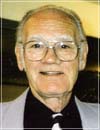
Scott Richardson

God Forbid That I Should Glory,Save The Cross

Galatians 6:14
Scott Richardson April, 16 2000 Audio
0 Comments

Sermon Transcript

Auto-generated transcript • May contain errors

100%
Chapter 6, and that fourteenth
verse. This great apostle, he said, God forbid, but God
forbid that I should glory save in the cross of our Lord
Jesus Christ. by whom the world is crucified
unto me, and I unto the world." Now, what Paul was saying was
this, at least this is what I think he was saying. He was saying,
God forbid that I should think that anything could recommend
me or entitle me to God's salvation except what the Lord Jesus Christ
has accomplished on my behalf. Now, that's what he said. God
forbid that I should glory, save in the cross of the Lord Jesus
Christ. God forbid that I should glory
in anything, anything. of myself, pertaining to myself,
in myself, outside myself, by myself, anything that I would
glory in, anything that could recommend me to God except the
cross of the Lord Jesus Christ, except the doing and the dying
of the Lord Jesus. This is the only way that will exclude
boasting and bragging on the part of the sinner, that everything is excluded that
pertains to himself as the means of his salvation. He is shut
up to the Lord Jesus Christ. here in the Book of Romans in
the third chapter and the twenty-seventh verse of that third chapter. It says, Where is boasting then? It is excluded by what law of
works, nay, but by the law of faith. Now, what is being said
here is this, that saving faith true faith, God-given faith that causes us to lay hold of Him
who is our obedience and our righteousness, our salvation,
our all in all. Saving faith requires that we
receive the obedience and the blood. and the righteousness
of the Lord Jesus Christ as the only ground, the only basis of
our salvation, and that we exclude everything, even faith, that
proceeds from our character and our conduct from that ground. This is how God humbles his children. reduces them down to nothing,
that everything in them and about them is excluded as a means or
a basis or a foundation of their salvation. This is how God humbles His children
and brings them to submit to the cross of the Lord Jesus Christ. his righteousness and his obedience
and his blood as their only ground of salvation. God reminds us,
not only in these scriptures but other scriptures here, he
reminds us that if he was to judge us based
on the best that we could do, then we would be cursed forever. Now, that's a truth that most folks seemingly can't pick
out of the Bible because most people believe that that they must cooperate with
God in some fashion, that he gives them a chance to be saved,
so they must cooperate with him. They must do something. They
must do their part. That's the way it goes. I must do my part and God will
do his part. And therefore, in cooperation, me cooperating with God and God
cooperating with me brings about my salvation. And when that's
believed, there is a tendency for self-righteousness and boasting. But the way God fixes it, that
salvation is based not on anything pertaining to our character or
our conduct, but it is by His free and sovereign grace through
the obedience and the blood and the righteousness of the Lord
Jesus Christ. And in a word, it is through
Christ only, Christ only, no cooperation. Now, there was this
cooperation 2,000 years ago when our Lord Jesus Christ was
taken by wicked hands all in the predetermined counsel
and the foreknowledge of God. But the disciples didn't know
that it was in the predetermined foreknowledge of God, and neither
did these wicked men. It was God's secret will. And anyhow, the disciples were
eyewitness to what went on. They were there. Peter warmed
himself by the enemy's fire. Peter was the one that said,
I'll die with you. I'll die with you. I'll stick
with you closer than a brother. I'll go with you even unto death. But at this time of cooperation,
men cooperating with God, Where was this cooperation? There. When they took the Lord Jesus
Christ, they crucified and killed him, and there was no one there
to cooperate. Where was the works of men then? The man who said they dearly
loved him and would die with him, They run out into the darkness
of the night and hid themselves. And our Lord Jesus Christ died
alone on that tree. Cooperate? No, sir. It's all the blood and the obedience
and the righteousness of the Lord Jesus Christ alone. God
does not look upon us and find something in our fickle character
and conduct that he could base anything on. Our conduct and
our character is as shifting sand. There is nothing solid
and permanent about it. We are up one day and down the
next. No cooperation there. Saving
faith requires that we receive the righteousness of the Lord
Jesus Christ. freely imputed as the only ground
of salvation and that we exclude anything and everything pertaining
to conduct and character and trust Him and Him alone as our
salvation and our Redeemer. That is what Paul is saying. And he keeps this constantly
before their minds that if he was to judge them, or judge us
based on the best that comes from you and I, they'd be condemned
and cursed by God forever and forever. But thank God He does
not judge His people. He does not judge His people
entitled to His salvation based upon their work. their character
or their conduct. He don't do that. Paul said,
God forbid that I should glory, save in the cross of Christ. Glory in anything, in his knowledge. He didn't have anything to recommend
himself to. Although he was a wise man, a
smart man, a good man, piracy among the piracy, but he had
nothing in himself. Oh, listen. Thank God that He
forever excludes our character and our conduct from the ground
of our salvation. We see this and are not deceived. We see
it plainly. God hath made it known to us
by His Spirit through the Word that Christ only is our hope
of salvation, that He in His mercy and His
grace causes us to hear this gospel, this gospel of the righteousness
of God in Christ. He causes us to be in the place
And he gives us ears to hear it. And when we hear it, we receive it. And we quit then
going about to establish a righteousness of our own. I think that's what
Paul was talking about here in that tenth chapter, I believe, where he said, you brethren,
He said, My heart's prayer, My heart's desire to God for these
Jews is that they might be saved. He said, I bear them record that
they have a zeal of God, but not according to knowledge. They
don't know. They're being ignorant of God's
righteousness. They're going about to establish
their own righteousness. and have not submitted themselves
unto the righteousness of God. So it says here that God does not justify man on anything found in his character
or in his conduct. But his justification is solely
in the righteousness of God in Christ Jesus. For Christ is the
end of the law for righteousness to everyone that believeth. It goes on down here and says, But to righteousness which is
of faith speaketh on this wise, Say not in thine heart who shall
ascend into heaven, that is, to bring Christ down from above,
Who shall descend into the deep, that is, to bring up Christ again
from the dead? But what does it say? Well, it
says that the Word is nigh thee, even in thy mouth and thy heart,
that is, the Word of faith which we preach. So we hear and believe
God's Word and are delivered from this awful bondage that
we're in, this bondage of selfishness, pride, legality, and what have
you. Here's another verse in Romans
chapter 7 and verse 13. It says, When that which is good
made death unto me, God forbid, but sin, that it might appear
sin working death in me by that which is good, that sin by the
commandment might become exceeding sinful. For we know that the
law is spiritual, but I am carnal, he said, soul under sin. Well, we see that in the light of the
Lord Jesus Christ, in the light of his blood, in the light of
his obedience, in the light of his righteousness, that our best,
our very best, our best character and our best conduct must be
totally and absolutely excluded as a ground of entitling us to
any part of God's salvation. We are not entitled to it because
of what we do, because of what our name is, because of what
church we belong to. We are only entitled to it based
on the righteousness of God. There is another verse over here
in 1 Corinthians, I think. 1 Corinthians, let me find that. Maybe 2 Corinthians, maybe. It says that 19th verse of that
5th chapter of 2 Corinthians, to wit, that God was in the world
reconciling the world unto himself. Now, we know that can't mean
every single solitary individual of Adam's race because there
have been many that have died and they didn't go to heaven.
They went to hell, thousands upon thousands upon thousands,
God-haters and God-rejecters. So he didn't reconcile every
member of Adam's race. He reconciled those that the
Father gave him. That's who he reconciled. That's
the world that he's talking about, the world of believers. Not imputing their trespasses
unto them. He didn't impute their trespasses,
their sins, unto them. And hath committed unto us the
word of reconciliation. Now then we are ambassadors of
Christ as though God did beseech you by us We pray you in Christ's
head be reconciled to God, that is, in Christ, for he hath made
him to be sin for us. That is, as we have said so many
times, that God in His infinite wisdom took all of our sins,
past, present, and sins to come, rolled them up, and put them
in one lump, and laid them on the Lord Jesus Christ. He hath
made him sin for us who knew no sin. Our sin was chargeable
to Him. He knew no sin that we might
be made the righteousness of God in Him, the righteousness
of God in Christ. So the only ground, then, that
entitles us the salvation of God in Christ,
is the righteousness of God in Christ, freely charged to our
account. There is no other way. That's all there is to it. Let me say a few other things
here, and then I'll be finished. One verse I read to you there
where in Romans 7, 14 that Paul describes himself as a believer. Let me read that. Soul to understand. Romans chapter 7 and verse 14,
I think I read that. For we know that the law is spiritual,
but I am carnal, soul to understand. Now, how can it be said of the
same person, in another place he said he was dead to sin, and
here he says that he was sold under sin. Now, dead to sin can
only mean that it refers to the state and the condition of the
person who is a believer as being dead to the guilt and the defilement
and the dominion of sin. dead to that sin based totally
on the righteousness and the meritorial work of the Lord Jesus
Christ in his behalf. Now, Paul certainly was not dead
to the power of sin or to the presence of sin or to the influence of sin. He wasn't
dead to that. wasn't dead to that in his character,
in his conduct, but this sin plagued him, sin in his nature. He said there, The commandment which was ordained
to life I found to be death. Sin, taking occasion by the commandment,
deceived me and it slew me. And then he goes on here in another
place and says, If that which I do I allow not, for what I
would that I do not, but what I hate that I do. Still being
sold under sin and dead to sin, but not dead to the influence
of sin in his nature. But what I hate that I do. So
it's a plague. It was a thorn in his flesh.
It's a thorn in our flesh. We battle with sin all the time.
We don't love God like we ought to love Him. We don't love our
neighbor as we love Him. Why? Because we're still influenced
by sin. To have a perfect righteousness,
we must love God with all of our hearts and love our neighbors
as ourselves. If we'd do that, we'd have a
perfect righteousness. Love God with all your heart,
all your soul, and all your mind. Love your neighbor just like
you love yourself. you'd have a righteousness. But you and
I don't do that. Even now, when God has revealed
that he deals with us not on our conduct, not on our character,
but on the righteousness of Christ freely imputed to us, we still
are influenced by sin. Sin still has power over us.
We're not dead to it in that respect. It plagues us. And Paul said, Now then it is
no more that I do it, but sin that dwelleth in me. He said
he was carnal and soul under sin and dead to sin. Same person. But it means that he was influenced
by it. It still was a dominant figure
in his nature. He said, For I know that in me,
that is, my flesh, dwelleth no good thing. He said, For the
will is present with me. But how to perform that which
is good I am not able to do it, count it a sin business. For
the good that I would, I do not, but the evil which I would not,
that I do. Now if I do that I would not,
it is no more that I do it, but sin that dwelleth in me. He cries out. And this is not
the testimony or the witness of an unsaved man here in the
seventh chapter. This is Paul the believer, Paul
the Christian, Paul who was trusting only in the righteousness of
God, not in anything pertaining to his character or his conduct.
And it makes him cry out in that twenty-fourth, O wretched man
that I am! Who shall deliver me from this body of death? Thank
God, he said, through Jesus Christ our Lord. So then with the mind
I myself serve the law of God, but with the flesh the law of
sin. Well, what must we bring to God then
if God does not base his salvation to us on anything regarding our
character and our conduct, what is then the ground of our acceptance? Well, I've said it a million
times, I'll say it one more time, the righteousness of God, the
righteousness of Christ, the blood of Christ, the obedience
of Christ, the death of Christ, that's the ground of our acceptance.
We say, can't we bring our obedience? What is your best obedience?
Can't we bring our righteousness? What is your best righteousness? Well, you know that your best
obedience and your best righteousness is likened unto filthy rags. The best that you can do at the
best point in your life, it's as filthy rags. What can we do? We can fall at
his feet and cry for mercy. That's about all you can do. No cooperation. God doesn't want
any cooperation. He doesn't need any cooperation. Our Lord Jesus has made an end
of sin by himself on the tree. And we're commanded by God and
the apostles in the New Testament, the Old Testament as well, to
believe on Him whom God has sent, to trust Him as our righteousness,
as our obedience, and as our send-bearer. We are to trust
Him and Him alone. And if we do that, then we will
not go about trying to establish a righteousness of our own, but
we will be fully persuaded that the righteousness of God freely
imputed to us will meet all of our needs as a poor sinner. It
will save us here in time and take us to glory in the end.
The Lord help us. Oh, if you don't understand this,
you're going to miss it all. If you don't understand that
God does not save a sinner based on his character and his He doesn't
do that. He saves the sinner based on
the blood, righteousness, obedience of the Lord Jesus Christ. All
that God requires of us is found in the Lord Jesus. And when we
have Jesus, we have all that God requires when we have Him. But let's make sure we have Him.
Make sure we have the Jesus of the Bible. not the Jesus of the
television, or the Jesus of the twentieth century, but the Jesus
of the Bible, who came, who knew no sin, but was made sin, that
we might be made the righteousness of God in him. All hail the power
of his name. Let angels prostrate before him,
crown him, crown him, Lord of lords, king of kings, That's
Dan Wheeler.
Scott Richardson
About Scott Richardson
Scott Richardson (1923-2010) served as pastor of Katy Baptist Church in Fairmont, West Virginia.
Broadcaster:

Comments

0 / 2000 characters
Comments are moderated before appearing.

Be the first to comment!

Joshua

Joshua

Shall we play a game? Ask me about articles, sermons, or theology from our library. I can also help you navigate the site.