Bootstrap
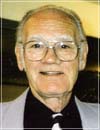
Scott Richardson

Forget Not All His Benefits

Psalm 103:1-11
Scott Richardson June, 22 1997 Audio
0 Comments

Sermon Transcript

Auto-generated transcript • May contain errors

100%
Turn with me to the Psalms. Psalm of David, 103. 103rd Psalm,
Psalm of David. And David begins this psalm with
praise of God. He said, Bless the Lord, O my
soul, and all that is within me, bless
His holy name. Verse 2, Bless the Lord, O my
soul, and forget not all his benefits. Bless the Lord, O my soul. Well,
because himself, David, and all men like David were insufficient
to offer up praise to God, answerable to the greatness of His benefits. He summons, in the end of this
psalm here, He summons the angels and all the creatures on the
face of the earth to join Him in blessing the Lord. And bless the Lord, ye His angels that excel in strength, that
do His commandments, hearken unto the voice of His Word. He
summons the angels to join Him in praising God, in thanking
God. And verse 21, He said, Bless
ye the Lord, all ye his hosts, ye ministers of his that do his
pleasure. Join with me, King David said. Join with me. I cannot in myself
give unto him the praise and worship that do him. I cannot do it because of the
insufficiency of myself. So you join me. Bless the Lord,
all His works in all places of His dominion. Bless the Lord,
O my soul. You see, you and I, when I say
a man, I mean you and I. I mean men, women, boys and girls. I mean members of Adam's fallen
race. A man is too shallow to comprehend
the excellency of God. He is so dull a creature to offer
up due praise to God Almighty in regard to the excellency of
his nature. and in regard to the great benefits
that he receives from the bountiful hand of God. He is so dull, he is so senseless,
he is so ignorant that he cannot recognize the
excellence of the nature of God. the true and the living God in
all of His splendor, all of His majesty, all of His might, all
of His power. We are so prone to forget Him
that healeth all our diseases and get on with something else.
We are apt to forget His blessings and His mercies And our souls
must be jogged, our memories must be jogged, must be roused
up. We need to be constantly roused
up to do what we ought to do, to give unto God what belongs
to Him, praise and honor and glory. You wouldn't think that
you and I being If we are recipients of life eternal, if we've been
delivered from the pit, if our lives have been delivered from
being destroyed, if God has given us a lively hope, a good hope
in Christ Jesus unto eternal life, if we have wrestled with
this blessed truth of who the Lord Jesus is and what He comes
to do, and we have some idea of it. And we feel like that
we've received this dear man, the God-man, received Him as
our Savior. You wouldn't think that we'd
be so easy to forget. That's the reason He instituted
the supper of the Lord. And He said, as often as you
do this, you show forth my death till I come again." He said,
when you do this, this do, he took the bread, this unleavened
bread, he took that bread and blessed it and break it. He took
the wine and he blessed the wine and he gave it to the disciples
and he ate of the bread and drank of the wine. He said, this do,
and as often as you do, you show forth my death until I come. We've got to be reminded. We've got to have our memories
and our souls roused by the Word of God. Remind, because we're
insufficient in ourselves to remember. We get carried off
with other things. We concentrate too much on what's
going on now. roused up. He said, bless the Lord, O my
soul, and all, notice that, and all that is within me. And he calls upon the angels,
He calls upon all the hosts, the army of the hosts of heaven. He calls upon the ministers.
He calls upon all His works in the places of His dominion. Join
with Me, He said, and all that is within Me, that is, every
power of My rationality, every part of My sensitivity, all my
faculties, all my thoughts, everything within me. Let us bless the Lord,
O my soul, and all, all that is within me, every part of me. Join and bless His name. God will be blessed. God will
be praised. We need to praise Him now. We'll
either bow now or we'll bow some other time because we're all
going to bow. Every knee shall bow and every
tongue shall confess that Jesus Christ is the Lord of glory. They're all going to do that.
If you bow now, I bowed. I bowed to it. Not because I'm smarter than
anybody else. I bowed to Him because God visited
me. Not literally, I had no vision,
but I became conscious. I became aware of my needs as
a sinner. And He revealed unto me that
my needs are all met in Him who has sent. So I bowed to Him. I only did that which all men
shall do sooner or later. That's all I did. I bowed to
it ahead of time. All men will bow to it, see.
Ever need, ever need. Just think of that vast multitude
of all the peoples who were ever, who ever walked the face of the
earth. All the babies that ever died. Altogether they are all
going to bow. They are going to do something then that
they should have done now. Praise Him. I want to praise
Him. My desire is to praise Him, to
thank Him, to live in such a manner that I wouldn't offend His honor,
that somehow I could glorify His name. I don't think I have. I don't think that I've ever
done anything in my forty-some years to glorify Him. Nothing. I haven't done anything
that's worth mentioning. Nothing whatsoever. But I long
and live for the day. that God will produce in me a
minute of praise, a minute of pure love for Him and Him alone. Maybe He will. I don't know.
We seem to be void of a pure and entire love to God Almighty. We have no mind for it for some
reason or the other. I know what we want will spur
us to prayer, won't it? When we want something. When
somebody's sick in our family, we'll pray, won't we? Oh, Lord,
have mercy on so-and-so. I told you that I talked to a
fellow just recently that I've known for some time. Not known
him in it, but I just knew what his name was, and knew he had
a couple of boys, and knew what their names was. I never spent
more than five minutes at one time conversing with him about
anything. But I happened to own him, and
he told me. And he told me, he said, I said,
how you doing, all right? Yeah, I'm doing okay, he said,
but he said, I've been very I've been very weak in the last several
months. I don't seem to have strength."
And he said, they finally talked me into going to the doctor,
and they said I had cancer of the lung. And he said, in three
weeks from today, I'll have this lung taken out. And I said, well,
I certainly am sorry to hear that. I'm sorry. I'm sorry for
you. And he said, when we started
to part our ways, he said, pray for me. Pray for me. When we want something, we'll
seek His face, won't we? Won't. We'll spur us. We'll rouse us up to seek the
face of God. Well, a good example, I'm going
to give you a biblical example of what I'm trying to say. The Israelites, it was down there
in Egypt, You know how they got there.
And they stayed there 400 years. And they were slaves. I mean
they were slaves. They were slaves of the Egyptians.
The Egyptians didn't do anything. The Israelites done it all. And
they was down there for 400 years. But you know the story how God
spoke to Moses in the burning bush and told Moses to go tell
peril to leave my people go." And he wouldn't do it. He wouldn't
do it. He said, thumbs down on that
idea. I'm not going to lose this cheap
labor. We're not going to build these
great big monstrosities that we're building down here. I'm
trying to think of the name of them, pal. What are they? Them
big pyramids. We're building these big pyramids
and we need all the help we can get. We need some fellas to mix
the mortar, carry the stone, cut the stone, and all those
things. Unheard of. I'll not let them
go. Who sent you? He said, Well, I am that I am
hath sent me. That's God. God spoke to me out
of the burning bush, and the bush wasn't consumed, and He
sent me. Well, He wouldn't let them go.
He wouldn't let them go. But God undertook for those children
of Israel. They were His nation. He had
set His affections upon them. He had called them out of the
earth, the Chaldees from the loins of Abraham, set them apart
from every other nation on the topside of the earth. And He
came to blows for them. And His judgment fell upon these
Egyptians, and He Himself, by His own hand, totally defeated
Pharaoh and his army. And He drowned them and their
proud hopes of victory in the Red Sea. And He said, These people
will never bother you again. That's what He said. All right? Instead of being thankful,
the Israelites, in bondage for 400 years, God came down. They wouldn't listen to His word,
the Egyptians, so He went to blows with the Egyptians and
drowned them all, every one of them, instead of them being thankful. Now, the Bible says, that they
lightly esteemed the rock of their salvation. They lightly
esteemed God who delivered them. How could that be? Well, you
see, brethren, it's what I'm trying to say. We need to be
roused up. We're insufficient unless we're
roused up. That's the reason we have service
three times a week. the Word might be preached, and
our hearts might be reminded of who God is and what God has
done for us. We can offer Him up sacrifices
of praise and thanksgiving. Well, they lightly esteemed the
rock of their salvation. Instead of being thankful for
breaking the yoke that bound them in captivity, they were
angry with God. They got angry with the God of
all goodness. As a matter of fact, they repented
that they had ever complied with Him for their own deliverance. They regretted that they had
been brought out of Egypt. And they were angry that they
were free men. And they wanted to return to
the oppression of the tyrants of Egypt. Isn't that right? I'm telling you the history,
the story. It's a biblical illustration
of what we are. We soon forget. We are as brands
snatched from the burning. But we soon forget the burning.
And we soon forget who snatched us from the burning. And we've
got to be roused up in order to give unto our God praise. All that is within me. Bless the Lord, O my soul, and
all every part of me. They wanted to return to these
tyrants of Egypt. rather than have God for them
as their governor and eat the manna that came from the bountiful
hand of God. Let me read something to you
over here in the book of Numbers. Chapter 11 and verse 18. Listen to this. Chapter 18, verse 18, ìAnd say
thou unto the people,î this is God speaking to Moses, ìsanctify
yourselves against tomorrow, and ye shall eat flesh. For ye
have wept in the ears of the Lord, saying, Who shall give
us flesh to eat?î Now listen to this. This is what they said. For it was well with us in Egypt. Everything was all right down
in Egypt. At least we got some food. And then they come on down here
in the 21st. But even a whole month until
it comes out of your nostrils. I'm going to give you food. Not
for one day, five days, two days, ten days, or twenty days. But
I'm going to give you meat for one whole month until it comes
out of your nostrils, and be it loathsome unto you, because
that ye have despised the Lord, despised God which is among you,
and have wept before Him, saying, Why did we come out of Egypt? Why did we do that? they lightly esteemed the rock
of their salvation." All of this, brethren, is high contempt for
God. Now, after the psalmist had called
the angels and the army of the host and everything that wiggles
and moves to join with him And to call forth their souls and
His souls unto the praise unto God, He sets forth the divine
blessing of God that He, that is, David, had received in verse
number 3. Listen to this. Bless the Lord, O my soul. Join
me in this. And after he says we ought to
bless the Lord and forget not His benefits, and he says, Who
forgiveth? Who forgiveth all thine iniquities? Who healeth all thy disease? That is, His redemption from
death or destruction is what he's talking about. Who forgiveth
all of our iniquities, healeth all of our disease. all your iniquities." What he's
talking about, he pardoned all their sins. David said, He hath
pardoned all my sins. Oh, we know David was a godly
man, and he ruled wisely in most cases over the children of Israel. But there was a time when David
wasn't that wise. There was a time when David He
took Bathsheba unto himself. Uriah, the wife of Uriah, believe
it was, he took his wife and he sent Uriah down to battle. And he told Joab, the captain
of the ark, he said, put him up there on the hottest in the
most dangerous part of the battle. Put him up there. He wanted him
killed. David, David, who's singing here? Who's singing here? Bless the
Lord, they said. Oh, my soul. Oh, bless his holy
name. David said, have him killed. They come to
David and they said, David, I'll tell you a little story
here. He said this man only had one little old lamb. That's all
he had. And his neighbor over here had
a whole field full of them. But this man only had one, and
his neighbor came over and took that lamb. He took the lamb and
said, I want him, and he took him away. And David immediately
said, Oh! He said, the man that does that,
I'll have his head before the night falls. Who is he? And Nathan the prophet went to,
pointed at old David, and he says, You're the man. You're
the man, David. You took Bathsheba. You had all the women you could
handle. And you took her. You're the
man. David committed adultery with that woman. David premeditated
murder in regard to her husband, had him killed and all that.
And God said, The sword shall never depart from thy lines any
more. Now on. It's trouble from you
from now on, David. But anyhow, David says, Who forgiveth
all thine iniquities, all of them. All of David's sins and the penalty
due to his sins was laid on the surety, was laid on the Lord
Jesus Christ. And he says, God of all mercy
hath forgiven us all of our iniquities, who forgiveth all our iniquities,
and healeth all of our diseases. Listen to me now. Healed our
diseases, that is, the disease of our soul. I know that these
Pentecostal people, right here they say, well, he heals all
of our disease. So all of our diseases is in
the atonement, and we ain't supposed to be sick. Ain't nobody supposed
to be sick. Nobody's supposed to be sick.
It's because we don't have faith to believe or something, but
nobody's supposed to be sick. Well, that's not right. He's
not talking about physical ailments. He's talking about the disease
of the soul. We're sinners. And sin is a loathsome
disease and it must be healed. And that's when it was healed.
It was healed on the tree. It healed us of our sickness
and loathsome disease of sin. Oh, we still sin. But it's not
charged to us. All of it was laid on Him. Who
forgiveth all thine iniquities. Now listen to this. He expected
even glorification. And this is several hundred or
thousand or more years before the coming of the Lord Jesus
Christ. But He believed the promise. And He expected glorification
because He says, Who redeemeth thy life from destruction, save
thy life from being destroyed, who crowneth thee with lovingkindness,
and tender mercies, who redeems our life from destruction, crowns
us with all these mercies. Oh, my soul, all true blessings. Can you get this, brethren? All true blessings grow up from
the pardon of sin. Forgiveth all iniquity. This
is the first blessing. This is the top and the crown
of all others. It sweetens all other blessings
when we come to that place that by faith, by faith, we trust
in Him as our sin bearer, that our sins are all gone. The most
blessed thing that I know of to my poor soul here this morning
is that I'll never be judged for my sins. I'll never. Isn't that something? Wonder
of wonders. I'll never be judged for any
iniquity, transgression, sins, universal or personal, sins of
word or thought or deed. I won't be judged. He hath forgiven
me on the ground of a substitute. He stood in my place. And what
my sins deserved, He bore in His own body. So I am ever indebted
and grateful to the God-man who forgiveth all thine iniquities
and healeth all my diseases. All gone, all gone. Oh, listen,
when sin is pardoned, The soul is renewed in verse 3, "...who
forgiveth all thine iniquities, who healeth all thy diseases."
Now, when He heals all of our diseases, our guilt and our shame
is remitted, or it's gone. The deformity and the sickness
of the soul is cured. And another thing He says here,
that God is the sole sovereign author of all spiritual blessings. Who? Look at that word there. Who? Who? Who's who? Who's who in the twentieth
century is still the King of kings, the Lord of lords. Who
is he talking about here? It's God! God! Who forgiveth all thine iniquities? All of them. And notice now,
the writer here, the sweet singer of Israel, David the King, he
refers all to God. Nothing to himself. Nothing in
regard to his own merit, in regard to his own strength. All. Not the pardon of one's sins. is merited by me," the king says,
not of the millions and millions and billions of sins that a man
commits in a lifetime and the sins that David had committed.
He said, not one and not the pardon of one sin that I have
committed do I accredit to myself. Oh, I have not a cured one disease
by myself. I do not owe it to my power or
to my strength or to my free will. He, God alone, He alone
is the prince of pardon. He alone can give pardon, everlasting
pardon. He alone is the physician that
restores me. He alone is the Redeemer that
delivers me. How evil and how wrong it is
for you and I to attempt to divide the praise between God and ourselves. Let's give God all the glory. He did it all. Who forgiveth
all thine iniquities and healeth God in Christ Jesus our Lord? All right? Another thing is said
here, is when sin is pardoned, the punishment that's due it
is remitted. When sin is pardoned, the punishment
due sin gets my sin, it's remitted. It's gone. Because the punishment
fell on Him. It's not that God compromised
His holiness. He didn't compromise. The only
way that God can be just, the only way that God can live with
me and live with you, is that sin must be punished. And so
He sent His Son, His Son in the womb of a virgin. become a man,
took upon himself human flesh, a man. And as a man, sinless,
from the cradle to the grave, no sin charged to him, only our
sins. Our sins was transferred to him. And he paid what we owed. He
paid all that we owed, took all the punishment that was due us
as sinners, He was punished in His own body. When sin is pardoned, the punishment
due, it's remitted. Who redeemed our life from destruction? And let me tell you this before
I quit. When sin is pardoned, it's perfectly pardoned. Perfectly. Look down there in verses 12
and 13. He said, verse 11, For as the
heaven is high above the earth, so great is His mercy towards
them that fear Him. Now, in the Old Testament, the
word fear means faith. Under that legal economy of the
Old Testament, under the law, they used the word fear. But
it means faith. So great is His mercy towards
them that fear Him, that have confidence, that have faith in
Him. Now listen to this. I said to you that man's sins
are pardoned, perfectly pardoned, perfectly pardoned. We'll never
rise up against Him in judgment. I'm telling you, you talk about
good news. that Christ died in my stead
and place and room, bore the penalty due me in his own body,
covered me with righteousness, made me accepted in the Beloved,
and I'll never stand in judgment for my sins. Don't tell me that's
good news for me. You may not be a sinner. I don't
know. I'm a sinner. I'm a sinner from the top of
my head to the bottom of my feet. There's no soundness in me. I'm
full of bruises and putrefying sores. I need help more than
human invention can give me. I need divinity. I need God to
help me. That's how bad I am. I'm so bad
I can't be good. He took my sins, pardoned them
perfectly, see? Well, as the heaven is high above
the earth, so great is his mercy towards them that fear him. That's
a long distance there, isn't it? Now, as far as the east is
from the west, so far hath he removed our transgression from
us. Oh, listen, the east and the
west are the greatest distance in the world, the east and the
west. The two can never meet together.
East and West can never meet together. Couldn't the United
States when they laid the railroad from the East and they started
in the Pacific in California and started towards the East,
and the East and the West met. But in space, the East and the
West can never come together. Never, never, never. So when
sin is part, forgiven by God, it's never charged again. You're
never charged with it again if it's pardoned by God. It's all
gone. It's forgotten about. He made
an end of it. He's cast it as far from the
East as it is from the West. And these two can never meet. The guilt of our sin and the
guilt of our shame of what we are can no more return than the
East can become west, and the west can become east. Oh, this don't help you nothing. Oh, listen. The God who has none
above Him, He's the one who said this. God is the highest you can get. There's no higher than God, supreme
authority. There's none below Him that can
resist Him. He said, Who art thou, O man,
that replies against God? He said in another place that
the armies of heaven cannot say unto Him, What doest thou? or
resist His hand. His arm is not short that it
cannot stay. Ah, listen. None can control Him. None can
control God. None can resist Him. And that's
what He's saying. Listen, if all the peoples in
the whole wide world would come down here to this little old
place in West Virginia this morning, Line up as far as they can find
and come by and shake your hands and say we pardon you for everything
that you've ever done that has been done to you. What would that mean if God would
withhold His pardon? What would that cross of sin,
would cross it out to us? Well, what more can I say than
I've said? I don't know anything more to
say. Read some more here if you want
me to. He said, Like as the Father pities
his children, so the Lord pities them that fear him. So the Lord
pities them that believe in him. For he knoweth our frame. He
knows our frame. He remembers that we're dust.
You see, when He created Adam, He created him out of the dust.
There wasn't nothing before Adam. And He created the dust. And
the dust came from nothing. See? He remembereth that we are
dust. And David says, Oh, the shortness
of life. He said, As for man, his days
are as grass. I just mowed my grass. I mowed
some of it Friday. And Saturday, where it was a
little bit high, all that lay up there was dead. And I went
along with my hand and just scooped it up like that. Dead grass.
As for man, his days are as grass. That's shortness of life. He
ain't here very long. I've been here almost 74 years
and it seemed like nothing. It seemed like yesterday when
I came here and started in the fifth grade. Yesterday. And it's gone. His days are as
grass as the flower of the field. He flourisheth, ah, for the wind
passeth over it. And it's gone. That's how short
it is, Pat. It's gone. and the place thereof
shall know it no more." Oh, He comes and takes us from our employment,
from our friends, from everybody. The shortness of life. Oh, my
soul. But listen, He increases His
confidence in God by saying this. He said, Now I know how short
my life is. But he said, The mercy of the
Lord is from everlasting to everlasting upon them that believe in him,
and his righteousness unto his children's children. The Lord
bless us. Let's stand. We'll meet again
this evening.
Scott Richardson
About Scott Richardson
Scott Richardson (1923-2010) served as pastor of Katy Baptist Church in Fairmont, West Virginia.
Broadcaster:

Comments

0 / 2000 characters
Comments are moderated before appearing.

Be the first to comment!

Joshua

Joshua

Shall we play a game? Ask me about articles, sermons, or theology from our library. I can also help you navigate the site.