Bootstrap
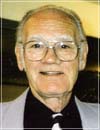
Scott Richardson

The Rock and The Rod

Numbers 20:1-12
Scott Richardson August, 25 1991 Audio
0 Comments

Sermon Transcript

Auto-generated transcript • May contain errors

100%
I was going to talk to you from
the book of Numbers chapter 20, primarily about the rock and
the rod. The rock and the rod. Numbers chapter 20. Let me read a few verses here to
you from the 20th chapter, beginning at verse 1. Then came the children
of Israel. Even the whole congregation,
that's 600,000 voices. That's a big crowd, isn't it? That's a bigger crowd than we'll
ever have. We may have the 60 or the 6, but we'll never have
the 600 or the 600,000. Children of Israel. even the whole congregation,
into the desert of Zion in the first month. And the people abode
in Kadesh, and Miriam, that's Moses' sister, died there. Three prominent figures in the history of the Israelites
are Moses and Aaron, his brother, and Miriam, his sister. And did
you know that all three of them never re-entered the land of
Canaan? Miriam died, and in the same
chapter Aaron died, and shortly after that Moses went upon the
Mount of Pisgah, and God prepared a burying place for him, and
God buried him. Let him see the land, but he
couldn't go across. Significant. Three important
people in the history of the Israelites, these three. Miriam
died there and was buried there, short and sweet. Didn't say she
belonged to this club, that club, and all of her achievements were
not Underlined, like the obituaries that we read now of those that,
of our friends, die, every significant thing that they've done or achieved,
every degree that they've accomplished, is all down here. See, as if,
as if that did something by way of recognition
before God. Over here in the Old Testament, which talks about
so-and-so, he lived to be so many years old, and he died. And he begat, she begat, and
he begat, and he begat, but they died, they died, they died. Whole
chapter, he died, he died. Short obituaries. Miriam died
there and was buried there. There's no water for the congregation,
600,000 of them, no water there. And they gathered themselves
together against Moses and against Aaron. They couldn't get to God,
so they got to God's representatives. This is the nearest that they
could get to God. So they're going to take their
vengeance out on God's representatives, Moses and Aaron. And the people
chode with Moses and spake, saying, Would God that we had died! That's
how appreciative they were from being delivered from the brick
kilns of Egypt by God Himself through this man Moses. Would
the God that we had died when our brethren died before the
Lord! And why, speaking now to Aaron, why have ye brought up
the congregation of the Lord into this wilderness? that we
and our cattle should die there. And wherefore have ye made us
come up out of Egypt? Made us come, you made us come
up out of Egypt. Here they were crying out, oh,
give us some relief. We need some relief. We're working
fourteen, eighteen hours every day making brick out of straw
and mortar. Don't have enough to eat, just
eat these. leeks and onions and garlic and
man, raise up somebody to deliver us. Wherefore have ye made us
to come out of Egypt, to bring us into this evil place? It is
no place of seed, or of figs, or of vines, or of pomegranates,
neither is there any water to drink." That's their complaint. They complain. 600,000 voices
in unity, strong, complaining unto Moses and Aaron. You'll find out, I believe, in
reading this chapter, that at this particular time it was a
deep trying moment for the spirit of Moses to hear himself being
charged all of this misfortune so-called that had fallen upon
the children of Israel. What it must have been to come
face-to-face with 600,000 complainers and murmurs. It is
beyond our conception to understand the feeling that Moses had at
this particular time. Well, it tells us here that Moses
did not make a reply at that particular time, but Moses sought
out the living God. Moses immediately went from the
presence of the assembly unto the door of the tabernacle of
the congregation, and there they fell on their faces. Now, if
we, like him, would follow Moses, if Moses
could be our example, when we have trials and troubles and
difficulties and things that we cannot, problems that we cannot
solve, if we would be like Moses, we could have, I believe, the
same comfort that Moses had, the comfort of the living God. And I think that if a man will
do that, now, there is going to be some testing, some wilderness
wandering for this people. And this people is a type of
the people of God in the New Testament. And all the people
of God, whosoever they might be, all have a time of testing. We're all being tested. And you'll find out in your time
of testing. If you'll submit yourself unto
the living God, you'll find out who God is. He'll prove himself
equal to every emergency, and he'll prove that he's sufficient
for every condition and every circumstance. He'll prove that
his faithfulness never fails. He'll prove that his mercy is
from everlasting to everlasting. Now, you know, friends fail and
pass away. Unions of friendship snap and
come asunder in this cold, heartless, difficult world. Close friends
part company. Miriam's and Aaron's die. But God remains the ever-living,
merciful, loving, kind God. But God remaineth still, always
faithful, always faithful to his chosen. I believe that the
deep secret of true blessedness and true happiness is if we have
the hand and the heart of the living God with us. We need not
fear. And we can cry with David, the
beloved, the Lord is my shepherd, I shall not fear. Oh, the Lord
is my shepherd, I shall not want. It says in this sixth verse that
Moses and Aaron went from the presence of the assembly, 600,000
strong, voicing their complaint and murmuring against Moses and
Aaron as if Aaron and Moses had contrived a scheme to bring them
out of the bondage. that they were enslaved under
down in Egypt. They thought or acted as if it
was Moses' idea. It was of God. Moses and Aaron
were merely spokesmen. They were the conduit. They were
the means to bring about the eternal purpose of God and means
to be a blessing to these children of Israel. Well, anyhow, it says,
that they went from the presence of the assembly unto the door
of the tabernacle of the congregation, and look what happened to proud
men. No, they was not proud men. They knew from whence they came. They knew from the rock from
which they were digged. They fell on their faces. They
fell on their faces. And that's the only time that
God will ever speak to a man in grace is when a man's on his
face. I'm not talking about literally.
I'm not saying that you have to run around with your nose
on the ground all the time. But there is a spirit of humility,
a spirit of humility that recognizes a man's nothingness in the sight
of God. His value in the sight of God
is nothing, is nothing. God doesn't need him and can
pass him by if he wants to. And if a man ever gets shut up
to that, he'll do like Moses and Aaron did. It says, "...and
they fell on their faces." They fell on their faces. When God
appeared unto Abraham, it says that when Abraham was on his
face, that God said, I will do this, I will do that. I'll make
you a great nation. I'll give you this land. I'll
cause your sea to outnumber the stars in the sky. This is what
I'll do for you, Abraham." While Abraham was in the dust, Moses
was in the dust, and they fell on their faces. And what happened?
The glory of the Lord appeared unto them, the glory of God. He revealed himself unto them. What is the glory of God? It's
what God can do and no one else can do. That's the glory of God.
Wait, you find anything, anything that a man can do? You find anything
that God can do that a man can't do? That's the glory of God. Oh, He showed His glory unto
them. Oh, listen, the glory of God
appeared unto them. Now, I'll tell you this, He can
never fail. a trusting heart. That is, God
will never fail a man who trusts Him, who believes Him, just to
simply believe God and what God says. God will not fail that
trusting heart. The Lord appeared unto them. Now, they did not, I don't think,
attempt a reply to the people at this time. because it says
they went from the presence of the people and cast themselves
upon the living God, and they could have possibly done no better. There wouldn't be a better place
to go than to cast yourself upon the living God. Instead of making
plans, instead of doing this and doing that, they just cast
themselves at the feet of God and say, you're going to have
to solve this problem for us. Who but the God of all grace
could meet the 10,000 necessities of wilderness life or the wilderness
wanderings of these Israelites. One other time Moses said before,
he said unto God, he said, If thy presence go not with us,
carry us not up to hence. Don't carry us over there if
you don't go with us. He cannot fail a trusting heart,
can he? He never grows weary, that is
God. He never grows weary in meeting
the needs of His people. He doesn't get tired. You don't
overtax God. Oh, if this was only kept in
our hearts and in our minds, there'd be less impatience and
less discontentment manifested in our lives and more and more
thankfulness and thanksgiving and praise from our lips unto
God, this desert life. We're in the desert. This world
is a desert. We're strangers. We're strangers,
sojourners. We're passing through. We're
going to fulfill the eternal destiny and purpose of God for
His people. One day we're going to be with
Him. Our Lord said, He said, if you believe in God, believe
also in me and my Father's house. I go, I'm going to do something
for you. And when I come again, I'll receive
you unto myself to where I am. That's where you're going to
be. These people were on the road to Canaan, the land of milk
and honey. We're on the road to Canaan,
the land of milk and honey. And Moses turned to Jethro, the
high priest. of the Midianites, a heathen.
And Moses turned to him and he said, Jethro, come thou and go
with us and we'll do you good for God's with us. And Jethro,
talking about a choice, he made a choice. He said, I won't go. I won't go. He said, I've got
other fish to fry and I won't go. And he didn't go. Desert
life. test us all. We're in the desert.
Well, I'll tell you, the trials and troubles come upon us. They're
all in God's providential making. There's not such a thing with
God as an accident, something that God doesn't know about.
I mean, He's the author All the events here in time, He decreed
it. He decreed it. This desert life, it tests us
all, and I'll tell you what it'll do for us. It'll prove what's
in us. It'll prove whether there's any
true faith in us or not. Thanks be unto God, it does not
only prove what's in us, but it brings out. What is in Him
for us? The God of all grace. The God
of all grace. Two things here that need to
be brought to our attention, I believe, and I've already mentioned
these, and they are the rock and the rod. The rock and the
rod. When he fell on his face and
the glory of God appeared unto him, the Lord spake unto Moses,
and he said this, Moses, take the rock, and gather thou the
assembly together, get all these people together, thou and Aaron
thy brother, and speak ye unto the rock before their eyes."
Speak to the rock before their eyes. Just speak to the rock.
and it'll do something for you. Speak to the rock, and it shall
give forth his water, and thou shalt bring forth to them water
out of the rock. So thou shalt give the congregation
and their beast drink." Speak unto that rock. Now let's settle
it once and for all here and make this rock to be what it
pictures, not left to the idle thoughts of our imagination.
But over here in 1 Corinthians chapter 10, I believe it is,
and verse number 4, the apostle Paul makes reference to this
rock, and it says, all were baptized unto Moses in the cloud and in
the sea." That is, when they came across, the sea had walled
up on each side of them, and the cloud hovered over them.
So it was a picture of a burial. They went through on dry land. Wall of water here, wall of water
there, and a cloud there. They were baptized into the sea.
That's what he said. They were all baptized unto Moses
in the cloud and in the sea. and did all eat of the same spiritual
meat." Now listen, "...and did all drink the same spiritual
drink, for they drank of that spiritual rock that followed
them, and that rock was Christ." In time, in time, this rock,
this rock that Moses is to speak to was a rock that was already
smitten. He didn't tell Moses to smite
the rock. He told Moses to speak to the
rock, and out of that rock will come refreshments evermore for
the beast and the people of Israel. Well, they drank of that spiritual
rock, and that rock was Christ. That's plain and that's positive,
and as I said, it leaves no room for the imagination. That rock
was Christ smitten for us. Now, in regard to the rod, listen
to this. Verse 9, Moses took the rod from
before the Lord as he commanded him. Now, you've got to remember,
that this rod that is taken here is not the rod of Moses. The
rod of Moses is a rod of authority, rod of authority. If you look
back there in the, well, in the book of Exodus, let me see if
I can find it real quick. When God spoke the seventh chapter
of the book of Exodus, let me read a few verses to you so you
get some idea of this rod of authority. And you'll see that
there's a difference between the rod of Moses and the rod
of Aaron, who was the high priest. And the Lord said unto Moses
in the seventh chapter, "'See, I have made thee a god to Pharaoh.'"
Pharaoh. I always want to say Pharaoh.
I don't know where I get that at. Pharaoh said unto Moses,
"'See, I have made thee a god to Pharaoh.'" I made thee a god. You're like a god unto him, giving
you authority, I've given you power, Moses." And he said, Aaron,
thy brother shall be thy prophet and your priest, your mediator.
Moses said, I can't talk, I've lost that ability, that He flew
inside to speak, that gift to speak and to convince. So I've
lost that. I've been out in the wilderness
for 40 years, back there in the backside of the desert. I can't
talk to him. He said, I'll send Aaron with
you. He'll do the talking. He'll do the talking. He shall
be your prophet and your priest here. And thou shalt speak all
and I command thee. And Aaron thy brother shall speak
unto Pharaoh, that he send the children of Israel out of the
land. Verse 9, it says, When Pharaoh shall speak unto you,
saying, Show a miracle for you, then thou shalt say unto Aaron,
Take the rod, Moses' rod, take that rod right of authority,
cast it before Pharaoh, and it will become a snake. And that's
what he did. It says they did that, and verse
11 says, Pharaoh also called the wise men and the sorcerers,
the magicians of Egypt, They also did in like manner with
their enchantments. They duplicated this act. For they cast down every man
his rod, and they became serpents, and the place was full of snakes.
But the rod of authority, the rod of authority. But Aaron's
rod swallowed up their rod. See, rod of authority, authority,
you remember that. You've got to remember that it
was not the rod of Moses, the rod of authority, the rod of
power. That would not suit the occasion,
because the rod had already done its work. Prior to this, they
were thirsty, and God said, smite the rock. And Moses smote the
rock, and that rock was Christ. And Christ is only smitten one
time. It's not to be repeated over
and over and over and over and over. It's smitten one time.
Do you remember that? Would not suit the occasion because
the rod of power had already smitten the rock. And the rod of power has smitten
the Lord Jesus Christ who had no sin but was made sin in our
behalf. that we might become the righteousness
of God in him. What took place? When he said,
My God, my God, why hast thou forsaken me? What took place? Well, this is what took place.
The justice, inflexible justice, the awesome holiness of God that
cannot look upon sin. that cannot save a poor sinner
at the expense of his holiness, at the expense of his justice,
he said, I will by no means clear the guilty. God will not compromise
his holiness to save any sinner. His holiness, his justice must
be satisfied. The rock must be smitten. Justice
demands punishment for the sinner. And God punished the sinner in
the Lord Jesus Christ. So, the work has been done, the
atonement has been made. The question of sin has been
settled 2,000 years ago when God poured out His wrath upon
the Lord Jesus Christ. And Jesus Christ said, My God,
my God, why have you done this to me? Why have you forsaken
me? That's why it made him to be sin. Oh, listen. It had smitten her off once,
and that made satisfaction. And when our Lord Jesus Christ,
in our stead, in our place, in our room, bore the punishment
that was due us as sinners, that satisfied God, satisfied the
holiness of God. That's the reason God raised
Him from the dead, because He is satisfied, the work's accomplished. All that's needful and necessary
for our redemption has been taken care of. The sin question, the
question of sin has been punished. Righteousness has been established
and imputed to us, and we're accepted in the Beloved before
God, and God loves us like He loves His Son. All established. You look over here, Exodus chapter
17, if you will. Seventeenth chapter. I ought
to read something to you here. Moses cried out unto the Lord,
and said, What shall I do unto this people? They be almost ready
to stone me. And the Lord said unto Moses,
Go on before the people, and take with thee of the elders
of Israel, and thy rod." The rod of power, the rod of authority.
"'Wherewith thou smotest the river, take in thy hand, and
go.'" Take that rod and go. Now listen, it says, "'Go before
the people, take with thee the elders of Israel, and thy rod,
The same rod that you smoked the river with. Why the river? Why the river? Why did he bring
this up? Look with me at Exodus chapter 7. Exodus chapter 7. You'll see why he mentions the
river here. Exodus chapter 7, verse 17. Thus saith the Lord, In this
thou shalt know that I am the Lord. Behold, I will smite with
the rod that is in thine hand," the rod of power, the rod of
authority, the rod of vengeance, "'upon the waters which are in
the river.'" All the water, every ounce of it, every drop of water
that was in the rivers, "'and they shall be turned to blood.'"
All water in the rivers was to be turned into blood, because
Moses took the rod and smoked the river, and it turned into
blood. It was the rod which turned the
water into blood. And that was to smite that rock,
and that rock was Christ. And when He was smitten, the
blood poured forth from his head, poured forth from his side, poured
forth from his wounds, and his blood was shed. He suffered even
unto death. And without the suffering of
death, without the wages of sin is death, without the suffering
of our Lord Jesus Christ, the shedding of the blood, there
is no remittance or remission. of sins. That rock was Christ,
smitten in order that streams of life and refreshment might
flow from that rock to us. Now, the smiting of that rock
could only take place one time, never to be repeated. Let me
read something to you in Romans chapter 6 here. Romans chapter
6, 9 and 10, it says this, knowing that Christ being raised from
the dead, He was delivered for our offenses, raised again for
our justification, our acceptance before God. All right, knowing
that Christ being raised from the dead doth no more, doesn't
die more, knowing that Christ, being raised from the dead, dieth
no more." He doesn't die again. It's not to be repeated. Now
listen, "...death hath no more dominion over him. For in that
he died, he died unto sin once. But in that he liveth, he liveth
unto God." And then, over in the book of Hebrews, chapter
9, is another verse you ought to read. Hebrews chapter 9. Verses 26 through 28, it says,
For then must he often have suffered since the foundation of the world,
but now once, once in the end of the world, hath he appeared,
the Lord Jesus Christ appeared, he came on the scene, he entered
into human history, he appeared to put away sin, how did he do
it? By the sacrifice of himself. He that knew no sin, the value
of that sacrifice, he knew no sin. And as it is appointed unto
men once to die, and after this the judgment, so Christ was once
offered to bear the sins of many, not all, to bear the sins of
many. And unto them that look for him
shall he appear the second time without sin, unto salvation."
Well, there can be no repetition, then, of the death of Christ. Moses was dead wrong here in
Numbers chapter 20. He is dead wrong. He was told
to take Aaron's rod, the priestly rod, and he was told to speak
to the rock. God didn't tell him to speak.
He said, the rock has already been smitten. Christ has already
died. He said, you speak to the rock now. You speak to the rock.
You see, the atoning work of the Lord Jesus Christ is done,
it's finished, forever and forever. And now our great High Priest,
the Lord Jesus Christ, has passed into the heavens, there to appear
in the presence of God Almighty. For who? For us who believe. And the streams of this spiritual
refreshment, Flow to us from Him who ever lives on God's right
hand to make intercession for us. Listen. Flow to us on the
ground on the basis of an accomplished redemption in connection with
the priestly ministry of the Lord Jesus Christ, our great
High Priest. Oh, it was a big mistake. It
was a sad mistake for Moses. might to rock, just a word would
have done the job. Just a word of Aaron's rod, the
priestly rod of grace. But Moses failed to see it, and
he failed to glorify God. He failed to sanctify God in
the eyes of the people. I'll tell you what happened.
The consequence of his disobedience, the consequence of his unbelief,
prohibited him from going across the Jordan into the land of Canaan. You see, his rod, the rod of
authority and the rod of power, they couldn't take the people
over. There are 600,000 complaining people. That rod of authority
wouldn't even pay no attention to them. It's only by the grace
of God they'll ever get there. Nothing more, nothing less. But
here in this case, God took care of His own glory in that Moses,
failed to sanctify God in the eyes of the people, God took
care of His own glory. He sanctified Himself before
the people in spite of their complaints, in spite of their
murmuring, and in spite of that awful, sad mistake that Moses
made. The congregation received, even
though they murmured, even though Moses smoked a rock when he should
have spoke to it, disbelieve God Almighty, yet the grace of
God says, in that twentieth chapter of
the book of Numbers, says this. He said, Moses and Aaron gathered the
congregation together before the rock, and here's what Moses
said. Moses said, Here now ye rebels. Notice that word, we. Must we? Oh, he took on himself a lot
of authority. He couldn't make that rock do
anything. But he lined up and identified
himself, and he took an authority that didn't belong to him. Must
we fetch you water out of this rock? He's an angry man. Lifted up his hands, and with
his rod, he smoked the rock twice. He was already smoked once, smitten. And the water, notice the grace
of God, the water came out abundantly, and the congregation drank, and
their beast, listen to this, and the Lord spake unto Moses
and Aaron and said, Because ye believed me not, then believe
God. He said, Just speak to the rock.
They said, Well, for that's not much. Well, it may not be much
to you and me, but it meant a whole lot to God, and it meant a whole
lot to Aaron. and it meant a whole lot to Moses
because they were prohibited from going in to the land of
Canaan. They couldn't cross to Jordan
and go into the land of milk and honey, the land of rest.
Couldn't go. Why? Because he didn't believe God.
He said unto Moses and Aaron, Because ye believe me not, to
sanctify me in the eyes of the children of Israel, Wherefore,
ye shall not bring this congregation into the land which I have given
them." You won't bring them in. You're not going to see them
tonight. Well, you look over there, just turn over there to
the book of Deuteronomy, if you will. Chapter 34, I think about
the last page. Chapter 34, the book of Deuteronomy.
There's something about old Moses there. This is what it says, "...and
Moses went up to the plains of Moab, unto the mountain of Nebo,
on the top of Pisgah, that is over against Jericho. And the
Lord showed him all the land of Gilead unto Dan, looking over,
see, unto the promised land." He showed it to him. And he says,
the next verse, "...and all the land of Judah unto the utmost
sea, to the south, the plain of the valley of Jericho, to
the city of palm trees unto Zor. And the Lord said unto him, This
is the land which I swear unto Abraham, and unto Isaac, and
unto Jacob, saying, I give it unto my seed. I have caused thee
to see it with thine eyes, but thou shalt not go over thither.
And Moses the servant of the Lord died there in the land of
Moab, according to the word of the Lord, and he buried him in
the valley in the land of Moab over against Bethphior. But no
man knoweth of his sepulcher unto this day. And Moses was
a hundred and twenty years old when he died. His eye was not
dimmed, nor his natural force abated. And the children of Israel
wept for Moses in the plains of Moab thirty days. So the days
of weeping and mourning for Moses were ended." Well, let me tell
you this now, Quinn. It was the grace of God Almighty
that brought Moses to the top of Mount Pisgah and showed him
The land of Cain. That was the grace of God. The
grace of God. It was the government of God
that kept him out of the land. The government of God has to
do with this. It has to do with the fact that
whatsoever a man shall, that shall he also reap. That's the
government of God. But God didn't deal with him
in government here. He dealt with him in grace. And
He let him see the land. The land of Cain. And it was
the grace of God for God to provide a grave for his servant Moses.
And it was the grace of God for God to bury Moses there. It was
better for Moses, listen to me now, it's better for Moses to
see the land of Canaan in company with God than it was to enter
into that land in company with the children of Israel. God in
grace. brought Moses to Mount Pisgah,
and God in grace showed him that land, and God in grace dug a
hole for him, and God in grace buried him. The rod and the rock. The rod smote the rock. Christ on the tree was smitten
by God. God smote him on that tree. Who
else was involved? Nobody but God. Nobody but God. Does not the Bible say that it
pleased God to bruise Him? It pleased Almighty God to bruise
the Lord Jesus Christ. It pleased Him. He delighted
to bring the whip down upon Him. Why? Because He is made to be
sin. Sin must be punished. The sinner
can be saved. Justice must be satisfied. God
will not show mercy at the expense of His justice. Justice has got
to be satisfied. Jesus Christ has got to do something
for God before He can do anything for me. He's got to enable God
to be just and justifier of him that believeth in Jesus. God's
law has got to be magnified and made honorable. Our Lord Jesus
Christ did that. He obeyed the law inwardly and
outwardly, every jot and every tittle of it. He magnified that
law of God, made it honorable, and he died under the hand of
God to satisfy the justice of God against sin. And that's my
only hope this morning. My hope is built on nothing less. than Jesus' blood and righteousness. And I hope your hope is there,
too. I'll close. Some of you believe what I'm
preaching. I believe you do. If you believe it to the saving
of your soul, there's only one way you can confess it, and that's
in baptism. He that believeth and is baptized,
the same shall be said." You believe it? Won't you be baptized? Won't you confess that when He
died, you died? When He is buried, you are buried.
When He rose again, you rose with Him. You are seated in the
heavenlies in Christ. And Christ Jesus is all you need. All your needs are met in Him,
the sin-bearer. and our righteousness.
Scott Richardson
About Scott Richardson
Scott Richardson (1923-2010) served as pastor of Katy Baptist Church in Fairmont, West Virginia.
Broadcaster:

Comments

0 / 2000 characters
Comments are moderated before appearing.

Be the first to comment!

Joshua

Joshua

Shall we play a game? Ask me about articles, sermons, or theology from our library. I can also help you navigate the site.