Bootstrap
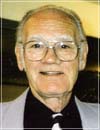
Scott Richardson

The Us and Thems

Isaiah 55:6-11
Scott Richardson November, 1 1987 Audio
0 Comments

Sermon Transcript

Auto-generated transcript • May contain errors

100%
To let him return unto the Lord,
and he will have mercy upon him. And to our God, for he will abundantly
pardon. For my thoughts are not your
thoughts, neither are your ways my ways, saith the Lord. For
as the heavens are higher than the earth, so are my ways higher
than your ways, and and your thoughts. For as the rain cometh
down, and the snow from heaven, and returneth not thither, but
watereth the earth, and make it bring forth and bud, that
it may give seed to the sower and bread to the eater, so shall
my word be that goeth forth out of my mouth It shall not return
unto me void, but it shall accomplish that which I please, and it shall
prosper in the things whereto I sent it." Well, this is the question, and
I think it deserves an answer. What is the difference between this church and other
churches. Is there really enough difference to warrant some of you going out of the
way at extra added expense, in a sense? accepting ridicule for doing
it. Now, some people do make the
extra effort to attend the church where the gospel of our Lord
Jesus Christ is preached. What is so different in what
is said here than what is said other places? Is there something different?
Well, I believe there are. And I think the first thing that
I can think of that's different, miles apart
from what's being said in the average church, is this. We preach the gospel of the sovereign God. Now, though
our gospel contains many of the same words that other gospels
do, yet we have a different God. Now, think about that a little
bit. We preach the gospel of the sovereign God. Though our
gospel contains many of the same words that other gospels so-called
do, yet we have a different God. The God of the average church,
and I'm not picking on churches, although they need someone The God of other churches is
a small, frustrated, powerless-to-save God whose will must have the
approval of man before it can be carried out. Now, the Bible teaches contrary
to that. I just read one verse here to
you. Isaiah 55 and 11 that says, So
shall my word be that goeth forth out of my mouth. It shall not return unto me void,
or unaccomplished, or fulfilled in regard to the purpose that
I sent it. It shall not return to me void,
my word, It shall accomplish that which I plead, and it shall
prosper in the thing whereunto I sent it." So the God of other
churches is the small, frustrated, powerless-to-save God whose will
must have the approval of man before it can be carried out,
and the Scriptures deny those things. in Ephesians chapter 1. Let me
read this to you. Ephesians chapter 1 and verse 11. It says this, it says, In whom
also we have obtained an inheritance, being predestinated according
to the purpose of Him. According to the purpose of God
Almighty. Who does what? Who worketh all
things after the counsel of His own will. After the counsel of
His own will. Now, I said that the God of other
churches is a small, frustrated, powerless to save God whose will
must have the approval of man before it can be carried out. But here it says, being predestinated
according to the purpose of him who worketh all things after
the counsel of his own will. It doesn't say anything about
having the approval of the will of the flesh, or the will of
man. Over in the book of Daniel, chapter
4 of the book of Daniel, listen
to what this says. It says in verse 35, And all the inhabitants
of the earth are reputed as nothing. And he doeth according to his
will in the army of heaven, and he does according to his will
among the inhabitants of the earth, and none can stay his
hand. None can hinder him in accomplishing
what he purposes to do. No hand can keep him from doing
what he purposes to do. None can stay his hand or say
unto him, What doest thou? Well, we preach a sovereign God
who is not powerless to say. but who accomplishes that which
he hath purposed in himself to do in the matter of the salvation
of a sinner. And that's one aspect of difference
in this church, this message, and the message of other churches.
We preach a sovereign God who doeth all things according to
his own plan and purpose and will. without having to have the approval
or the acceptance of man's will before he can do it. We preach the grace of God by
way of illustration. Now, a general proclamation of
the grace of God does not disturb people, doesn't disturb But natural
men despise grace illustrated. We preach the grace of God by
way of illustration, and men despise grace illustrated. Now, the real character of grace
is not known until it is illustrated, until it's manifest, until it's
displayed, until it's set forth among and in the midst of the
hearers. Over in Luke chapter 4, let me
show you what I'm trying to say. Luke chapter 4 and verse 24 and
25 and 26 and 27. As soon as the Lord Jesus Christ
here in these verses displayed grace by the illustration of
the poor widow woman of Sidon and Naaman the Syrian, something
took place. Now this is displaying or illustrating
the grace of God. It says here, and verily I say
unto you, no prophet is accepted in his own country. That is,
in his hometown, he is not accepted. He's not without honor in other
places, but his hometown, our Lord said, home country, such
as Nazareth, and where our Lord grew up, he wasn't accepted.
It says that he could not do many miracles because of their
unbelief. They thought he was They thought
he was the son of Joseph and Mary. They didn't believe that
he was God manifest in the flesh, or God the Son. They didn't believe
that. But anyhow, in verse 25, he says,
But I tell you of a truth... Now, this is our Lord Jesus illustrating
the grace of God. Now, I tell you a truth. He said,
There are many widows in Israel in the days of Elias, when the
heavens were shut up three years and six months. And nobody had
anything to eat. And there's a lot of widows.
And they didn't have no way to get any money. And they didn't
have no relief at that particular time. When there was great famine,
it was throughout the land. All the land. But none of them
was alive then. There's a whole bunch of them
there. But none of them was... Unto none of them was alive then. save unto Sarepta, a city of
Sidon, unto a woman that was a widow. That's the grace of
God illustrated. Why did God just send Elias to
that one particular woman? Because he wanted to. He didn't
have to have any reason. The other women were starving
too. But it was because of his grace that he sent his prophet
unto that one. He didn't have to send the prophet
to any of them. But he displayed his grace. Now, our Lord Jesus Christ is
illustrating the grace of God. And then he goes on and he says,
many lepers were in Israel in the time of Elijah the prophet. And none of them were cleansed,
saving Naaman the Syrian. Many lepers, but just Naaman
is the only one that became the recipient of the cleansing. Now notice this. After our Lord
Jesus Christ illustrated the grace of God, Now, a general
proclamation of the grace of God. We've got churches all over
the country saying, we believe in the grace of God. We believe
that you're saved by the grace of God. A general proclamation
of that grace that they're talking about doesn't disturb anybody.
But when the grace is illustrated like it's illustrated here by
none other than the Lord Jesus Christ, somebody's going to get
excited. Somebody's going to get disturbed.
Somebody's going to get mad. It says, and all they in the
synagogue, when they heard these things, what things? Grace illustrated. One woman out of hundreds and
hundreds of poor widowed women without food for themselves or
food for their family, God selected one out and made her the recipient
of his goodness in supplying her some
food through Eli. One man that had leprosy. God
made him his benefactor and helped him and cured him of his leprosy. Let the others go. Grace illustrated. God's not obligated to us. See,
that's what other churches say for the most. That's the reason
our message is so different, drastically different. They're
saying that God owes you something. I'm saying that God doesn't owe
you anything but hell, and He can pay you off in two seconds.
That's what I'm saying. I'm saying He's a sovereign God.
He doesn't need the approval of men. I'm saying that we preach
the grace of God as it's illustrated in the Bible. That God will have
mercy on whom He will have mercy. And He hardeneth whom He will
hardeneth. It's not of Him that willeth,
nor of Him that runneth, but of God that showeth mercy. As
soon as the Savior displayed grace by the illustration of
this woman of Sidon and Naaman the Syrian, they were filled
with wrath, all that was in the synagogue. The wrath of the enemies
of the Lord Jesus Christ was so excited that they rose up
and would thrust Him out of the city. It says, "...and led him
unto the brow of the hill whereon the city was built, that they
might cast him down headlong." They would have killed him. Killed
him because of what? Because his message was different. Because he illustrated the grace
of God. Is that right? He illustrated
the grace. This is how we're saved, by the
grace of God. He doesn't have to save us. He
didn't have to do anything for us. We're gone Jesse's unless
God does something for us. Most people think that God's
up there in heaven and he's just weeping his eyes out. He is crying. I wish I could help that fella,
but that fella won't let me help him. I owe him something. God doesn't owe him anything.
Doesn't owe me nothing. Doesn't owe you nothing. Never
has. He's not a debtor to any man. They don't have to save you.
Send you to hell. Me too. God has sent me to hell 64 years ago. That's when he should
have sent me to hell. When I first came forth from
my mother's womb, I deserved to go to hell. These people were filled with
wrath. They'd have killed him if they
could. They did thrust him out of the city. They pushed him
off of the cliff there and killed him. Well, their anger, this
anger, this display, this bent of wrath from the natural man
when he hears the grace of God illustrated, had not subsided. Some of you folks here this evening
that your husbands or your wives are not interested in what we're
talking about and not interested in what you're talking about,
you tell them what I said here tonight. You point these things
out in the Bible to them and see what they say. They'll say,
that can't be. Oh, no. They'll deny it. They'll deny it. As they read
it, they'll deny it. They'll say, it can't be. God
can't be that way. Why can't He be that way? Because
I won't let Him be that way. But God will not surrender to
any man. God will be God. He won't surrender. He won't put the flag up and
say, I quit. He won't do it. Well, this anger that's displayed
here has not subsided. Men cannot, right now, cast him
out of their city. But I'll tell you what they can
do and I'll tell you what they do. They exclude him from their religion. He's not in their religion. They
use some of the same words that we do, but they don't have the
same God that we have. See? That's the difference. That's
the difference. You say, well, you haven't got
very many. Well, I found this out. I like
to have a whole lot of them. But I found this out. The many. The many is not worth that. Throughout
the Bible, it's the minority that's worth that. It's the little
flock! That's where it's at. The little
flock. Fear not, little flock! The kingdom
of God is yours. The little flock. Not the big
flock. The little flock. All right? They can't cast him out of their
cities now, but they can exclude him from their religion. The
God of the Bible is not in the average church. He's not there. They're scared to death if they
hear about a God. Why, I couldn't get by with this, they'd fire
me, they'd fire me the next, the board of deacons would call
them and say, you, you, that, that, you got to quit! I was
freaking up here at Willowtree thirty-some years ago, and they
got me aside, and they said, you can't, you can't say that!
I said, well, if it's in the Bible, I'll have to say it! And
one man, one man, smoking his pipe and put his hand down on
the debrief, he said, you said things here that I've never heard
before! I said, does it make it not so just because you haven't
heard it before? He said, you can't say that anymore. He told me. And man, you talk to him about
the grace of God, the sovereign grace of God, and illustrate
the grace of God. Well, the reason for this hatred
and this riot, the reason for it is this, that grace will not
acknowledge the righteousness of man, but blesses him in spite
of his unrighteousness. That's where it's all at. You
mean to tell me that God saved you and you're that bad? Look
at you. Well, I oughtn't to be that way.
I mean, we ought to be shining examples as far as that goes.
But nobody's going to see Jesus in you. It's not that we shouldn't
try in our department and conduct and character and so forth to
display the grace of Almighty God by doing good to men. We
ought to do that. But even after we've done all
we can do, they'll never see Jesus in you because they didn't
see Jesus in Jesus. So if they didn't see Jesus in
Jesus, they don't see Jesus in you. You let your little light
shine all you want to. That's what they say, let your
light shine, your little light. Most of us just got a little
faint light, couldn't hardly see it, kind of like a night
light. You can't hardly see it. But bless God, a little light's
better than no light at all, Gene. You'd rather have a little
light than no light at all. Yes, sir. Listen, the reason
for this is that the grace of God will not acknowledge the
righteousness of men, but blesses men in spite of their unrighteousness. Calvary, you see, is the religious
world's answer to the grace of God. But listen to me now, this
is the difference between us and them. Calvary is the answer to God in regards to God's justice
and God's mercy, not the answer of grace. the answer to heaven's
justice and heaven's law. You see, the Bible teaches that
grace reigns as a king sovereignly, how? Through the righteousness
of God, which fulfilled the law and satisfied justice and displayed
holiness. Grace, grace, grace, grace is
God's eternal choice. of some in Christ to be saved. That's what it says here in the
Bible. Let me read it to you. I've read
it a million times. Ephesians 1 and 4, According
as he hath chosen us and him before the foundation of the
world, that we should be holy and without blame before him
in love, having predestinated us. according as he hath chosen
us in him before the foundation of the world. Now the electing
God does not eliminate the person and the work of the Lord Jesus
Christ. In 2 Thessalonians chapter 2
and verses 13 and 14, look over there with me if you will, where
the apostle says we are bound. to give thanks always to God
for you, brethren, beloved of the Lord, because God hath from
the beginning chosen you unto salvation through sanctification
of the Spirit and belief of the truth, whereunto he called you
by our gospel to the obtaining of the glory of our Lord Jesus
Christ. Do we not this evening, do we
not constantly hear it said that God has done all He can do, now
it's up to the sinner. Do we not hear that on practically
every religious broadcast or in every religious paper that
we pick up? We hear them say, God has done
all that He can do. He's exhausted all of His resources
and all of His means. Now it's up to you, the sinner. Well, I'll tell you what happens
there. This excludes from salvation God himself, except in its origin
and its plan. There we'll permit God to originate
salvation and plan salvation, but this elected plan idea eliminates
God himself from its application. It denies the power of the new
birth brought about by the Spirit of the Living God. Ye must be
born again. In Acts chapter 13, turn with
me there if you will. Acts chapter 13 and verse 48. It says, And when the Gentiles
heard this, when they heard this, made them happy, they were glad. And they glorified the word of
the Lord. And as many as were ordained
to eternal life, believed. And when the Gentiles heard it,
they were glad. And as many as were ordained
to eternal life, believed. Now this is an ordination that
is not to anophus, nor to the means of grace, but this ordination
to grace and glory itself. Now, according to Ephesians chapter
1, verses 13 or verses 3 to 14, it says that each person in the
Godhead has a definite part in the salvation of a sinner. It
teaches us that the Father's part was to choose and to plan. And the Son's part was to prove
and to provide. And the Spirit's part was to
apply and to seal that which God planned, and that which God
originated, and that which the Lord Jesus Christ proved and
provided. Now, the advocates of this so-called
God elected a plan of salvation, which He accomplished in Christ,
But the man out here, he can either reject or accept the plan. Now, this advocate of this so-called
elected plan of God omits God altogether. That is, they squeeze
God out of it altogether. They squeeze Him out from the
application of salvation, and they make the will of God be
dependent upon the will of a man, and this makes the will of man
the sovereign will, and God's will is dependent upon the man's
will, and that makes God's will a limited will, and if God has
a limited will, He has no will at all. That's what it means. Because they said that God has
done all that He can do. So man's free will is given power
over God's will. God's will and His sovereignty
is limited. And limited sovereignty is certainly
not the teaching of the Bible. God is sovereign over all things. Well, we preach a gospel that
is a sufficient and an effective Savior. Sufficient and effective is our
gospel, which is the Lord Jesus Christ. Now, it's impossible
that Jesus Christ should be a sufficient, God-satisfying Savior and be
a failure at the same time in the salvation of any for whom
He made that sufficient, God-satisfying sacrifice. It's just inconsistent. We preach that all for whom he
died will, by God's grace, be brought to a full salvation. That's what we preach. And that's
far different than what the average church preaches. And that makes
a difference. We preach. I know that some say that the
Lord You know, he died for some, but he's not able to save some.
But the Bible says in Isaiah 53 and 11, it says that he, that's
the Lord Jesus, shall see the travail of his soul, the agony
of his soul. He shall see it. Travail, like
the woman travails in birth, given birth to a child, she travails
in agony and suffering. He said, I'll see the travail.
I'll see the travail of my soul." And he said, I'll be satisfied.
That means he won't lose the one for whom he died, whom he
travailed for, not one. So all that he intended and hoped
to do on the cross, he indeed did do. Those he tried to redeem,
he did redeem. And those he came to save, he
did save. We preach a gospel of a sufficient We preach a gospel to poor, helpless,
hopeless, worthless, doomed, damned sinners that can't find
any hope anywhere else but in our gospel. Most that is preached
today have some hope for the sinner. And that hope for the
sinner is found in the sinner himself. They tell the sinner
he must do this and he must do that. So instead of praying to
God to save him, they ought to pray to the sinner. The sinner,
save thyself. We preach a gospel, brethren,
that is sufficient and satisfies God, satisfies the soul. and gives God all the glory and
puts man in his rightful place as a servant. And whatever he
is, whatever he hopes to be, it will be by the grace of God. And that's the difference. And
I could go on and on and on, but that's basically and fundamentally
the difference. And that's the reason why Some
people, when they get in their car Sunday morning, pass a half
a dozen churches to get to this church. See what I'm talking about? Why? They say some of the same words
that we say, but they have a different God. They have a God that's trying
to do something, and we have a God that does something. Our God can do us all things. according to the pleasure of
his own will. He doesn't. He's not trying to
save people. Those he's trying to save, he
saves. Those he's trying to redeem, he redeems. Everyone, every single
solitary soul for whom Christ died on that tree, will ultimately,
eventually be brought in to a full, complete, permanent in the Lord
Jesus Christ. They'll be brought. There'll
be no empty chairs at Heaven's table. Every chair will be filled
with those for whom Christ died. His little flock will all be
there, every one of them. There won't be one for whom He
died that will not come in. They'll all come in. They'll
all come in. They must come in. He said, I
won't come. You will come. You belong to
him, you'll come. He'll see to it that you come.
He'll bring you. He'll bring you. He'll bring
you to the dinner. Bring him in. Well, all right. Let's stand.
Scott Richardson
About Scott Richardson
Scott Richardson (1923-2010) served as pastor of Katy Baptist Church in Fairmont, West Virginia.
Broadcaster:

Comments

0 / 2000 characters
Comments are moderated before appearing.

Be the first to comment!

Joshua

Joshua

Shall we play a game? Ask me about articles, sermons, or theology from our library. I can also help you navigate the site.