Bootstrap
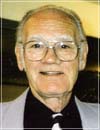
Scott Richardson

Called Of God

2 Thessalonians 2:13-17
Scott Richardson September, 6 1987 Audio
0 Comments

Sermon Transcript

Auto-generated transcript • May contain errors

100%
14th verse, which seems to be the conclusion
of the 13th verse. And so I suspect maybe I ought
to read verse 13. But we are bound to give thanks
always to God for you, brethren, beloved of the Lord. Because God has, from the beginning,
chosen you to salvation through sanctification of the Spirit
and belief of the truth. Whereunto he called you by our gospel to
the obtaining of the glory of our Lord Jesus Christ. Therefore,
brethren, stand fast in the gospel and hold the traditions
which ye have been taught, either by word or our epistle. Now our Lord Jesus Christ himself,
and God even our Father, which hath loved us and hath given
us everlasting consolation, and a good hope through grace comfort
your hearts and establish you in every good word and work. Verse 14, Whereunto he called
you by our gospel. Paul said it was his gospel. And he wrote in the book of Romans,
I think, in the first chapter, and referred to the gospel as
the gospel of God. And then in about the third verse,
he referred to the gospel as the gospel concerning the Lord
Jesus Christ. So it's one and the same. It
is Paul's gospel. It's as much my gospel as it
is Paul's gospel by way of taste in the gospel. by way of experiencing
the fruit of the gospel and the graciousness and sweetness and
beauty and glory of the gospel and the knowledge of the gospel
that God's given me. So in that sense, I can say to
Paul, move over, Paul, because it's my gospel too and it's your
gospel if you have received the Lord Jesus Christ in that gospel. I want to talk to you for just
a little bit here this evening about this calling, whereunto
he called you. He called you by our gospel to
the obtaining of something, to the obtaining of the glory of
our Lord Jesus Christ. I am led to believe by what the
Bible says is the gracious work of the Holy Spirit of God. Now,
the Holy Spirit of God, the third person of the Trinity, God the
Father, God the Son, and God the Holy Spirit. fruitful and gracious work of
God the Holy Spirit. He causes the regenerated man
to embrace the Lord Jesus Christ freely as he sees him in the
gospel. In the book of Timothy, He says
this, 2 Timothy, I believe, "...who hath
saved us, and called us with a holy calling." Saved us and
called us with a holy calling, not according to our works. What
I'm saying is that this calling is the gracious work of the Spirit
of the living God and a regenerated man, a quickened man, the Holy
Spirit causes to embrace the Lord Jesus Christ freely as he
is in the gospel. Now, this calling may be distinguished
from regeneration, yet it is closely connected to it. Now, I know there is a theological
argument that has raged down through the years and maybe is
still raging. I don't know about a distinction
between regeneration and calling, but I'm persuaded to believe
that calling may be, to a degree, distinguished from regeneration. Yet, I believe it is closely
and vitally connected to it. When I talk about regeneration,
I'm talking about a divine quickening, a divine quickening by God Himself
in the soul of a spiritually dead man. I'm saying now that
the Holy Spirit of God is, in this calling, it's up to Him. It's his office, it's his work,
it's what he does. And he causes the regenerated
man, not unregenerated, the regenerated man, the quickened man, he causes
him to embrace the Lord Jesus Christ freely in the gospel. But there is a distinction between
the two, yet they're closely connected. Now, the gracious
work of the Holy Spirit in regeneration, in quickening, causes the receiver
of the effectual work of the Spirit of God, causes the receiver
or the recipient to respond to the call. It's the Holy Spirit. It's His work. in regeneration
that causes this recipient, who is the object of regeneration,
his work in him that causes him to respond to the call. There's a call made. The Holy
Spirit operates upon a man's will, not forcibly bending a
man's will, but making a man's will viable and tender within. Calling of the Holy Spirit through
the gospel addresses itself to the consciousness of man. And
when I say that the Holy Spirit operates upon man's will without
forcibly bending man's will, I mean by that to say that man
is not taken by the hair of the head and drug him to the kingdom
of God against his will. He is made willing. He is made willing. It is part
of the gracious work of the Spirit of God in calling. Now, he is
calling a man that has been regenerated. He is calling a man that has
been quickened by the Holy Spirit, and he draws this man and makes
this man willing to respond to what is said in the gospel, which
is the Lord Jesus Christ. So you can say then that regeneration
or quickening, you whom he hath quickened, made alive, that were
dead in trespasses and in sin. So this quickening or regeneration
works from within. Calling is from without. Calling is a divine summons which
appeals to that principle of life that's given to us in regeneration
when we're made a partaker of the very nature of God Almighty. Now this divine summons which
appeals to this principle of life that causes the will and
the understanding to be active, to do something, to do something,
regeneration enables us to hear and to understand. But the receiver,
you see, is made willing, that is the recipient, he's made willing
to come to the light. He's called by God, he's called
in the bringing forth of that life by a divine summons into
the light of the gospel. This is the way it is, and this
is the way it's taught here in this verse that I partially read
to you, where it says, Who hath saved us? Who hath saved us? Notice the order. Who hath saved
us and called us with an holy calling, not according to our
words, not according to anything that we have done or purpose
to do, not anything relative to this condemned flesh. You see, the flesh is condemned. Ichabod is written on all flesh. God has condemned flesh. And
anything pertaining to self and to flesh is condemned. So we
are not called according to our works. We're not called according
to our works, we're called with a holy calling and it's according
to His own purpose and grace which was given us in Christ
Jesus before the world began. Now, according to this, this
calling is effectual And it does something. It presupposes that
there's life in the recipient of the call. There must be life
or it never responds. There's got to be life there.
And the author of that life is God the Holy Spirit Himself.
What would you think of a woman who said she was going to have
a baby, but she wasn't even pregnant? Huh? Calling does not come before
quickening. He called you by our gospel. So calling does not come before
regeneration. This calling is not a calling
of persons who are unregenerate. They have no hearing ear or no
seeing eye. He is calling the regenerate,
the quickened, those that have been made alive by the Spirit
of God. And this calling of the regenerate
or the quickening or the quickened is far more than just a general
call that goes forth in the proclamation of the Word of God or the proclamation
of the Gospel. You see, when the gospel is preached
to any audience, even this audience here this evening, from one point
of view, the audience, in some respect, are all alike. All alike in this respect, all
of them, in their natural state, are not just depraved, but totally
depraved. Every fraction of their makeup
is contaminated with the evil virus and pollution of sin. They're not as bad as they could
be, but they're bad, totally bad, and equally bad. They're
totally depraved. So when the gospel is preached
to any audience, that audience, from one point of view, is the
same in this respect. They're all alike in their depravity. But from another view, those
who hear the Word of God are entirely different. It is God
who gives the hearing ear. According to the book of Proverbs
chapter 20 and verse 12, the hearing ear, the seeing eye,
the Lord has made both of them. Now there are many calls. Many
called by the external and outward preaching and proclamation of
the Gospel and the Word of God. The call is going forth now. I call upon men everywhere to
repent of their sins and to trust in the Lord Jesus Christ as the
God-given remedy. I call on men to do it. And the
gospel is set forth in this proclamation constantly. It's an external
and outward call to everybody. But the Bible says that there's
many calls. Many calls, but there's just
few chosen. Over here in Matthew 22, let
me read that just to make sure it's in the Bible. Matthew 22. And verse 14, I believe. Verse 14. For many are called. Many are called. That's what
I'm saying. There are many called by the
external and outward preaching of the gospel. Many are called.
But it says there's few chose. Few chose. In regeneration now,
the sinner is dead to spiritual life. He's absolutely like a
corpse. Now, the elect unregenerate sinner,
he can do nothing. The elect unregenerate sinner,
he can do nothing to change his condition or his state. That
which is wrought in him to bring about any change in affections
or actions must be wrought by God Himself. Whatever is wrought
in Him by God is by the grace of God. But in calling, but in
calling, now, He's made alive, He's made alive. But now in calling,
and that's what we're talking about, He's made active or he's
made alive to spiritual things by the power of that new life
which is quickening and regeneration. He's made alive to it and he's
able now to respond to it. He couldn't respond to it before
because he had no spiritual act. Not that he wanted to respond. He didn't want to respond. All
of you know that every one of us left to ourselves, apart from
the work of the Spirit of God, would be in continuous, constant,
perpetual rebellion against God, and we'd still be going our own
way. But God has intervened by the
grace of God and wrought something in us and made us active. And
now we're active in essential two spiritual things. And He's
given us an ear. He's created an interest. And He's brought about a love
in our hearts for the Lord Jesus Christ and a hunger and a thirst
to find out who He is and what He's done and why He did what
He did. And where is that and what He's
doing? He's given us a hunger and a thirst, and we can't be
satisfied until we find out about it. We won't find out about all
of it, but we'll find out something that'll be of a help and a comfort
to us. It doesn't mean that an elect,
regenerate sinner is able to do anything without God. He can't
do anything, even though he's an elect. But if he's unregenerate,
he can't do anything without God. All spiritual good from
regeneration to glorification is of the grace of God. There's
not one thing he can do from the time he is born to the time
he dies that can be blessed of God and called a good work apart
from the work of the Spirit of God in him. Now listen, this
divine call, this divine call, it's a summon. It's a summons,
that's what it is. It's not just a calling a person
and say, well, I'm going to tell you something. I've seen your
friend down the road just then, he asked about you. It's not
a call like that. The implication of this summons
has with it a divine command. There's something determinate
about this call. As a matter of fact, in Romans
8 and 38, it says that this call is according to God's purpose,
and that makes it a determinate call, a call. Many are called,
but few are chosen. Listen, a summons is issued,
a divine summons, and he must come. Everyone for whom Christ
died, everyone for whom God has known in eternity past, must
come in time. He must come. You say, well,
what if I won't come? But you will come. But you will
come. Will I come against my will?
He'll make you willing in the day of his power. He'll make
you to fall in love with Him. And you'll freely embrace Him
as He's revealed here in the Gospel. You will come. Everyone
for whom Christ died, sooner or later, will come. My sheep,
here are my boys, and they follow me. They'll wind up at my feet. My sheep, my sheep. He died for
His sheep. He laid down His life for His
sheep. And his sheep's going to hear what I'm talking about.
There's going to come to their hearts one of these days a divine
summon, a divine call through the gospel. And it's a call that
they can't resist. They can't resist it. They'll
fall in love with it. And they'll be made willing in
the day of his power. For instance, a summons issued
by the court. like the sheriff assigns a warrant and has the warrant delivered
by his deputy to summon someone into court. Now this summon or
warrant issued by the court does not in itself empower us to appear
at that court at a particular time. That is, the summons in
itself Our appearance there depends upon our strength and upon our
will. Now, it might become necessary
for an officer of the court to apprehend us and to compel us
to come and appear before the judge, because we lack the will
and the strength to appear. We may have the strength to appear,
but we don't have the will to appear. We don't want to appear.
We'd rather be someplace else. And he must issue a summons to
the deputy sheriff and say, go lay hold of this fella and bring
him in here because I have to talk to him. We got some charges
here. But the elect of God now, listen
to me, but the elect of God Those that are recipients of this divine
summons and this divine call, the elect of God, have already
been apprehended by the quickening of the Holy Ghost! They've already
been apprehended! They've been apprehended before
the call comes. And when the call comes, they
willingly respond to the call. Now, does regeneration affect
the will? Certainly it does. God's people
are made willing in the day of his power. And I've oft times
said that God does not save a man against his will, but with his
full consent. He consents to it. He's against
it, but he consents to it. It's a lovingly, it's a lovingly
consent. I must come! I've got to come! The call, you see, is personal. It's a personal call. It's not
a general call. The general call goes out. Every
time the preacher preaches, there's a general call that goes out.
And every time that the gospel is published or the Bible is
opened and a man reads it, the call is out. It is an outward,
external call. But I'm talking about this personal
call. It comes to a man's ears, and
it comes to his heart. It's not a call. It's not a call
that can be defined by the hearing of the ear. It's the hearing
of the ear of the heart. You see, when the Lord Jesus
Christ said, I know my sheep, I know my sheep, and they hear
my voice. It wasn't that they heard the
audible voice of the Lord Jesus Christ. There's a lot of people
that heard the audible voice of the Lord Jesus and cried,
crucify, go away with Him. That when they heard the voice
of the Lord, they heard what He was saying, Charlie. They
heard what He was saying. And if you ever hear what I'm
saying in regard to the gospel of our Lord Jesus Christ, if
you ever hear it, You ever hear it? Find out who he is, who you
are, who he is, and what he did, and why he did it. You ever find
that out, it'll bless your heart and you'll say, my, so why didn't
I see that a long time ago? Huh? Well, listen, this call
is personal. It's not general. Look over here
in the 19th chapter of the, stay with me for a few minutes and
we'll quit. Luke chapter 19, a good illustration of it here,
I think, anyhow. Luke 19, verse 5. Jesus came to the place. He knew
where I was coming. He came to the place. He looked
up and He saw him. That's Zacchaeus. And He said unto him, Zacchaeus,
come down, for today I must abide at thy house." And he made haste,
and he came down, and he received him joyfully. Our Lord said,
I must abide at thy house. When our Lord says, I must, it
is a personal, it is a divine summons. And nobody can stand
against the summons of God. They can't do it. as they melt
like the snow melts, or like the ice melts between your fingers. They melt, they fall down, they're
pliable, their will is not forcibly bent, but it's bent tenderly
by the Spirit of the Living God. Our Lord said, I'm up. No standing
against it. And notice what else happened
here. The Lord invited Himself. He
invited Himself. He wasn't knocking on the door.
Can I come in? If I behave myself, can I come
in? I don't want to violate anything
in regard to your set ceremonies here or anything like that. I
don't want to put myself off on you. There's nothing like
that. He said, I must abide at your house. Get down and let's
get over to your house because I must abide there. He invited
Himself. Zacchaeus didn't invite Him.
I didn't invite the Lord Jesus Christ into my heart, not until
He made me willing, not until He wrought a word of grace in
my heart. Prior to that, I was an archenemy
of God and an enemy to His Son. Zacchaeus didn't invite Him.
Our Lord not only invited Himself, But he said, I must abide at
thy house. Now, this call was successful,
wasn't it? It was a personal call. It was
one of those, not the many are called, but the few are chosen,
right there. The call was successful because
Zacchaeus embraced the Lord Jesus Christ. As a matter of fact,
if you read on, you'll find out that he produced some good work.
This calling, you see, is from God. It's from God. We must hear
from God. And the effect of this call is
that the Lord Jesus Christ becomes a personal reality to my soul. To my soul. He becomes my Lord,
and my Savior, and my Redeemer, and my Prophet, and my Priest,
and my Father. He becomes all of this to me.
And I can cry, I have a Father. I can go to Him. He bids me,
come to Him. As I told you this morning, He
says, cast all your cares upon Me. I'm your Father. I'm your
Father. I can be trusted. You can trust Me. I've done so
much for you. I gave My Son. I poured out my
wrath upon the Lord Jesus Christ as a substitute for you. Can't you trust me? He's my Father. He's my Father. He's got nothing
against me. Well, this calling is from God. And the effect of this call is
that the Lord Jesus Christ becomes a personal reality to our souls. You see, the most wonderful preaching
in the world couldn't produce that. Spurgeon himself couldn't
produce that apart from the work of the Spirit. The call of God
through the gospel brings about something in that quickened soul
that must work its way out. It's got to come out. It's like
a a spring underground. You can stop it here, but it'll
break loose someplace else. It's got to come out. It's got
to work its way out. Now listen, no natural hindrances
can stand in its way. No natural hindrances. Not a
relationship with your wife or your mother or your father or
your children. or anything that seemingly would violate maybe
their particular belief, that won't stand in your way. You
may stop and consider it, but it won't stand in your way. You'll
say to yourself, you'll say, take or swim, I must get to Him. I must come, I must run, I must
respond. There's no natural hindrance
that will prevent you from coming. As a matter of fact, this call
of the gospel separates a person from all man-made schemes. It separated Charlie from a man-made
scheme. He was buried graveyard deep
in Pentecostalism. graveyard deep. His mother and
his sisters and his brothers and his father, all of them were
Pentecostals. And he had to go against the
tide. But Charlie told me more than one time, when he heard
the truth, heard it over the radio and then he heard it down
there at Henry's, he had to come and he had to separate himself
from these man-made schemes and identify himself. He had to do
it. I'll tell you something else,
brethren. He who has been called cannot deny his call. He won't
deny his call. If a man says anything to him,
he'll say, Christ in me, the hope of glory. He can't deny
it. He'll confess to kings. He'll
confess to big groups, small groups, that Jesus Christ is
my Lord and my righteousness and my all in all. He'll do it. And these that are
called are called according to God's eternal purpose. And they
are called, listen to this, and I'll quit. They are called the
children of the living God. That speech of perpetuity, a
continuance. They are called the children
of the living God. Calling. God must call. He calls
us how? Through the gospel. That's the
reason the gospel's got to be preached. No man will ever wind
up at the feet of God who's never responded to the gospel. You
say, well, what about the elect? I mean, God has an election and
He's predetermined and predestinated and planned and this and that.
And what about them? Maybe some will slip by. None
of them will slip by. God will have every one of them.
Everyone, all the Father gives to me, He'll wind up. He'll wind
up at my feet, embracing freely the gospel of our Lord Jesus
Christ. He won't fight about the doctrine
of election or predestination or substitution. He won't fight
about those things. He'll bow to them. He'll bow
to them. He'll be glad that God's sovereign. He'll be glad to let
God manage all of his affairs, too. He'll be glad of that more
than anything else. He'll be able to say, And whatever
takes place is not unbeknown to Him. He permits it, and He'll
sustain men. The Lord bless us.
Scott Richardson
About Scott Richardson
Scott Richardson (1923-2010) served as pastor of Katy Baptist Church in Fairmont, West Virginia.
Broadcaster:

Comments

0 / 2000 characters
Comments are moderated before appearing.

Be the first to comment!

Joshua

Joshua

Shall we play a game? Ask me about articles, sermons, or theology from our library. I can also help you navigate the site.