Bootstrap
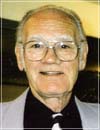
Scott Richardson

The Importance Of Preaching

Isaiah 61:1-2
Scott Richardson September, 28 1980 Audio
0 Comments

Sermon Transcript

Auto-generated transcript • May contain errors

100%
here this morning. The Spirit
of the Lord God is upon me, because the Lord hath anointed me to
preach good tidings unto the meek. He hath sent me to bind
up the brokenhearted, to proclaim liberty to the captives, and
the opening of the prisons to them that are bound, and to proclaim
the acceptable year of the Lord, and the day of vengeance of our
God, to comfort all I said this has reference to
the Lord Jesus here, speaking of the Savior. Now, our Lord's
anointing was with a spatial view to his preaching. Such honor
does the Lord God of heaven and earth put upon the ministry of
the Word, the preaching of the Word, that an old Puritan one
time said that God had only one Son and he made a preacher out
of him. It was the business of the Lord
Jesus Christ to preach. He was always preaching. He was always ready to preach,
in season or out of season. He preached always at all times. You say, well, did He not perform
some miracles? Is there not recorded In Matthew,
Mark, Luke, and John, many miracles that our Lord performed on behalf
of the underprivileged, on behalf of the poor, on behalf of those
that were diseased and sick, and the beggars and the dead. Well, he certainly did. He performed
miracle after miracle, but yet every one of his miracles were
preaching. All of his miracles were full
of instruction. You remember when the beggar
who was born blind was sitting by the wayside begging, and all
that is involved with his healing and giving of sight. Then another
time there was another fellow who was born blind, and our Lord
made him whole, and the Pharisees and the Jews at that time tried
to find something on the Lord Jesus to condemn him, and they
went to this young man and said, Who was it that gave you sight? And of course, the sum and substance
of the whole story was that he said, One thing I know. One thing I know, once I was
blind, but now I see. So you see, he did work miracles,
but his miracles were all full of instruction. They were teaching. It's like the Lord's Supper. The Lord's Supper is a picture,
but yet it teaches. We have the wine. It's not grape juice, but it's
wine. Now that's saying something.
That pictures something there. That teaches us something. It's
not soda pop. You couldn't have the Lord's
Supper by taking soda pop. You couldn't have the Lord's
Supper by using light bread or soda crackers because it would
destroy the instruction that the table presents. This table
is presenting a picture of truth. This wine is presenting the sinlessness
of the blood of the Lord Jesus Christ. All of the infirmities
have been worked out of the grape juice and now it has become pure
wine. And there is no leaven there.
And what is said for the wine is also said for the bread. It's unleavened bread. It doesn't
have any leaven in it, which is a type of sin. It's been worked
out. Which is to say that that which
God required was absolute perfection. That is what God requires. He
will not accept anything less than what He is. God is perfect
in every respect, in every category. God is absolutely immaculate
and perfect and will not accept anything less than perfection. Now these elements here, presents
the perfection of the Lord Jesus Christ. It presents not only
the perfection, but it presents the absolute substitution, the
vicarious sacrifice of Jesus Christ, given Himself in the
stead, in the room, in the place of others. Everything that our
Lord did, all of His miracles were full of instruction, full
of teaching. You talk about You talk about
a picture which symbolizes something, which is full of instruction.
What about baptism? What about baptism? Baptism declares
something. You can't declare what baptism
pictures by baptizing, by putting a little bit of water on top
of an individual's head and calling that a burial. You see, you would
destroy the picture. If you destroy the picture, then
you destroy the gospel. You have got no gospel. So these
things are full of instruction. You can't show forth the death,
burial, and resurrection of our Lord Jesus Christ by just taking
a few drops of water and putting it on someone's head and saying,
well, now here's a fellow that's buried with Christ. He died with
Christ Jesus on the cross. He was buried in that tomb of
Joseph of Arimathea. But on the third day he rose
again." You can't picture that if you don't have the right,
if you don't have the truth behind the picture. You can't do it.
So they're full of instructions. We could go on and on and on
this morning in regard to the miracles that our Lord Jesus
Christ performed while he was here on earth, but he was always
preaching. Notice, it says, "...the Spirit
of the Lord God is upon me, because the Lord hath anointed me..."
to do what? "...the Lord hath anointed me to preach." And I'm saying, brethren, it
was his business to preach. And I'm saying that he always
preached, and I'm saying that we need to put the same emphasis
upon preaching that God put upon preaching here in the Bible.
And I said that even his miracles were full of instruction. I'm
saying, brethren, when he was on the Mount of Transfiguration,
he was preaching. I'm saying that when he sat at
the Pharisees' table, he was preaching. All of his actions,
every one of them, were highly significant. He preached by every
movement that he made. He preached when he did not speak.
He preached. You remember he did not say a
word. They brought a woman who they
had taken in adultery, and the Pharisees brought this woman
to our Lord. And they condemned and criticized,
and they said, you know what the law says. They said, you've
got to kill her. The law says kill her. And our
Lord didn't say a word. Didn't say a word. Finally, He
just didn't say anything. He reached down in the dirt and
wrote something down there. I don't know what it was. And
finally, He turned to those fellows and He said, he that is without
sin, let him cast the first stone here. They went off, went down
the road, and he turned to the woman and said, ìThy sins be
forgiven thee. Go and sin no more.î Full of
instructions, brethren. Our Lord was always preaching,
always. He preached when He did not speak.
He was just as eloquent when He was silent as He was when
He had something to say. He preached when he gave, and
he preached when he received. He was always preaching. And
that's the emphasis, I believe, that needs to be placed upon
preaching. The Spirit of the Lord God is
upon me, upon the Lord Jesus Christ, because the Lord God
of heaven and earth hath appointed me, hath anointed me, hath ordained
me, hath sent me to do what? To preach! To preach, he must
preach. He said, I must be about my father's
business. They couldn't find him in the
temple, or when they went to the temple, and they were on
their way home, and they were several hours down the road,
maybe a couple of days if I remember right. And they turned, and they
said, well, where's Jesus, Mary, and Joseph? Where's he at? And
they couldn't find him, and they were worried and perplexed. And they finally got a hold of
him. He was back at the temple. And
he was disputing with the high priest and the man of the law. He was talking to him. And they
said, Well, you worried us to death. He said, I must be about
my father's business. What is his father's business? He hath anointed me. He hath
sent me to do what? To preach. I must be about that. I cannot give that up. That cannot
become secondary to me. I must preach. I must preach. He preached a sermon when he
lent his feet to a woman that she might wash them with her
tears and wipe them with the hairs of her head. He preached
a sermon. And he said, what's taking place
here? that what's taking place here
will be a memorial to this woman as long as time stands of her
devotion, of her love, and what's required of you and I. That's
what's required of you and I, is to worship Him, to give our
all to Him, to come to His feet. That's where we belong. We belong
at the feet of the Lord Jesus Christ in worship. And he said
this will be a memorial. He said, in other words, what
he's saying was, he said, if there's nobody else on the top
side of God's green earth, there's one, there's one. This poor woman
that was cast out, she is willing to give her all, her all but
her box of ointments. And she's willing to come give
the best that she had, give all that she had, and she's willing
to come and to be at my feet. And the tears of remorse and
repentance will bathe my feet. She'll wash my feet with her
tears. And she'll take the tresses,
the glory of her womanhood, and wipe and dry my feet. It will be a memorial to her.
He preached the sermon when he lent his feet to this woman.
You see what I'm driving at? I'm saying, brethren, that we
need to put emphasis upon preaching. Listen, he preached when he was
dividing the bread and the fishes there at that great multitude.
He was preaching. The next day, you remember, This
carry-over crowd of 5,000 and more had come and followed him,
but he didn't have anything to give them other than the Word
of the living God. And they turned and walked away.
And he looked out, and one by one, they began to trickle away
from the place that they were at, going to their home. And
he turned to Peter, And the rest of the apostles, and he said,
will you also go away? These have went away. Will you
also go? To whom shall we go? They said.
Thou hast the words of eternal life. He preached by his patience
before Pilate. The Bible says it was there that
he witnessed a good confession. He opened not his mouth. As a
sheep is led before the slaughter and is dumped, he opened not
his mouth. He preached! He preached! And
brethren, he preached on that bloody tree when his hands and
his feet were fastened there. And there, not saying a word,
he delivered the greatest discourse on justice and love that this
poor world has ever heard. Do you remember how he preached
there to that thief, the response that that thief made? Two thieves
there, one on each side of him. That one thief looked at him,
recognized in him, in his majesty and in his splendor, although
he looked Like everything but a king, he looked like just a
defeated man, but in his splendor and in his majesty and in his
power and potency, that thief recognized something and seen
something. And said, Lord, remember me when
you come into your kingdom. He recognized it as a king. He
was preaching there as he hung on that cross. He was preaching.
Remember me!" And our Lord said, "...today shalt thou be with
me in paradise." Oh, my soul, this morning, dear brethren,
He delivered the greatest sermon on justice and love that this
poor world has ever known while He was fastened to that bloody
tree. His feet were fastened to the
tree, His arms were fastened to the tree, but yet He preached.
He had compassion in his heart for that multitude. And they
cursed him, and they wagged their tongue out at him, and they spit
upon him. And he said, Father, forgive
them, for they know not what they do. Always preaching, always
preaching. You see what I mean when I'm
talking about the Spirit of the Lord God is upon me because the
Lord half anointed me to preach, preach, preach. And yet some
people you can't get them, church members, people who have held
their hand up to God, opened their mouth up to the Lord and
said, I cannot go back! I cannot go back! I've opened
my mouth to God. I've professed faith in the Lord
Jesus Christ. I've professed to love Him and
to die for Him, to die to self, die to sin, die to the world,
die to the devil. I cannot go back! And yet you
can't get them to come and hear preaching. You can't get him
to come here preaching. Preaching is secondary to him.
A fella told me one time, he said that I can get as much out
of gospel singing as I can out of preaching. That's what he
told me. Never asked him for it. He was talking about it,
talking about gospel quartets at these various places. That's
what he told me. It was unsought, unasked for. And he said this,
he said, I can get more out of gospel singing than I can out
of preaching. Maybe you can, you're welcome to it, but I can't.
I can't. Because this, brethren, is the
divine, ordained way of you and I being instructed and edified,
and most of all, God being glorified, is through preaching, preaching,
preaching, preaching, preaching, preaching. All right? Listen,
the Spirit of the Lord God is upon me, the Lord Jesus. To do
what? To preach, to preach, to preach. He always preaches. He always
preached. He's always a preacher, always
ready, in season and out of season, ready to preach. This was His
calling. This was His calling. I ought
to be ready. You ought to be ready. Most of
the time we feel that the only ones doing preaching is the preacher.
But that's not true. We're all preachers in a certain
sense. We're all preachers. I feel even before I felt this
this irresistible call or urge to be identified with this public
preaching. Even before that, I had a desire,
I had an energy that could not be quenched in regard to telling
others of this gospel. I don't say that that was of
me, and I don't say that to brag or to boast, and God forbid,
but I'm saying that all of us, Our preachers to a degree, we
have something. We have Christ in us, the hope
of glory, the very God of very God formed in us. We have life. Not we'll have
life, we have it now. We have the pardon of sins, forgiveness,
we have peace, we have joy, Happiness in the Holy Ghost. We have righteousness
and we're not satisfied to leave people go down the road and pass
us by and we pass others by and come into contact with without
making some sort of an effort to tell them of what we've experienced
in the Lord Jesus. We won't tell them. We won't
tell them, are you ready to die, brother? Are you ready to step
out into eternity and meet Almighty God? Are you ready? Let me tell
you about a Savior. Let me tell you about the Lord
Jesus Christ who came to seek and to save that which was lost.
We all ought to be preachers, to a degree, all of us, every
one of us. I know we all can't be public
preachers. I know that. We can't have 25
or 30 preachers every Sunday, every Wednesday. We can't do
that. I don't think. But we can all be preachers on
the job. I know it's difficult, I know
that, but we ought to ask God to make us pliable in that respect
and adaptable and conformable to conditions and situations
and circumstances that we might have a good word to say in season
and out of season about our Lord Jesus Christ. This was His calling,
and that's our calling. My, how important it is, this
preaching business. I'm not talking about foolish
preaching. The Bible doesn't talk about
foolish preaching. It talks about the foolishness of preaching,
but not foolish preaching. Well, I've done a lot of it,
a lot of foolish preaching. Well, this was his calling. And
let me tell you that he liked it so well Our Lord Jesus Christ,
He loved to preach. He loved to preach. He liked
to preach. And He thought so much of it
that He trained eleven men to do what He was doing. And He
called them His apostles. You know that? He trained eleven
of them. They went to school with Him for over three years.
They was with Him everywhere He went. They slept beside Him
at night. He said, the foxes have holes
and the birds have nests, but the Son of Man, He doesn't have
any place to lay His head, and they laid right there with Him
for three years and maybe more. They traveled with Him day in
and day out. He taught them. He trained them.
He liked this calling so well. And brethren, He sent them out
to preach as He had preached, and then He chose 70 more. Not
just 11, but he chose 70 more. And he said, go out and do the
same. Do what? Preach. Preach. And I'll tell
you something else. I'll tell you something that
he didn't do. I've told you some things that he did do. I'll tell
you something that he didn't do. He didn't shave their heads.
He didn't shave the heads of these 12 or these 11, or he didn't
shave the heads of these 70. and tell them to put on some
particular garb or uniform that would make them a little different
than other people. He didn't do that. He didn't
teach them to say what is referred to now as the mass. He didn't
teach them to do that. He didn't instruct any of these
preachers, the 11 or the 7, to regenerate people by baptism
either. He didn't do that. He did not
lower the estimate of his preaching, even at the end of his life.
Now listen to me, and you'll see what I'm talking about when
I'm laying the emphasis upon preaching, upon preaching. Now
listen to me, faith cometh by hearing. How does hearing come?
By a preacher. How shall they hear? Except they
have a preacher. And how shall they preach? Except
they be sent. You've got to have it. You've
got to have it. You might dislike certain individuals
who are preachers. There may be personalities or
things that will clash with your personality that will cause you
to maybe be turned off, but that's no excuse. Go someplace else. Find somebody else. You've got
to have some preaching. You've got to have it or you're
going to die without it. You've got to have preaching. Preaching. Pain! Pain! That's what God calls
it, faith. It's that something. I can't
explain it. I can't define it. It's something
that God gives, whereby I might lay hold of eternal life in His
Son. God gives that. He gives it.
He don't give it. He don't write it down on a piece
of paper and give it to you, but He gives it. He gives it
by His invisible Spirit into your invisible soul. He infuses. This quality there,
this something there, this gift, He gives it to us. And He gives
it. It comes at the result of hearing. Faith cometh by hearing,
and hearing by the Word of the living God. And that is preaching. How can they preach? How can
they preach except they be sent? And how beautiful are the feet
of them that preach the gospel of the glad tidings, the good
news of the Lord Jesus Christ. Preaching, preaching. He sent
me, anointed me. That's what it says. The Spirit
of the Lord God is upon me, the Lord Jesus said. Because the
Lord hath anointed me to preach, and he didn't lower the estimate
of his preaching at the end of his life, The Bible says that
he told the disciples, he said, I'll meet you at a certain place. After he'd appeared to them,
he said, now, there's going to be a big transaction take place
here, and I'm going to ascend to my Father, and I want you
to be there for that occasion. I want you to see me go. And
he took them out on the Mount of Olives, wasn't he? They met
out there one morning. I don't know what time of the
day it was, but I'm assuming the sun was in its fullness,
10 or 11 o'clock, and they met out there, 11 of them, and the
Lord Jesus Christ. And he told them before he left,
he said this to them. He said, Go ye therefore into
all the world and preach the gospel. And he said, those that
respond to it and believe, he said, baptize them in the name
of the Father and the Son and the Holy Ghost. And then he said,
teach them to observe all things that I have commanded you. He didn't lower his estimate
of preaching even to the end of his ministry, to the close
of his career of a preacher here upon this earth. All at once
he started. right up into the sky. Started
right up into space and they was staring there. Said, what's
going on? An angel spoke to them. Said,
don't be so amazed about this. Astounded. Said, this same Jesus
that you see going, he's going to come. He'll come back. He'll
come back. We're looking for him. We're
looking for him. Oh brethren, listen. He lived the prince of
preachers, and he died and became the theme of preachers. That
was Paul's theme. That's all he preached. He didn't
have anything else to say. Now don't misunderstand me now
when I say that he didn't have anything else to say. I don't
mean that he didn't preach the Word of God. Paul preached the
Word of God. It was very thorough. through
and through in his preaching. He said to these people, he said,
I have not shunned to declare unto you the whole counsel of
the Word of God. But what I'm saying is, he did
not preach anything. He did not preach any doctrine
or anything else that was not directly related to the gospel
of the Lord Jesus Christ. That is the reason He told these
folks, I am determined to know nothing among you save Christ
and Him crucified. That is the reason He said that
Jesus Christ came into this world to save sinners in whom I am
cheap. That is the reason He said, God
forbid that I should glory save in the cross of our Lord Jesus
Christ. Oh brethren, you have seen then
thus far from what I have said that He came to preach. He came
to preach. He came to preach. That's all
there was to it. Now, I've seen some fellas that way. I've heard
some fellas. And I heard them, I said to myself,
that fella come to preach. He didn't come to talk. He didn't
come to pat people on the back. He come to preach. To preach. Secondly, now, let's notice his
subject. Let's notice his subject. We
find that out right here in this first verse of Isaiah chapter
61. Let's notice his subject. His
subject was glad tidings. He anointed me to preach glad
tidings. That was his subject. That was
his subject. Well, what do you mean by glad
tidings? I mean pardon to the chief of
sinners. That's what I mean. He came to preach pardon to the
vilest wretch out of hell. He'd come to preach pardon to
him. He'd come to pardon prodigal sons. There's the old prodigal
son. dwell in his father's house.
Been there, I don't know, 17, 18, 20 years, and finally he
got tired of it. He said, I'm tired of this This
is the strictness of my father. I'm tired of the discipline.
I'm tired of the drudgery. I'm tired of this every day,
day in and day out, the same old thing. I used to be that
way. Did you ever say that? I used to say, well, I wish I could
get to be 18, 19 years old and I could get out of Briggsville
because there's nothing happens in this town. None of that. I
want some excitement. I want to see fireworks. I want to see wild things come
to pass. I'd like to get out of here.
I can't wait. I can't wait." Well, that's the
way that fellow was. He couldn't wait either, and
he called his daddy, and he said, Father, he said, he said, how
about giving to me what I got coming? I've got an inheritance
coming. How about giving me it a little
ahead of time? He said, all right. I guess he tried to talk him
out of it, but But he said, alright, he gave him his substance and
he went off into a far country and he spent all that he had
in riotous living, riotous living. And when he spent all that he
had, and there was no one to give to him. All of his so-called
friends then had left him and he didn't have anything. No man
cared for this man so, and wouldn't even give him a bite to eat,
he got to the place that he had to go down there to where they
had the swine, the hogs, and he went down there and he began
to eat what they ate. A Jew eating. The diet of hogs. Hogs he couldn't stand. He wouldn't
even eat a hog. He wouldn't even touch a hog.
He wouldn't eat a pork chop or a piece of ham. He wouldn't eat
it, but he had to eat what they ate. He had been reduced to that
level to eat what they ate. And finally, he said, I resolve. I've come to the end of myself.
I resolve to go back to my Father and say, Father, I've sinned
against Heaven. I've sinned against Thee. Father,
make me as one of Thy hard servants. You know the story. When I'm
talking about the glad tidings, I'm talking about pardon for
poor prodigal sons and daughters who've went off into the world
and spent their living in riotous living, and finally come down,
reduced to the lowest level, and finally resolve in their
hearts for the prompting of the Spirit of God to come home. Come
home, sinner, come home. Come home, sinner, come to the
feet of the Lord Jesus Christ, the loving Father. And when He
came, that Father That father was standing there looking out,
looking out anxious, looking every day that father looked
out the door. I used to know a fella that loved
his children, so I still know him. I still know him. When the
boys, when his children would be out, and maybe he'd expect
them home at a certain time, and about a half hour before
they'd come, or about a half hour before they were supposed
to come, he was always looking. He was always looking. Looking.
Walking out, looking, looking. What's he doing? He's looking.
He's looking. Anxious! Anxious for his children
to come in. The father was looking and looking
and looking. Every day he looked. One day
he looked and apart off there came a straggling, ragged, beggar-looking
fellow out the road. The Father saw Him and He knew. He saw what He was. He saw where
He had been. He saw His true condition. And
He ran. He ran. The Father ran. Can you imagine that? God Almighty
Himself ran. The Father ran. He got down there
and put His arms around Him. Grabbed Him in there and smothered
Him to His breast. That's what He did. You know
what I'm talking about this morning? I'm talking about what our Lord
Jesus Christ preached. He preached glad tidings. He
preached pardon to the vilest wretch outside of hell. He preached
pardon to that prodigal. He preached pardon. That's what
he preached. He preached pardon, and that
father run down there, smothered him to his breast, pulled him
up there. He didn't scold him. He didn't
say, I told you so. He didn't say, if you'd have
listened to me, you wouldn't have gotten in this trouble. That's the way
you and I act to our children most of the time, to our friends.
We get on them and kick them, and if they're down, we keep
them down. If they do something wrong, brethren,
we remind them of it. We're good at reminding people
of their wrongs, aren't we, and their faults. Good at that, but
not so our Heavenly Father. Pressed him to his breast. Pressed
him there and hugged him. And the Bible says he kissed
him, and he kissed him much. He kissed him. He laid his lips
on his cheek. Maybe he laid his lips on his
lips, but he kissed him much. He kissed him. Oh, an expression
of love and gentle affection and receiving. He kissed him! The boy didn't say, the boy didn't
say, Father, make me one of your heirs. He didn't say anything.
He didn't have to. He didn't have to say anything.
He knew. He, well, I'll tell you, when
Father put his arms around you, around that wayward son, that
wayward daughter, he didn't have to say a word. He didn't have
to say anything. He said it all, hadn't he, Pat?
He said it all when he put his arms around him. All's well.
All's well. Oh, he started to say, Father,
I've sinned against thy sight and thy fire. He's having that
father just kind of put his hand on his mouth. He put his lips
on his mouth and crushed that statement that he was about to
make. Ah, you're my son. You're my son. That's who you
are. They're going to make you a new hired servant. You're my
son. You're my son. Ah, you know what I'm talking
about. I'm talking about pardon, pardon, pardon, pardon for the
chiefest of sinners, for poor prodigals. That's what our Lord
Jesus Christ came to preach. To preach, that's what I want
to hear. That's what this poor heart aches to hear and must
hear, is mercy and forgiveness for a poor sinner. You've got
to have it. I'll tell you, He said, give
him what? Put the best ring on his finger,
shoes on his feet, and bring the best coat that is God. Now
I've went through that many times as to what they symbolize and
what they mean. But all is well, back into the
household. Yes, he preached good tidings,
brethren. Good tiding. Pardon to the chiefest
of sinners. He preached of a life given to
dead men in sin. That's what he's talking about.
Men who are dead in sin, who have lost any spiritual ability
to come to God. Forfeited every right and every
claim on God by deliberately... I say, Lord, we will control
our own destiny. We don't need You to guide us.
We don't need You. We don't need You. We're alright.
Forfeited that right, and they're dead, and trespassers, and in
sins, and they can't make a move towards God now. They can't make
the slightest move towards God spiritually. That's difficult,
and that's hard, but that's the truth. That's the truth, brethren,
and I'm not telling you stories this morning. I'm not just preaching
this morning. I'm telling you the truth. that men are dead
in trespasses and in sins, and our Lord Jesus Christ came to
give life to dead men. Dead men. Men are dead toward
Him. Not dead physically. They're
not dead physically. They live and move and have pleasures
and enjoyment and so forth. They're not dead physically.
They're dead spiritually. They can't get to God. They can't
even breathe one word that would be recognized and blessed or
accepted by God because they're dead. You see, they can't. They
wouldn't if they couldn't, but they can. That's what I'm saying.
They wouldn't do it if they could do it, but they can't do it.
They can't do it. You ever see a dead man do anything?
Anybody ever see a dead man do anything? What can a dead man
do? We're dead in trespasses and
in sins. Here's a man who's dead physically.
What can that man do physically? Will he move his eye? Can he move his toe? Can he do
that? Can he reach up there and say, my hair's out of place,
I'll have to put my hair in place? Can he put a little brightening
on his cheeks to kind of brighten him? He can't do it. You can
look down there. I've seen women. I've preached
funerals, and I've seen wives, and I've seen daughters. And
I've seen them come up, and when they open the casket for the
last time, and there lay their loved one, and their hearts are
broke. They miss him. They don't know
how they're going to get through the night. And they've grabbed him. They've
grabbed this cold, dead, lifeless hunk of clay. They've grabbed
him. They said, how can I let you go? How can I let you go?
I can't let you go. What am I going to do? And I've
tried to pull him away. And they've had a death rift
on that lifeless corpse. That corpse never responded.
Never responded. Can't do anything. What can a dead man do? I'm telling
you this morning that our Lord Jesus Christ came to preach glad
tidings to give men who were dead in trespasses and in sins
life. Life. That's what he came to
do. That's what he came to preach. He preached of a life given to
dead men in sin. Isn't this a sweet and wonderful
verse that says, "...he that believeth on the Son hath everlasting
life." Isn't that wonderful? Isn't this wonderful that the
Bible says, "...as Moses lifted up the serpent in the wilderness,
even so the Son of Man must be lifted up, and whosoever believeth
on Him hath everlasting life." He preached the absolute necessity
of a change of heart and the need of a new creation. That's
what our Lord preached. That's what he's talking about.
He said, I'm the resurrection and the life. He that believeth
on me, though I were dead, yet shall he live. I'll tell you
what he did. Well, I'll tell you what it means
that good tidings and glad tidings, the good news. I'll tell you
what it means. He made men feel poor that they might be made
willing to be made rich by His grace. He made them feel that
they were poor. He made men feel weary and burdened
that they might come to Him for rest. Nobody will ever come to
the Lord Jesus Christ for rest. until he has a burden laid upon
his heart, a heavy burden that almost snuffs the breath out
of his lungs. A burden that is so heavy he
will never come. Listen, the sum and substance
of what he preached It's glad news, good news, glad tidings. It's the gospel. It's the gospel. That's what it was. His business
was not to teach politics. That wasn't his business. I see
the preachers are into that now. Preacher on television there,
Jerry Falwell, he's got half of the Half of the country says
he's got a big block of voters. He's been preaching politics.
We're going to put a man in the White House, he said. Every Christian
ought to do this and every Christian ought to do that. We're going
to control things. We're going to make rules and
enforce rules and regulations. We're going to make men, they
can do this and they can't do that. It won't work, brethren.
If there's ever going to be a downfall, Did you ever follow? Well, that's
going to be it. The Lord Jesus Christ calls men
not to teach and preach politics. That wasn't His business, and
our business is His business. We're not to preach politics.
Let every man, as he determines in light of his own conscience,
to vote for the man that he wants to vote for, whether he be black
or white or Republican or an Independent or a Democrat or
whoever he is. Let him do what he wants to do.
Don't force this on him. Well, anyhow, brethren, his business
was not to teach politics. Well, only in the realm of his
kingdom. Only as politics related to his
kingdom, certainly. But brethren, even then, the
best weapon, the best weapon is the gospel of the Lord Jesus
Christ. That's the best weapon. It wasn't
his business nor should it be my business or your business
to be just preaching mere morals and rules and conduct. Now listen to me. Our ethics,
our ethics must be drawn from the cross. That's where they
got to come from. from the cross. We cannot preach
doctrines as certain doctrines apart from the Lord Jesus Christ.
We have one thing to do. What is that preacher? Well,
it's the same thing that he did, his main business. The Spirit
of the Lord God is upon me because the Lord hath anointed me to
preach good tidings. That's our business. That's our
business. There's an old proverb that goes
like this. It says, It says, Cobbler, stick
to your last. Stick to your last. Be shut up
to the truth. Jesus said, I am the way and
the truth and the life, and no man cometh unto the Father except...
Be shut up to that. Alright. Thirdly, I want you
to notice the persons that he has spatially addressed himself
to with his particular subject. That is, the good tidings. We have found out that the Lord
anointed him to preach, and what he preached was good tidings,
and who did he preach the good tidings to? Here is a preacher,
here is his subject, and who did he address his subject to? Well, it tells us there, he hath
sent me. God hath sent me to do what?
Teach politics? Shave men's head off? Encourage
them to teach the Mass? I regenerate children in baptism? Is that what He's saying to do?
No. He hath anointed me, appointed
me, ordained me to preach good tidings unto the meek. Unto the
meek. To preach good tidings unto the
meek. He hath sent me to bind up the
brokenhearted, to proclaim liberty to the captive, to the opening
of the prison doors to them that are bound. That's what He sent
me to do. Notice the person that he especially speaks these good
tidings to. Who are they? The meek. Turn with me, if you will, to
Luke chapter 14. I think the same thing is written
here in Luke chapter 4, verse 18. Look at this. It says here, This is, I think, maybe one of
the first times our Lord publicly preached here. It says he came,
16th verse, he came to Nazareth where he had been brought up. And as his custom was, he went
into the synagogue on the Sabbath day and stood up for to read.
That's what his custom was. That's where he went. Every Sabbath
day he went to the synagogue. And that was his custom. That
was his habit. He did that. He did it. He did
it because it was right, and he did it because it was good.
And he stood up for it to read. And there was delivered unto
him the book of the prophet Isaiah. He stood up to read, and here
come a fellow over, and he said, Here's the book. Here's the book.
Here's the Bible. They didn't have the New Testament.
They had the Law of Moses and the writing of the prophet. That's
what they had. They had the Old Testament writings, and he handed
them the book of Isaiah here. And when he had opened the book,
he'd opened the book. And he just didn't do it at random.
He just didn't open the book up and put his finger down and
say, well, there it is. Oh, no, he knew. He knew exactly
where to look and what to look for. And this is what he preached.
He found a place where it was written, The Spirit of the Lord
is upon me, because he hath anointed me to preach the gospel. Glad tidings it was over there
in our text, wasn't it? Glad tidings. To preach the gospel
says to the meek over there, says to the meek. Here it says
to the poor. John Calvin, who most of the
so-called theologians look to and say that his translations
are the nearest to what they should be, he says that it means
the afflicted. Whether it means afflicted or
whether it means poor or whether it means meek, it all comes out
the same way, doesn't it? It all comes out the same way.
Brokenhearted, emptied, stripped. He hath sent me to heal the brokenhearted,
to preach the livers to the captive, the recovering of sight to the
blind, to set at liberty them that are bruised. All right. He come then to preach to the
meek. offer or come to give the meek
something here, a broken-hearted people. That's who he's talking
about. These are the people that he
addressed himself to, to preach the good tidings to, a broken-down
people, a broken-hearted people, a people who have lost proud
hopes and self-conceited joys, who have been brought to see
themselves low in their Self-esteem, they do not prize themselves
anymore. People who crave no honors, desire
no praise. People who God has emptied and
they have nothing to boast of. Oh, if there is any good and
deserving The gospel is not for you. The gospel is not for the
good and the deserving. People say, well, I think I'm
good enough. I don't do this and I don't do
that. And I think that I'll be all right. I don't have to lend
myself to this. I'm okay. I'm all right. Don't
worry about me, preacher. I'll make it. I'll make it. If
I don't, a lot of my friends are going to hell. And maybe
there will be a lot more to go. So don't worry about me. That's
all right. You stick to your religion and
I'll stick to mine. Everything will be all right.
Well, if there's any good and any deserving, the gospel is
not for you. It's not for you. The gospel
is for who? The gospel is for the poor, for
the meek, and for the afflicted, for the brokenhearted, for those
that are held in prison. They're those that are held in
captivity. Those that cannot help themselves. This business that God helps
those that help themselves, that's only a part of truth. God helps
those that can't help themselves, and that's who He comes to preach
to. Those that can't help themselves and know they can't help themselves.
All of us can't help ourselves, but there's very few in this
world today or any given time that doesn't know that they can't
help themselves. That's the reason men don't come
and hear the Word of God, because They don't know they can't help
themselves. They think that they're helping themselves by their life. They think that their life is
going to be spread out before God, and God's going to look
at it and say, well, that's fine. Well done. Well done. But I want
you to know, and you know it. You know it. All of you know
it here. God will not bless any individual
apart from a sacrifice. Listen, God never did anything
apart from the Lord Jesus Christ. The Bible says that the world
was made by God through the Lord Jesus Christ. That's right. There
was nothing that was made that wasn't made by Him and for Him
and through Him, and He is the express image of God Himself,
the Lord Jesus Christ. Now, God never did anything apart
from Christ. Never. Never. And He's not going
to save any sinner apart from Christ. Not going to do it. He can't do it. He can't save
a sinner apart from Christ. Because that's the basis. of
His mercy shown and forgiveness freely given is the Lord Jesus
Christ, the absolute perfect sacrifice, died in the stead
of sinners. Therefore, satisfying the justice
of God and releasing the arms and hands of God to bestow mercy
upon the poor and the brokenhearted, the poor sinners! See? Oh yeah! Who crave no honors,
desire no praise, God's empty dam. They have nothing to boast
of. Oh, no. If you think you are
keeping God's law perfectly and hope to be saved by your good
works, you are never going to be saved. The whole, the Bible
says, and I have to tell people this time and time again, the
whole have no need of a physician. If you are not sick, you don't
need a doctor. He did not come on a needless errand to heal
men who have no wounds. He came to heal men who was wounded
and bruised. He came to heal those kind of
people. He didn't come to heal people that wasn't bruised, that
wasn't sick. The sick have need of a doctor.
But those that are not sick, they don't have no need of a
physician, you see. He came in great compassion to
remove the sickness that these people have. If you're sick today,
if you're sick, if you're sick, there's a physician that's able
to heal you. But if you're not sick, he can't do anything for
you and won't do anything for you if you're not sick. You see,
the more diseased you are, the more disease that you've got,
if you've got it from the bottom of your feet to the top of your
head, if disease has entered into every functional organ of
your body, has just completely enveloped you and have completely
encompassed you. The more diseased you are and
the more diseased that you have, the more sure that you can be
that the Lord came to him. See? What I'm saying is this.
The more that I or the more that you can prove me to be a sinner,
and I prove you to be a sinner, the more hope we have because
that's who He came for was sinners. See? See? If I can prove that
you're a sinner. Don't get mad at me. You ought
never to get mad at me or any other preacher for convincing
you that you're a sinner. For pointing out to you your
insufficiencies. Your sins, you ought not to get
mad. You ought to thank God. Why?
Because the more anybody can convince you that you're a sinner,
then that establishes in you that much more a sure hope that
Christ died for sinners. He died for sinners. You see,
if you're not sick, if you have
no disease, The physician has nothing for you. The physician
has something for sick people. And the sicker the better. The
sicker the better. The sicker the better. Oh, listen,
the poorer you are, the more certain that you can be that
He came to make you rich. Poor in heart. Listen, the nobodies,
the nobodies. Aren't you glad that God's concerned
about the nobodies? Most of us are nobodies. I mean,
if we die, who'd remember two weeks from now, apart from our
wife and our children? Who'd remember it? Who'd care? Did you ever think of that? Who'd
care? Who'd care if you really died,
apart from just a few little old circle here? Would the world
stop? Would there be any pause or hesitation
of the workforce, the economy, if you died? Wouldn't be if I
died. And you ain't a whole lot different
than I am. We're insignificant, brother. Let's just face that.
You and I are insignificant nobodies. We're nobodies. The world never
misses us when we die. Just our families and a few friends
will come And they'll say, well, we loved him. We loved him. That's
the way of all flesh. We've got to go there too. We'll
miss him. And that's all they are to it. Two weeks from then,
we'll forget about him. I'm telling you the truth that
I'm thankful unto God that the nobodies, the nobodies, the nobodies
who have been turned upside down and emptied, the bankrupt, the
beggars, the wounded, covered with bruises, the utterly bad,
through and through, who knew it? Oh, you may know the nobodies,
the wounded, the beggars. You may know that God has poured
the holy oil without measure upon His Christ, the Lord Jesus,
and that He might deal with you in mercy and forgive you of your
sins. The nobodies, the nobodies. We've
got lots of them. The world's full of nobodies.
Oh, the sooner that you can recognize That you're nobody. That you're
nothing. You're nothing. You're not fooling
nobody. You're not fooling me. You're not fooling yourself.
You're not fooling God. You're nobody. You're nobody
and you'll never be anything. Apart from some spatial intervention
and act of God to exalt you and place you in a place of recognition,
you'll die as a nobody. You'll live as a nobody and die
as a nobody. Oh, recognize it that you're
a nobody. You've got nothing to offer God,
and if you had anything to offer Him, He wouldn't want it. He's
already got it. He wouldn't want it. Recognize
it! Recognize that you're a rebel!
Recognize that you're a hopeless, helpless, poor, damned, doomed
sinner! And no one cares for your soul,
and if you die two weeks after you're dead, people pour water
on your grave and fill it with plastic flowers. Nobody cares. Nobody cares, I'm telling you
the honest and God's truth today. Nobody cares except a few, but
there's one that cares. There's one that cares. That's
what he came for. He came to give himself for the
nobodies. The nobodies. Huh? Listen, we
ought to say, like those children did of old. Here He came, the
Lord Jesus Christ. He was on the foal of an ass.
Here He come, and the people began to throw palm branches
down in front of Him. They began to sing and to shout,
and He got down, and there's a group of children down there,
and they said, Hosanna, Hosanna, Hosanna. Blessed is He that cometh
in the name of the Lord. That's what we ought to sing.
Lastly, and then I'll quit, consider his design and object for preaching
the gospel to the meek and to the poor. Let's find out what
his object was. I've already told you, but let
me go over just a little bit here. It was to bind up broken-hearted. Broken hearts. They're broken-hearted
because of sin. Men are broken-hearted. If your
heart's been broken, it's because of sin. Broken because they have
no sense of sin as they ought to have. We ought to be more
sensible to sin. We really don't know what sin
is. We don't know what sin is, and we don't know who sin is
against. Most of us, the only time we think of sin is if some
fellow out here commits murder, or somebody gets drunk out there,
or someone mistreats his family. Well, we say, well, look what
a sinner he is. A fellow told me the other day, he went to
Illinois and preached to a church up there, and he called them
sinners. And he said that after the service was over with, the
preacher came to him and said, well, I agreed with everything
you had to say except one thing. And he said, what was that? He
said, I'm no sinner. He said, you said we're all sinners.
He said, I'm no sinner. Well, brethren, he may not be,
but I am. He may not be, but I am. I said, move over, brethren.
I'm a sinner. I'm a sinner by nature. I'm a
sinner by choice. I'm a sinner and I'll always
be a sinner. until God completely conforms me to the image of His
Son. I'm being saved. I'm being saved. One day I'm going to be just
like Him. One day I'll see Him as He is and I'll be just like
Him. But right now I'm a sinner. And until I draw the last breath,
I'm a sinner. I'm a sinner. I'm a sinner. Oh
brethren, we have no sense of sin as we ought to have. Broken
hearted because of it. Broken hearted with despair as
to self-salvation. Broken hearted because they couldn't
keep the law of God perfectly. Broken hearted because they can't
find any comfort in rites and rituals and ceremonies. Broken
cisterns which can have no water. These are the people that our
Lord Jesus... This is the object of His preaching. Oh yes, that He might bind up. Look at it. He sent me. He hath
anointed me to preach good tidings unto the meek. He has sent me
to bind up, bind up, put together, pull together, make whole the
broken hearted. Yeah, to proclaim liberty to
the captives, those that are held in captivity. He comes down
with the conquering sword. And he says to the prison a-holders,
let that fellow go. Let him go! He shows him. He
says, well, I can't let him go. He says, he's in here. He's guilty. He's guilty. He's been tried
by twelve good and honest men. And they've rendered a good and
honest decision that he's guilty and he must stay in here for
a hundred years. He says, I've got his pardon.
I've got his pardon. What do you mean? The penalty
must be paid. I paid his penalty. I paid his
penalty. I paid what it was he'd do. I
spent those hundred years. I paid him. It's signed in my
blood, let him go, let him go. And he lets the captive go. Oh,
brethren, I don't know why you and I or whether there's anybody
here this morning that's brokenhearted. I think there is. Brethren, but
I know why he came. He came to bind us. those that
are brokenhearted. You see, a broken and a contrite
heart I will not despise, saith the Lord.
Scott Richardson
About Scott Richardson
Scott Richardson (1923-2010) served as pastor of Katy Baptist Church in Fairmont, West Virginia.
Broadcaster:

Comments

0 / 2000 characters
Comments are moderated before appearing.

Be the first to comment!

Joshua

Joshua

Shall we play a game? Ask me about articles, sermons, or theology from our library. I can also help you navigate the site.