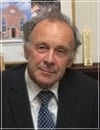
In Philip Buss’s sermon titled "What shall I do for thee?" based on 2 Kings 4:2, the primary theological topic revolves around God's powerful provision in times of desperation. Buss illustrates the desperate plea of a widow, whose husband was a follower of the Lord, as she seeks help from the prophet Elisha amidst her dire circumstance. He emphasizes that, like the widow, humanity often comes before God with nothing to offer, yet God's sufficiency is far greater than our need. Key Scriptural references include Elisha’s miraculous provision of oil, which symbolizes God's abundant mercy and grace, as well as the parallel to Christ's miraculous acts, such as feeding the 5,000, showcasing the theme that God works powerfully even through what appears to be inadequate resources. The significance of this sermon highlights themes of faith, dependency on God, and the assurance that God's provisions surpass human limitations, a central tenet in Reformed theology emphasizing sovereign grace and providence.
“People come in all their helplessness seeking for salvation. They come with nothing. So often they're brought to the Savior with the words of that hymn, nothing in my hand I bring, simply to thy cross I cling.”
“God who created all things is able to recreate and in the miracles following this, the last one in that list, there was just a little quantity of bread. Yes, but it fed a hundred men.”
“True faith is a dependence on a person and their promises, true faith.”
“Our sin, and we're unable to pay that debt, God's righteous justice demands... the Lord Jesus himself met that need.”
The Bible shows that God provides abundantly, even when we have nothing to bring.
2 Kings 4:1-7
God's capabilities are shown through His Word and historical acts of power.
Genesis 1:3, 2 Kings 4:1-7
Faith is essential as it aligns us with God's promises and empowers us to receive His blessings.
2 Kings 4:1-7, Romans 4:20-21
The Bible teaches that God's grace is sufficient to meet all our needs.
2 Kings 4:1-7, 2 Corinthians 12:9
Auto-generated transcript • May contain errors

Comments
Your comment has been submitted and is awaiting moderation. Once approved, it will appear on this page.
Be the first to comment!