Bootstrap
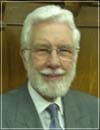
Stephen Hyde

He loved them unto the end

John 13:1
Stephen Hyde August, 17 2025 Video & Audio
0 Comments
Stephen Hyde
Stephen Hyde August, 17 2025

In the sermon titled "He Loved Them Unto the End," Stephen Hyde focuses on the profound love of Jesus Christ as expressed in John 13:1. He argues that this love is eternal, purposed in eternity past, and culminates in Christ’s sacrificial death, which fulfills God's plan of redemption for His people. Hyde supports his claims through scriptural references, especially in John 13:1, where Jesus acknowledges His impending departure and continual love for His disciples. He emphasizes the significance of understanding Christ’s love not only as a theological concept but also as a transformative experience that shapes a believer's relationship with God. The acknowledgment of this love should evoke a response of gratitude and devotion in the hearts of believers, reaffirming the Reformed doctrine of God’s sovereign grace and the personal nature of salvation.

Key Quotes

“Having loved his own which were in the world, he loved them unto the end.”

“To think that God still loved us, and he still watched over us, and he still preserved us…”

“The love of our God… to think that the Lord God watched over us from the very moment we were born.”

“It’s important that you and I understand the wonder of the great gift of eternal life, the wonder of the great plan of salvation.”

What does the Bible say about God's love for His people?

The Bible reveals that God's love for His people is everlasting and unwavering, as stated in John 13:1.

The Scriptures unveil a profound truth regarding God's love, particularly illustrated in the Gospel of John, where Jesus expresses that He loved His own 'unto the end' (John 13:1). This declaration echoes the assurance found in Jeremiah 31:3, where God states, 'I have loved thee with an everlasting love.' Such love is not fleeting; instead, it is rooted in eternity past and persists through time, extending to those whom Christ has redeemed. This love is deeply personal and transformative, as it draws us into a relationship with God, revealing His grace and mercy toward us, not based on our merit but on His character and promise.

John 13:1, Jeremiah 31:3

How do we know that God loves us until the end?

God's love is unwavering, confirmed in scripture and manifested through Jesus' sacrificial atonement.

The assurance of God's eternal love is vividly displayed in the life and ministry of Jesus Christ. As asserted in John 13:1, Jesus loved His disciples 'unto the end,' indicating a commitment that transcends human failings. This promise is backed further by the reality of Christ's atoning work on the cross, where He bore our sins and demonstrated the ultimate expression of love. Believers are encouraged to reflect on their spiritual journey, recognizing the evidence of this love through the regeneration of their hearts and the ongoing work of the Holy Spirit. God's love remains steadfast regardless of our circumstances or shortcomings, offering us a profound confidence in His continual care and guidance.

John 13:1, Romans 5:8, Hebrews 13:5

Why is the love of Christ important for Christians?

The love of Christ is foundational for Christians as it assures us of our identity and security in Him.

Understanding the love of Christ is crucial for Christians as it forms the bedrock of our faith and identity. In John 13:1, Jesus' love for His disciples illustrates the nature of God's commitment to His people, offering not just affection but a promise of eternal fellowship. This love assures us that our standing before God is not based on our performance but on His grace. Additionally, the experience of Christ's love ignites a response in us—a desire to love God and others in return. The transformative power of His love compels us to live a life that reflects His character, fulfilling the command to love one another as He has loved us, further cultivating a communal bond within the body of Christ.

John 13:1, 1 John 4:19, 1 Corinthians 13:4-7

Sermon Transcript

Auto-generated transcript • May contain errors

100%
May it please almighty God to
come and bless us together this morning as we meditate in his
holy word. Let's turn to the Gospel of John,
chapter 13, and we'll read the first verse. the Gospel of John,
chapter 13, and reading the first verse. Now, before the Feast of the
Passover, when Jesus knew that his hour was come, that he should
depart out of this world unto the Father, having loved his
own which were in the world, he loved them unto the end. It's very wonderful to realise
that we have in the Scriptures a very large history of the work
of the Lord Jesus Christ when he was on the earth. And of course much of that work
was his public ministry. But as we come down to this 13th
chapter, and the ensuing chapters really, we have an account of
Jesus where really he didn't speak audibly to the world, he
spoke really to his disciples. the 12 disciples and of course
as we read in this account at one stage then Judas Iscariot
left and went to address the high priest in order to come
and to be a traitor to the Saviour. But we're thankful that we do
have these precious words, really, in the Gospel of John, in detail,
of what he spoke to them on that wonderful night. And it's good
that we spend time, we won't do it tonight, but you can spend
time reading these chapters 13, 14, 15, 16 and 17, which is very
wonderful, speaking about the Saviour. Well, in this case,
we're told now, before the Feast of the Passover, we know that
this was the last Passover, which we have recorded here, the last
Passover that Jesus partook of and the last Passover that was
ever needed because what occurred was that Jesus then instituted
the Lord's Supper and the Lord's Supper of course took the place
of the Passover which had been kept for some thousands of years
and what a wonderful situation it was and how good it is for
us today to realise although we don't partake of the Passover
we can recognise the significance of it and be blessed when we
partake of the Lord's Supper. So here we have then this statement,
now before the Feast of the Passover, when Jesus knew that his hour
was come, the hour that he had come into this world for, the
hour when he would suffer, the hour when he would be crucified,
the hour when he would complete that great work his father had
given him to do, that glorious work of atonement, that work
which would indeed remove our sins as he shed his precious
blood on the cross at Calvary. Well, what a wonderful time it
therefore was to think that Jesus had come into this world for
this reason and therefore we have this statement he knew that
his hour was come he knew of course before he came into this
world that that would be the culmination of those 33 years
it's difficult for us to appreciate the goodness of God toward us
in carrying out this great work this wonderful work. And when
you and I try and think, and it's not easy for us to think
because we're sinful mortals, but to think of Jesus prior to
coming into this world, to being with his father from eternity. Again, another fact that it's
impossible for us to really understand, and yet that is so, and in a
place of perfect bliss, no sin at all everything pure and holy
and then he came into this sinful world and he bore all the difficulties
of this world and as we're told he was tempted in all points
like as we are but there's one difference yet without sin he
never sinned and therefore because he never sinned He kept the righteous
law of God, which you and I failed to keep. And that's why we need
the redemption. We need to be cleansed from our
sin. And the only way is through that
work of the Lord Jesus Christ. But now he's almost finished
his time on this earth. 33 years have passed by and now
that last hour is fast approaching and yet what do we see? We see
God's great love toward his people, his great love toward his church,
in the wonderful things that he was able to say to his disciples
in the upper room, and then of course the things that he endured
in the judgment hall, and then of course the things that he
endured on the cross, and the words that he spoke on the cross. They're recorded for our encouragement,
for our strength, to realize that this great and glorious
plan of salvation was not something which was just hatched up. It
had been ordained in eternity past. And now it was coming to
a fulfillment. And Jesus was to bring about
that fulfillment through his death upon that cross at Calvary
and so he knew that his hour was come that he should depart
out of this world unto the Father well how true it was and by God's
grace by God's grace if we're amongst those who have come to
know the Lord we will also be amongst those who will depart
out of this world and go unto our Father in heaven. Well, that's
a great and wonderful prospect, isn't it? to think that one day
we shall not only be with the Lord Jesus, but also with the
Father and with the Holy Spirit. Remember the Word of God tells
us, no man has seen God at any time. We've never seen the Father,
but yet we do know of course that man was made in the image
of God So we have some idea but we don't know any more than that.
But what a time it will be when by His grace we shall be found
in glory, in heaven, with the Saviour and that for eternity. And so Jesus speaks here, Jesus
knew that His hour was come, that He should depart out of
this world unto the Father. And then he goes on to say these
wonderful, wonderful words, having loved his own, which were in
the world, he loved them unto the end. Well, how important
it is that you and I are partakers of the truth of these words,
to know indeed that we have been and that we are loved of our
God and that we will be loved of our God throughout eternity. It's an amazing consideration,
isn't it? Having loved his own. In eternity
past, God the Father, God the Son and God the Holy Spirit formed
that glorious agreement that there would be those who he would
redeem, those for whom he would die, those who would be with
him throughout eternity. To ponder that and to think Surely
we have to come and ask ourselves really a question in the terms
of the hymn writer, why me? Oh blessed God, why such a wretch
as me? You and I can never say what
we deserve. the mercy. We deserve the favour
of God. We never did. But what a blessing
it is to realise that here we have this statement, having loved
his own in eternity past, and right through
the time until we were born, and then when we were born, and
through this life, and then in eternity. Well, he loved them
unto the end. The end of our little life on
this earth and then to be with him in glory. It's a wonderful
consideration. It's a great blessing to have
a good hope. Therefore, through grace, that
it is well with our soul and we have been and we are loved
of our God. love of our God, to think that
the Lord God watched over us from the very moment we were
born. We never realised it, we never
knew it. Watched over us perhaps in what
we term our unregeneracy, the time when we didn't know God,
when we pleased ourselves, when we did our own thing, and in
actual fact very often walked contrary to God, walked against
Him, disobeyed Him. and to think that God still loved
us, and he still watched over us, and he still preserved us,
and he still brought us to that great day to reveal himself unto
us, as he does not unto the world, as our great and glorious Saviour. The only one, the only one that
could save us The only one that could take away our sins and
pay that price that was due to us. See, all our sins are accounted,
they're all known, and the price to redeem, to take them away,
has to be paid. And you and I could never do
that, because we're sinners. No matter how much we try and
pay the price, we will never be able to, because we find that
sin is mixed with all we do. But the glorious Saviour, because
of His love, because of His love, has paid that price. It's important
that you and I understand the wonder of the great gift of eternal
life, the wonder of the great plan of salvation, and the wonder
that God himself should take away our sins because of his
love He paid the price. Oh, my friends, rejoice in it. It's a great and glorious truth,
but it's something that you and I don't want just to know in
our head. Many people perhaps know the
theory, but you and I need to know it in our heart. And we
need to know the effect of God's love toward us. because the effect
of that love toward us will produce a love in our hearts to God. As we have some recollection
of the cost of our salvation and the wonder of it, and to
think that God has loved us, does that then draw us to Him
in adoration, And also in love, there's that verse which we often
quote in the Gospel of John, not that we loved God, but that
he loved us. It was because of his love toward
us which drew us to him. As God came to us and showed
us how he loved us. He saw us ruined
in the fall, yet loved us, notwithstanding all. It's good sometimes to ponder
that, to think of our little lives, how we lived our little
life. Have we lived it unto God, or
have we lived it unto ourselves? Have we lived it with that desire
to please God? Or have we lived it with that
desire to please ourself? Well, what a mercy when God brought
about in our hearts a change. An amazing change where we became
a new creature, a new person. We viewed things differently.
We saw things differently. We realised what we were by nature,
a sinner, and it brought distress into our hearts and minds. It
brought us to that place of spiritual concern, where we had to come
and cry to God, not just words of theory, but from our very
heart, God be merciful to me, a sinner. Yes, what a mercy for
us today if we know what that was, know what it is still, because
we still have to pray that prayer, it's a prayer which never becomes
old-fashioned. God, be merciful to me, a sinner. And it's this great God who has
loved us and does love us and will love us until the end. who brings us this great and
glorious knowledge of salvation and to realise that it was and
is a personal work. It's a work which God has done
and he makes known to every single born-again child of God. It's not something that you and
I will pass out of this world without knowing. But it's something
which the Holy Spirit will reveal to us, that we are those who
he has loved and does love. Having loved his own which were
in the world, he loved them unto the end. And it's a very humbling
experience, and a very humbling truth, and a very wonderful Blessing
is to be a partaker of this love Really, it's far greater than
anything else you and I can Receive the love of Christ is rich and
free It's wonderful, isn't it? To think it's free God bestows
us bestows it upon us and And the effect of that is to draw
us unto Himself. Draw us unto Himself. Because what does it do? It brings
us to realise that this great and glorious Saviour has indeed
died for us. He's shed His precious blood. A few chapters further on, the
17th chapter of John is a chapter that records the prayer of the
Lord Jesus to his father. He prays for the apostles and
he prays for all believers. It is really amazing. that such
a prayer should be recorded but nonetheless it is and we should
be thankful for it and so in this 17th chapter just to read
two or three verses from verse 6 we're told I have manifested
thy name unto the men which thou gavest me out of the world well
that's a great statement isn't it and it's a statement all of
us need to know. That God has indeed shown us
Himself, reveals to us Himself as that great and glorious Saviour. We're told here quite clearly,
I have manifested thy name unto the men which thou gavest me
out of the world, thine they were, and thou gavest them me,
and they have kept thy word. Well, again, I wonder if we've
kept the word of God, if we've done his bidding, done his will,
followed his words? Well, the Lord Jesus spoke and
said, and they have kept thy word. Now, they have known that
all things whatsoever thou hast given me are of thee. For I have given unto them the
words which thou gavest me, and they have received them, and
have known surely that I came out from thee, and they have
believed that thou didst send me. It's worth just pondering
The depth of those words is net. They're very important to realise
that here the Saviour says, He comes and He says, O Father,
glorify Thou me with Thine own self, with the glory which I
had with Thee before the world was. I, the Saviour, have manifested,
shown Himself, Thy Name, the Father's Name, unto the men which
thou gavest me out of the world. Thine they were, and thou gavest
them me. And then this very important
statement, and they have kept thy word. Well, again, the word
of God is, as I often say, very personal. Very personal. And so today, this morning, Can
we come and say by the grace of God we have been blessed with
this great favour and have kept the word of God, the truths that
he speaks to us, to have kept them. Now they have known that
all things whatsoever thou hast given me are of thee. Again you see personal revelation. For I have given unto them the
words which thou gavest me, and they have received them, and
have known surely that I came out from thee, and they have
believed that thou didst send me. Very relative words, aren't
they? They're so important. And we
should realise that the Lord Jesus here is praying to his
Father and is reiterating the greatness of salvation really
here and the relevance of these great truths to each one of his
children. And surely it is a wonderful
privilege for us to know that God's hand has been upon us. God's hand has turned us to Himself,
given us that humble desire to do His will, to follow His way,
to realise the mercy of our God toward us. It is truly great,
it is truly humbling to think that these words are the words
of the Saviour to His Father, and obviously they're true, nothing
untruthful about it. I have, I have manifested thy
name unto the men which thou gavest me out of the world, thine
they were, and thou gavest them me, and they have kept thy word."
Well, it's only us as individuals, between ourselves and God, whether
we know this to be true, or whether we know this to be false. But
how important it is that we do know these things are true and
have a relevance to us individually. They're not something which is
just something without any substance. It is, and they are, the substance
of our hope of eternal salvation. Well, now they have known that
all things whatsoever thou hast given me are of thee. There was
a time when we did not know, but there is a time when all
the Church of God do know. And all of us stand one side
of the line or the other. with either amongst those who
have been shown their need and have flown to the Saviour for
refuge. That refuge for sinners the Gospel
makes known is found in the merits of Jesus alone. There's no other
way. No other way. Well, I hope this morning that
you and I can trace out our lives our life with God, our spiritual
experience, our knowledge that the Lord himself has shown to
us that he has indeed loved us. But he should depart out of this
world unto the Father, having loved his own, which were in
the world, He loved them unto the end. You see, that love never
varies. You and I, my friends, are very
fickle in our love to the Saviour. The Lord's love is not fickle. It never changes. And what a
wonderful blessing it is, therefore, to have such a God who tells
us He spoke to Jeremiah in their familiar words, but we just read
them in the 31st chapter. At the same time, saith the Lord,
would I be the God of all the families of Israel, and they
shall be my people. Thus saith the Lord. The people
which were left to the sword found grace in the wilderness,
even Israel, when I went to cause him to rest. The Lord hath appeared
of old unto me, saying, Yea, I have loved thee with an everlasting
love, and therefore with lovingkindness have I drawn thee. The Prophet
Jeremiah had a good religion. The Prophet Jeremiah had a difficult
life. He had many things to cast him
down, but he knew where his confidence was. It wasn't what he had done,
it's what the Saviour had done for him. And it's a wonderful
truth that he's able to set before us when he says, the Lord appeared
of old unto me. The Lord does appear still today,
in one way or another, to his people, to give them that evidence
that they are among the family of God, that they are amongst
those for whom Christ died. Well, appeared of old unto me,
saying, Yea, I have loved thee with an everlasting love. You see, God's love to you and
me, if it's once known or once felt, it never leaves us. It may feel very dim sometimes,
but it's still there, because God's promises are fulfilled. It is positive. It is an everlasting
love, and it means, therefore, it can't stop. it can't stop when you and I have been blessed
with that evidence of that love from the Saviour to show to us
really that we've been loved in eternity past we didn't know
it until that time when our spiritual eyes were opened and we beheld
the great and wonderful plan of salvation and it set our hearts
and our affections upon things above, it showed us the glory
of the work of the Lord Jesus Christ, and we praised and thanked
Him for this wonderful blessing. Yea, I love thee with everlasting
love, therefore with loving kindness have I drawn thee. You see, if
you and I have been drawn to the Saviour, remember, there's
nothing naturally that would attract us, but to think that the Lord does
draw us. We see that which is glorious
in the work of the Saviour, glorious in the plan of salvation. It's not something which is irrelevant. is something which is very, very
personal. And what a mercy it is, and what
a blessing it is. You know, Isaiah knew the glorious
truth of it, and we're very thankful for much of the book of Isaiah. I know there are sometimes some
difficult parts in it, but nonetheless there are also some various glorious
parts in it. 49th chapter, we're told, Listen,
O Isles unto me, and hearken, ye people from far. I wonder
if such a statement like that comes to us this morning as a
personal statement. Listen. Listen to the great truth
of God. We've no doubt, all of us have
listened on many occasions, but On many occasions we've never
heard, we've listened, it's never come into our heart, but what
a blessing if it has. And so says Isaiah, the Lord
hath called me from the womb and the bowels of my mother hath
he made mention of my name. Oh, what a humbling experience
that is to realise this wonderful, wonderful favour. And then we
come down further in this 49th chapter in Isaiah and the Prophet
says, Sing, O Heavens! and be joyful, O earth, and break
forth into singing, O mountains. For the Lord hath comforted his
people, and will have mercy upon his afflicted. When the Holy
Spirit convicts us of our sin, that's not a very comfortable
experience. It's really a very uncomfortable
experience. Because we realise we must have
mercy. We must know the Lord Jesus Christ. And so to think then of this
statement, O mountains, for the Lord hath comforted his people
and will have mercy upon his afflicted. What a wonderful positive
position that is. And so the prophet goes on to
say, but Zion said, the Lord hath forgotten, forsaken me,
and my Lord hath forgotten me. Perhaps that's how we feel. We
feel the Lord's forsaken us. We feel the Lord has forgotten
us. Wordly comes down and he says
then to Isaiah, behold, behold, I have graven thee upon the palms
of my hands. That's an eternal blessing. Thy wars are continually before
me. Thy children shall make haste,
thy destroyers and they that make thee waste shall go forth
of thee. Lift up thine eyes round about
and behold, all these gather themselves together and come
to thee. What a mercy it is to have that
faith to look up. We may feel cast down, we may
feel heavy burdened because we're looking down. We're looking down,
we're seeing all our miserable state by nature. All our sinful
inclinations. And we almost give up. We think
there's no hope. That's why we are to look up. Look up to the Saviour. Look
up to Him and realise the wonder of redemption. And be able to
say and acknowledge O mountains, for the Lord hath comforted his
people, and will have mercy upon his afflicted. We may not be
there yet. We may want to be there. We don't
give up, because this word is positive. We're told he hath
and will comfort his people, and will have mercy upon his
afflicted. This is because of his love,
because of his amazing mercy toward us. What a blessing it
is then to be amongst those who enjoy this wonderful favour,
having loved his own which were in the world, He loved them unto
the end. So, if the Lord has loved us,
and let me encourage you by saying, don't despise the day of small
things. The Lord comes and gives you
a warmth towards the things of God, a true sorrow because of
your sin, a true desire to be found living nearer to the Saviour,
a true hunger and thirst after righteousness. You may not perhaps
think it's what you wanted, but we are to be content with those
things which the Lord sees fit to give to us. Because the Word
of God tells us, a little, a little, a little, that a righteous man hath. It's
better than those things of the wicked. My friends, it's not
the quantity, it's the quality. And the quality of God's love
towards us causes and has caused a change. It's produced in our
heart a desire after spiritual things. It's caused us perhaps
that urgent prayer that I might know Him, know Him, the Lord
Jesus Christ and the power of His resurrection. Now if God
shows us, gives us that desire. You know what the reason is?
It's because He's loved us. And because He's loved us, that
love will never cease. It will never cease. What a great,
great glorious blessing it is. What a great wonderful blessing
it is to know that the Lord has said he would never leave us
nor forsake us. In the epistle of Paul to the
Hebrews, the last chapter, we're told, let your conversation be
without covetousness and be content with such things as ye have.
For he hath said, I will never leave thee nor forsake thee. so that we may boldly say, the
Lord is my helper, and I will not fear what man should do unto
me. Well, has the Lord helped you?
Hitherto, has he helped you to pray? Has he helped you to confess
your sins? Has he helped you to seek his
face? the blessings of the Lord. Oh
my friends, may we indeed boldly say, isn't it a grand statement,
the Lord is my helper. Yes, you're not to despise that,
you're not to turn away from it. If the Lord has been your
helper, you're to boldly say so. And say, yes, the Lord has
been my helper. And if he has been your helper,
he will always be your helper. But remember, the Lord has said
he will be inquired of by the house of Israel to do these things
for them. We are to continue to pray. We
are continue to beseech the throne of grace that he will look upon
us. He will smile upon us. He will
show us his love more and more so that we may be amongst those
who grow in grace and in the knowledge of our Lord and Saviour
Jesus Christ. Well, I trust that's our prayer,
I trust that's our desire. that we may be a spiritual people
built up in our most holy faith and rejoicing in the finished
work of our Lord and Saviour Jesus Christ and rejoice in his
mercy and goodness, and rejoice in his love. And so, may we be
amongst those who recognise this great truth, having loved his
own, which were in the world, he loved them unto the end. Well, may we know the love of
God the Father, God the Son, and God the Holy Spirit. Amen.
Broadcaster:

Comments

0 / 2000 characters
Comments are moderated before appearing.

Be the first to comment!

97
Joshua

Joshua

Shall we play a game? Ask me about articles, sermons, or theology from our library. I can also help you navigate the site.