Bootstrap
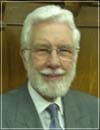
Stephen Hyde

Knowing Jesus Christ Only

1 Corinthians 2:1-5
Stephen Hyde May, 25 2025 Video & Audio
0 Comments

In his sermon titled "Knowing Jesus Christ Only," Stephen Hyde examines the centrality of Christ's crucifixion in the believer's knowledge and faith. He emphasizes the Apostle Paul's determination to focus solely on the message of Jesus Christ and Him crucified, as articulated in 1 Corinthians 2:1-5. Hyde argues that true preaching is not reliant on persuasive human wisdom but on the demonstration of the Spirit's power, leading believers to place their faith in God rather than humans. The message is doctrinally significant as it highlights the necessity of God's grace in salvation, echoing Ephesians 2:8-9 that faith is a gift from God. Hyde's sermon encourages believers to seek a personal relationship with Christ and reinforces the Reformed doctrine of salvation by grace through faith, which brings great glory to God.

Key Quotes

“He determined not to know anything among you, save Jesus Christ and him crucified.”

“Your faith should not stand in the wisdom of men but in the power of God.”

“If Christ had not died that sinatonian death, there would be no value.”

“All of us need that great gift of faith to believe. And God does give that glorious faith.”

What does the Bible say about knowing Jesus Christ?

The Bible emphasizes the importance of knowing Jesus Christ and Him crucified as central to the Christian faith.

In 1 Corinthians 2:2, the Apostle Paul states that he determined not to know anything among the believers except Jesus Christ and Him crucified. This centrality of Christ underscores that true faith is rooted not in eloquent speech or human wisdom but in the acknowledgment of the Savior's sacrifice. Paul wanted believers to focus on the power of God that transforms lives, rather than being swayed by the wisdom of men, which can often lead to misunderstanding and false assurance in spiritual matters.

1 Corinthians 2:1-5

How do we know that Jesus had to be crucified?

Jesus' crucifixion was necessary to fulfill God's plan of redemption and to satisfy the demands of divine justice.

The necessity of Christ's crucifixion is rooted in God's eternal plan for redemption. The Apostle Paul explains that Christ was predetermined to die in the most painful manner to pay the price for sin, thus fully satisfying the Father's requirement for justice. The crucifixion is essential because it exemplifies the immense love and grace of God, illustrating that salvation is not achieved through human effort but through Christ's significant sacrifice. His willingness to endure such suffering reflects His profound love for His Church, which He sought to redeem at all costs.

Matthew 26:39, Romans 8:1

Why is it important for Christians to have faith?

Faith is vital as it is the gift of God that enables believers to trust in Christ for salvation.

Faith is essential for Christians because it is through faith that we receive salvation, as stated in Ephesians 2:8. This gift of faith is not of ourselves; it is given by God to ensure that He alone receives the glory for our salvation. The Apostle Paul emphasizes that our faith should not rely on human wisdom but on the power of God, which works through the heart of the believer. Without the God-given gift of faith, one cannot truly acknowledge their need for Christ and the salvation He offers. Therefore, cultivating a personal relationship with Jesus, rooted in faith, is crucial for every believer's spiritual growth.

Ephesians 2:8, 1 Corinthians 2:5

What does the Apostle Paul mean by 'weakness' in his preaching?

Paul's reference to 'weakness' highlights his reliance on the power of God rather than his own abilities.

In 1 Corinthians 2:3, the Apostle Paul describes his ministry as one characterized by 'weakness and fear and much trembling.' This acknowledgment serves to demonstrate that effective preaching is not about human strength or eloquence but about the power of God working through a humble, dependent servant. Paul recognizes his fallibility and inadequacy, reminding believers that it is not man’s wisdom that saves but the divine influence of the Holy Spirit that brings about transformation. His approach encourages us to rely on God’s strength and assurance, rather than pride in our own capabilities.

1 Corinthians 2:3

Sermon Transcript

Auto-generated transcript • May contain errors

100%
May God be pleased to bless us
together this evening as we meditate in His Holy Word. Let's turn
to the first epistle of Paul to the Corinthians, and the second
chapter, and we'll read the first five verses. The first epistle
of Paul to the Corinthians, chapter two, and reading the first five
verses. And I, brethren, when I came
to you, came not with excellency of speech or of wisdom, declaring
unto you the testimony of God. For I determined not to know
anything among you, save Jesus Christ and him crucified. And I was with you in weakness
and in fear and in much trembling, and my speech and my preaching
was not with enticing words of man's wisdom but in demonstration
of the spirit and of power that your faith should not stand in
the wisdom of men but in the power of God." That is really a very wonderful
statement that we've just read The Apostle Paul wrote to the
Corinthians and how concerned he was, not only then but throughout
his epistles and throughout his preaching, no doubt, that God
would have all the glory. And people wouldn't say, well,
that was a wonderful oration, Paul. He wanted God to have the
glory and he wanted the Lord Jesus Christ to be lifted up
and exalted and honoured and glorified. Well it's a wonderful
testimony and it's a wonderful desire and may we all be of the
same voice and be concerned that still in our day and age that
may be indeed very true of those things that the Apostle desired
and it's good that there They're centered around, really, the
second verse of these five, which tells us that He determined,
and that's a wonderful way, isn't it? He determined not to know
anything among men save Jesus Christ and Him crucified. He obviously didn't want anything
to stand in the way. He didn't want his ability to
stand in the way. He tells us what he was. He was
there in weakness and fear and much trembling. And he didn't
write his ministry very highly. But what he wanted was the power
of God to attend the preaching of the word. Because if the power
of God attended the preaching of the word it would have an
effect. It would have a wonderful effect,
a gracious effect, and indeed an eternal effect. And the Apostle Paul recognized
and knows and explains it throughout the epistles how essential it
was that believers did receive the grace of God. They were blessed. with that heart to believe they
were blessed with faith to believe the great truths of the gospel
and to rejoice in them. And so tonight may we be blessed
with same desires and recognise that as we come before God tonight
and as we declare the testimony of God may our concern be that
only one thing is important that all of you may know Jesus Christ
and him crucified as that one who came into this world with
that great and glorious commission to save sinners, to pay the price
required, to free them from the condemnation of their sin and
to recognise the glory of that truth as the Apostle spoke when
he wrote to the Romans, there is therefore now no condemnation
to those who are in Christ Jesus who walk not after the flesh
but after the Spirit. May that be the desire and the
concern of every one of us here this evening. You see we are
wonderfully privileged to be able to gather freely, to worship. If you look around the world
today, there are not that many places that enjoy the freedom
that we do. And yet, how many people count
it as of no value, are not interested, because they do not fear God,
they do not recognize that they have a never-dying soul, or which
must live forever. Well what a blessing if you and
I have been spiritually awakened to realise the importance of
being right with God. And you and I can only be right
with God if we have the evidence that we know the Lord Jesus Christ
as our Saviour. And we have to answer before
God. It's not what people think of
us. They may think we're a wonderful
Christian. It may be false. We only have
to think, don't we? In the scriptures of Judas Iscariot,
who all the disciples thought was equal with them and never
realised that he was the deceiver. He was. wicked and he was not
a saved man and they didn't realise it. You see how searching these
things are. We can look around and we can
view people and we can sometimes think they're good people and
good believers but they may be deceived and we may be deceived
in thinking that. The great thing is to have a
personal knowledge of the Lord Jesus Christ made over to us
as that great and wonderful Saviour who came into this world to redeem
our souls. Oh, it's a very humbling truth
and a very humbling thought to consider none less than God Himself,
the Creator of all things, the King of kings and Lord of lords,
came into this sinful world to redeem our souls. How wonderful that is, isn't
it? When we look at ourselves and we can say perhaps, with
a hymn writer, what was there in me to merit esteem or give
my creator delight? Because there was nothing at
all really. Nothing good, only bad, only sin. And yet we have a kind and gracious
and merciful God who determined before creation to redeem a people. And it's so humbling, isn't it,
to think that God, all that time ago, And in eternity, we don't
know really what that means, because we don't understand eternity.
And yet, with the Father and the Holy Spirit, determined to
redeem a people, and to think that your name and my name were
amongst those people. We never deserved it. We never
deserved it. yet God in his love determined
to save us. And the great truth is that with
God there are no failures. There are with us, we fail very
often, but with God there are no failures. And what a wonderful,
wonderful truth that is. And so as the Apostle Paul was
So concerned to be determined. Determined. It's good, isn't
it? To have a determination on things
like this. How easily you and I are sidetracked
to minor things. Things really which do not really
matter. And yet we often spend a lot
of time and energy in such things, but this great blessing is to
know the Lord Jesus Christ and Him crucified. And we may have
perhaps asked the question, why is it important that we should
know Jesus Christ and Him crucified? Because the Lord Jesus Christ
had to be crucified. He had to do that which the Father
determined was necessary to pay the price to redeem the Church
of God. And crucifixion was and probably
is still the most painful death. Again, it's good just to realize
that The glorious Saviour didn't choose an easy way out. He didn't elect to die in that
way that people would criticise and say, Of course, he never
suffered very much. It was quite an easy death. No,
he determined and he took the very most difficult way out in
order to satisfy the demands of his father. And he was therefore
crucified upon that cross at Calvary. And we know, we have
a little view, a little insight into what it must have been like,
because we have a view of him in the Garden of Gethsemane,
and in that Garden of Gethsemane, and just remember he'd been with
his disciples, he'd instituted the Lord's Supper, he'd partaken
of the Last Passover, and he'd preached that amazing sermon
to the 11 disciples, in the upper room and now he'd gone over the
brook Kidron and gone into the garden of Gethsemane and in that
garden he prayed to his father and we're told being in an agony
being in agony he dropped as it were great drops of blood
falling to the ground that was to demonstrate The agony that
he endured, that was the effect. And then he prayed to his father,
if it be possible, let this cut pass from me. Nevertheless, not
my will, but thine be done. It's a glorious prayer to see
the willingness of the son of God submitting himself totally
and wholly to his father's will that he might redeem his church. Well, can we not tonight truly
be thankful that we have such a glorious Saviour? And of course
then he was arrested, taken to the Judgment Hall, mocked, spat
upon, beaten, and all these things he absorbed without a whimper. He was doing the will of God,
his father. So eventually he was let out
to be crucified. The finale of his life, the end
of his life. And he didn't hesitate. He didn't hesitate. Why? Very simply. Because of his love. To the Church of God. and how wonderful to think of
that love for you and me. And when we think of what we've
done, how we've lived, how we've sinned, perhaps sometimes sinned
willfully, perhaps sometimes sinned with light and knowledge,
know what's right and wrong and have carried on and sinned. And yet, this great and glorious
Saviour was willing to suffer to take away those sins. What
a merciful, kind and gracious Saviour we have. Well, this is
the Christ. that the Apostle was determined
to make known to the people, I determined not to know anything
among you save Jesus Christ and him crucified. And then he explains
his own situation because we might be tempted to think, well
of course The Apostle was a very strong man and all these things
were very easy for him. But he tells them, he said, and
I was with you in weakness and in fear and in much trembling and my speech and my preaching
was not with enticing words of man's wisdom but in demonstration
of the Spirit and of power." It was the power of God that
had attended the Apostle Paul's preaching. It was the power of
God that converted the Apostle Paul on the Damascus Road. What a wonderful occasion that
was. He never forgot. He never forgot. He could not
forget. that wonderful day and he tells us as we read the Acts
of the Apostles he tells us several times of that wonderful occasion
when God struck him down with that amazing light from heaven
and brought the proud Apostle to that position he thought he
was a good man he thought he was doing all that was right
until that occasion And what was the effect? The effect was
remarkable. The effect was this. Instead
of being a proud man and doing what he wanted to do and what
he thought was right, he now comes and prays, Lord, what wilt
thou have me to do? What was that? Submission to
his Saviour. Submission to the person who
he'd been fighting against. We see the power of God upon
that man. And it brought him therefore
to this position to be able to testify to the Corinthian church
what he was like in reality. He was weak and fear and much
trembling. He doesn't now boast about his
great preaching, the great things that he'd done prior to that
conversion on the Damascus road. He now comes and says that his
speech and my preaching was not with enticing words of man's
wisdom but in demonstration of the spirit and of power. What a wonderful statement that
was and how true it was and we know that through the apostles'
preaching, many people were blessed and many people were converted. And we can praise and thank God
that down through the ages, since then, through the furnishers
of preaching, God has called men, unworthy men, to proclaim
the glory of the gospel. And in the same way that the
apostles spoke, to determine not to know anything among you
save Jesus Christ and Him crucified. Well, it's a wonderful statement,
isn't it? And how necessary it was and
how necessary it is to remember and to take such words and bless
God for it. and he comes and tells us a very
significant statement in this fifth verse. He says that your
faith, remember that's God-given faith, faith is the gift of God,
but your faith should not stand in the wisdom of men. He didn't
want people to rely on what he'd spoken but he wanted people to
rely upon what he'd spoken under the blessed power of God. Power belongeth unto God. It's good in your life and my
life if we have experienced the power of God. The power of God
when he has applied his word to our souls. when we've been
convinced that we are a guilty sinner that we need salvation
and it's the power of God that does that otherwise we carry
on in this poor old world unconcerned and what a blessing if it's true
what the hymn writer says the appointed time rolls on a pace
not to propose but call by grace. And that was what happened in
the apostles' life and that's what happens in every true believer's
life. The power of God applies the
word to our souls. And it's not man's word, it's
God's word. And it has something to accomplish. And
it does. God's words don't fall to the
ground. Man's words may fall to the ground.
My friends, God's words remain forever. They're powerful. They're wonderful. And what a
blessing to have experienced, perhaps in some very small measure,
God's Word being applied to our soul. And we know it's God that
has spoken. And we know it's caused a change
in our lives, which it does. The work of man can just rub
off. God's Word is in power. God's Word is applied and it's
not as the Apostle Paul said with enticing words we don't
want to be just to have a hope in what some man has spoken with
enticing words you know there are good orators around and it's
easy to be taken in by a good speaker but you and I need more
than that we need the power of God and we're told here as the
Apostle says his speech and his preaching was not with enticing
words of man's wisdom but in demonstration of the Spirit and
the power it was the Spirit's work my friends the matter with
our soul is the Spirit's work and we don't want to rest upon
what man says we want to rest what God says and sometimes God
uses men to speak such words but the words come with divine
power into our heart we praise God for it and we thank God for
it and as such we can realize that they were not enticing words
of man's wisdom but they were in demonstration of the Spirit
and of power. What a wonderful thing if you
and I have experienced that in our very heart, God's power speaking. We don't forget God's work. We don't forget God's Word. We
forget many things in this life. But what a mercy when God speaks
to our hearts and we Don't forget, it may have been a very short
and a very simple word to bring us, as it were, to our senses. That occasion brought Paul, didn't
it, to his senses. He was struck down. He was blessed
with that amazingly bright light. We may not have that at all.
But nonetheless, there will be the evidence that the work is
of God. And of course, in the apostle's
case, it brought him to Christ. brought him, he fell down and
the Lord spoke to him and he said, what wilt thou have me
to do? Well, what a blessing if God's
work, which it will, brings us to Christ. It brings us to pray
to Christ, to cry to Christ and he will look upon us and he will
have mercy upon us. that He will redeem our souls
and that by His grace one day that we might be with Him in
glory. And that's the great object,
isn't it? To be with Christ in glory. The solemn truth is that
everyone in this world will either be with Christ in glory or be
with the devil and all his angels in hell. There's no other way. There's no such thing as annihilation. The word of God tells us very
clearly. And remember that wonderful word
that Jesus spoke to that thief on the cross, remember? There
were two thieves, one on each side, and one was not concerned
at all and he thought he was okay. The other one, was moved
by the Spirit of God and he confessed. And he said, this man hath done
nothing amiss. He confessed himself. We indeed
receive that which is due to us. We receive it justly. But
this man hath done nothing amiss. And then he prayed and said,
Lord, remember me. A personal request. Remember me when thou comest
into thy kingdom. And religion is personal. It's between our soul and God. And therefore, that thief said,
Lord, remember me when thou comest into thy kingdom. he'd been blessed
to realise that he was speaking to Almighty God, who had an eternal
kingdom, and he could come to him and ask that he might go
and be with him. And what was Jesus' response?
I tell you, this day shalt thou be with me in paradise. And of course, the thief's life,
he died that day, and to think that from that place on the cross,
his soul went to be in glory. Well, what a wonderful change
there was, a remarkable change, a wonderful change. But that
man came from darkness to light, from deadness to life. Wonderful
thing, wasn't it? And to think that there he was,
one moment with no hope, no concern, the next moment a true believer. Well, what a blessing for you
and me in our little lives if we're taught in a similar way
and that we indeed become a true believer. A true believer, a
one who pleads with Jesus that he might remember us. We all
want to be remembered, don't we? We don't want to be cast
off. We all want Jesus to remember
us. We all want to be found in heaven
at last, at least I hope we all do, to spend eternity in glory
with the Saviour. It's a wonderful, wonderful prospect. Because there we should have
finished with sin and sorrow and pain and opposition and everything
else. It'll be peace and glory. What a wonderful thing it is
then to be found with Christ. And the blessing is, as that
dying thief received, what did he receive? Faith to believe. Faith to believe. And all of
us need that great gift of faith to believe. And God does give
that glorious faith and it's set forth so very clearly by
the Apostle when he wrote to the Ephesians and it's a well-read
and recited passage but it's so very, very important and he
tells us In the eighth verse of the second chapter, For by
grace are ye saved through faith, and that not of yourselves, it
is the gift of God, not of works, lest any man should boast. The simple reason, God will have
all the honour and all the glory. And if you and I were able to
determine our own salvation, God would not have the glory.
but he will have the glory and he tells us in this second chapter
commences with as he wrote to the Ephesians and you hath he
quickened or made alive who were dead in trespasses and in sins
wherein in time past and we all have a time past wherein in time past ye walked
according to the course of this world. We did what we wanted
to do in this world, according to the prince of the power of
the air, the spirit that now worketh in the children of disobedience,
among whom also we all had our conversation in time past. And he spells it out, in the
lusts of our flesh, fulfilling the desires of the flesh and
of the mind, and were by nature their children of wrath even
as others. And then he comes to this grand
and glorious statement, but God. There are a number but gods in
the word of God and this is one, but God, who is rich in mercy
for his great love wherewith he loved us. Great love it was. Great love it is. My friends,
if God has loved us, loved you, loved me, it's great love. And why? Because we're such unworthy
sinners. We don't deserve any love. And
yet here it is, but God who is rich in mercy, for his great
love, wherewith he loved us, And we're told in Jeremiah that
he loved us with an everlasting love and with loving kindness
has he drawn us. Oh, it's all from God. What a blessing it is. And he
says, for God who is rich in mercy, for his great love wherewith
he loved us, even when we were dead in sins. Now, when anybody
is dead, they don't know anything, do they? If you've seen a dead
person, you will know they don't know anything, they don't feel
anything, they can't say anything. There's absolutely no life. And so here, the Apostle tells
the Ephesians, Even when we were dead in sins, hath quickened,
hath made us alive, together with Christ, united with Christ,
by grace ye are saved. Don't forget that. Grace is free,
unmerited favour of God. We never deserved it. Now we
were dead in our sins. and to think that Christ has
come and given us the great and the blessed gift of eternal life,
so valuable, the most valuable gift you and I could ever receive,
the gift of eternal life, because it says what it is, it's eternal
and it's life. it never fades away and so here
we have this statement even when we were dead in sins hath quickened
us made us alive together with Christ by grace ye are saved
and hath raised us up together and made us sit together in heavenly
places in Christ Jesus you know once in Christ in him forever. We won't fall out. We're with
him forever. And so we're told that in the
ages to come, he might show the exceeding riches of his grace
in his kindness toward us through Jesus Christ. And then it comes
down to that eighth verse, which I've already read, but I'll read
it again. For by grace are you saved, a free unmerited favor
through faith, the gift of God. Faith is the gift of God. We
can't merit it. We can't find it. God gives it
to us. The gift of faith through faith
and that none of yourselves It is the gift of God, not of works,
lest any man should boast. You see, if we could merit salvation,
if we could merit faith, then we would boast that it was what
we had done. God would have all the honour
and glory. You won't allow you or me to have any honour or glory. And we are told then, for we
are His workmanship, created in Christ Jesus unto good works,
which God hath before ordained, that we should walk in them. Well, he goes on just to say
this couple of words, wherefore remember. My friends, may you
and I remember the great truths of the gospel and may we truly
rejoice in them and praise God for them. and recognize this
wonderful desire that the apostle had determined not to know anything
among you, save Jesus Christ and him crucified. If Christ
had not died that sinatonian death, there would be no value. That's because Christ did fulfill
his father's will and his father's work. And so he says, my speech
and my preaching was not with enticing words of man's wisdom,
but in demonstration it showed forth the spirit and of power. That's what it showed. That your
faith, I just referred to, your faith should not stand in the
wisdom of men, but in the power of God and no one else. can give
you and me faith apart from God and the power of God. You can't
go and pluck it from a tree. You can't go and find it. It's
that which God gives. And all of us need it. We must
have it. And how wonderful it is that Christ gives this great
and wonderful gift to such unworthy sinners. Well, may we tonight
come and bless God for it, that your faith should not stand in
the wisdom of men, but in the power of God. That's really the
great, wonderful favour. It's not the wisdom of men. Men
may think they're very clever. Men may think they can say this
and say that, but remember, power belongeth unto God. And it's God that gives you and
us, you and me, power to believe the gospel. It's that which God
gives us, power to believe in the Lord Jesus Christ. It was,
of course, the great statement, wasn't it? as the Apostle spoke
to the Philippian Jonah, what must I do to be saved? And he
was told, believe on the Lord Jesus Christ and thou shalt be
saved. We may think, well, the Philippian
Jonah did it of his own accord. No, he didn't. God gave him power
to believe. And what a blessing that was,
and how wonderful it was, and how wonderful it is, and how
we should indeed Rejoice in this great and wonderful truth, which
it is. Well, we have a God who is so
kind and so gracious and so merciful. And he tells us in so many places
in the Word of God, there are so many places that we could
refer to, but just perhaps selecting one or two places in the Thessalonians. In the first letter of Paul to
the Thessalonians, in the first chapter, we read in the fifth
verse, For our gospel came not unto you in word only, but also
in power and in the Holy Ghost, and in much assurance, as ye
know what manner of men we were among you for your sake. And
we became followers of us, and ye became followers of us and
of the Lord, having received the word in much affliction with
joy in the Holy Ghost. Oh, it's a great blessing. to
receive the Word of God, and to rejoice in it, to joy in it,
because we recognize that Almighty God has looked upon us, He's
seen us. As the hymn writer said, He saw
me ruined in the fall, and loved me, notwithstanding all. Oh, what a blessing that is.
How wonderful, what a wonderful favor to recognise this great
and wonderful blessing from Almighty God. Well, you know, when we
read it together in this first chapter of the Corinthians about
the Apostle Paul and how he preached, he tells us, for after that,
in the wisdom of God, the world by wisdom, natural wisdom, knew
not God, it pleased God. by the foolishness of preaching
to save them that believe. And then he just qualifies it,
he says for the Jews require a sign and the Greeks seek after
wisdom but we preach Christ crucified and to the Jews a stumbling block
They couldn't understand it. They expected the Messiah to
come as a great king, not as a relatively poor man. And unto
the Greeks, foolishness. Yes, they couldn't understand
a plan like that. But unto them which are called,
both Jews and Greeks, Christ, the power of God and the wisdom
of God, because The foolishness of God is wiser than men, and
the weakness of God is stronger than men. For you see your calling,
brethren, how that not many wise men after the flesh, not many
mighty, not many noble are called, but God hath chosen the foolish
things of the world. Isn't that wonderful? That suits
us, doesn't it? To confound the wise. And God
hath chosen the weak things of the world, not the strong, to
confound the things which are mighty, and the base things of
the world. And things which are despised
hath God chosen, yea, and things which are not, to bring to naught
the things that are, that no flesh should glory in his presence. But of him are ye, Well, it's
good if we come in there, isn't it? is made unto us wisdom and righteousness
and sanctification and redemption, that according as it is written,
and this is very relevant and so important, he that glorieth,
let him glory in the Lord. Will it be a blessing for us
tonight as we ponder these great and wonderful truths relative
to the Saviour, relative to our salvation. And the result is
that we glory in the Lord because of what he's done to redeem our
soul. Well, by the grace of God, may
all of us know it and rejoice in it. Amen.
Broadcaster:

Comments

0 / 2000 characters
Comments are moderated before appearing.

Be the first to comment!

Joshua

Joshua

Shall we play a game? Ask me about articles, sermons, or theology from our library. I can also help you navigate the site.