Bootstrap
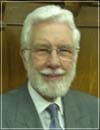
Stephen Hyde

False prophets and the Two Houses

Matthew 7:21-29
Stephen Hyde October, 22 2024 Video & Audio
0 Comments
Stephen Hyde
Stephen Hyde October, 22 2024

In this sermon, Stephen Hyde addresses the theological doctrine of salvation and the evidence of true faith as expressed in obedience to God's will, drawn from Matthew 7:21-29. He emphasizes the importance of not merely professing faith by calling Jesus "Lord," but living in accordance with God's commandments to truly enter the kingdom of heaven. Key arguments focus on the distinction between true and false prophets, highlighting that many will claim divine authority while lacking genuine knowledge of Christ (v. 23). The metaphor of the two houses—one built on rock and the other on sand—illustrates the consequences of foundational choices in faith; a life built on Christ will withstand life's challenges. The practical significance of this sermon lies in the call for believers to actively follow God's Word, avoid grieving the Holy Spirit, and recognize the dangers of superficial faith.

Key Quotes

“Not everyone that saith unto me, Lord, Lord, shall enter into the kingdom of heaven, but he that doeth the will of my Father which is in heaven.”

“What a mercy it is, therefore, if we are founded upon a rock. And of course, the rock that this refers to is none less than the Lord Jesus himself.”

“Our hope is built on nothing less than Jesus' blood and righteousness.”

“He had to dig deep... what a blessing it is if in our spiritual experience we do indeed dig deep and we get down to that firm foundation, the Saviour, the Lord Jesus Christ.”

What does the Bible say about false prophets?

The Bible warns that not everyone who claims to know God will enter the kingdom of heaven; true followers do the will of the Father.

In Matthew 7:21-23, Jesus makes it clear that many will come to Him claiming to have prophesied in His name, yet He will declare, 'I never knew you.' This underscores the importance of genuine faith, which is characterized by obedience to God's will rather than mere verbal acknowledgement. The presence of false prophets is a significant concern, as they may perform impressive acts, but their lives do not align with the truth of God's Word, ultimately leading to spiritual deception.

Matthew 7:21-23

How do we know our foundation in Christ is secure?

A secure foundation in Christ is evidenced by our obedience to His teachings and our endurance through life's storms.

The analogy of the two houses, one built on rock and the other on sand, illustrates the importance of a firm spiritual foundation in Christ. According to Matthew 7:24-27, only the house built on rock withstands the storms of life, symbolizing trials and tribulations. This rock represents the Lord Jesus Himself; thus, our security is found in both faith and obedience to His words. When challenges arise, those who have rooted their lives in Christ's teachings will not falter, proving that true faith produces steadfastness.

Matthew 7:24-27

Why is obeying God's Word important for Christians?

Obeying God's Word is essential as it leads to spiritual growth and prevents grieving the Holy Spirit.

Obedience to God's Word is critical for believers, as highlighted in Matthew 7:24-26. Jesus emphasizes that those who hear His sayings and put them into practice are likened to a wise man who builds his house on a rock. Disobedience, on the other hand, leads to spiritual poverty and vulnerability. It is imperative for Christians to recognize that following the guidance of Scripture not only nurtures spiritual health but also honors God. Ignoring His Word can quench the Spirit and lead to a weakened faith, whereas adherence to His commands cultivates a robust relationship with the Lord.

Matthew 7:24-26

What does it mean to quench the Holy Spirit?

To quench the Holy Spirit means to suppress or ignore His guidance and promptings in our lives.

Quenching the Holy Spirit occurs when believers turn away from the truth and fail to heed the Holy Spirit's leading. This act can result from neglecting prayer, disregard for Scripture, or choosing to engage in sin. When we refuse to follow the promptings of the Spirit, we hinder our spiritual growth and risk experiencing a disconnect from the joy and peace that comes from God. As Christians, it is essential to remain sensitive to the Holy Spirit and avoid actions that might silence His voice in our lives, thereby ensuring a fruitful and vibrant faith.

1 Thessalonians 5:19

Sermon Transcript

Auto-generated transcript • May contain errors

100%
Well, in this sermon on the Mount,
which we have in the Gospel of Matthew, chapters 5, 6 and 7,
we have a great deal of instruction and direction to us, to each
one of us, and how important it is that you and I understand
what it really says and means for us. Lord Jesus, as we come to the
end of this account, he tells us very solemnly, really, not
everyone that saith unto me, Lord, Lord, shall enter into
the kingdom of heaven, but he that doeth the will of my Father
which is in heaven. And I'm sure we're aware in the
day and age in which we live, there are many that will come
and say, Lord, Lord, But the great truth is they don't do
the will of Almighty God. As we read it here, the will
of my Father, which is in heaven. And of course, those are the
things that Jesus has spoken so clearly. And then he says,
many will say to me in that day, Lord, Lord, have we not prophesied
in thy name? And that's a very solemn statement,
really, because prophesying really means preaching. And in thy name
have cast out devils, and in thy name done many wonderful
works. And then will I profess unto
them, I never knew you. Depart from me, ye that work
iniquity. And so we have two really very
solemn statements there which we need to take on board as we
think of what the Lord has said in the previous chapters. And
then he comes and uses again this word, therefore, which of
course refers to that which has gone before. And he says, therefore,
whosoever heareth these sayings of mine, and doeth them, I would
liken him unto a wise man which built his house upon a rock. And again, how important it is
that we recognize the great importance of following what the Lord has
spoken to us because we're told he would liken us unto a wise
man which built upon a rock. And then he gives the illustration
about that and says, and the rain descended and the floods
came and the winds blew and beat upon that house and it fell not
for it was founded upon a rock and what that shows to us is
as you and I journey through life There will be storms. The wind will blow. There will
be difficulties. And what a mercy it is, therefore,
if we are founded upon a rock. And of course, the rock that
this refers to is none less than the Lord Jesus himself. And what a great blessing that
is. And we must recognise that the
Word of God encourages us not to grieve the Spirit of God. And that means we're not to walk
contrary to what God has said. And in this Sermon on the Mount,
there are so many things which the Lord speaks to us and tells
us how we should organise our life. And therefore, whosoever
heareth these sayings of mine, and we've heard them, we've read
them perhaps many times. Well, are we following them?
Or are we grieving the Spirit? You see, if we grieve the Spirit,
it's a very sad thing, it's a very painful thing. And the Lord doesn't
just pass these things over. As you may read these previous
chapters in the Gospel of Matthew, and the same, very similar, in
of course the 6th of Luke, we find there's so much Instruction
then some things we perhaps think oh, well, that's not very important. I can just pass over that and
we Turn away from it and we forget about it, but we shouldn't forget
that in so doing We may be grieving the Holy Spirit of God and that's
a very solemn thing in your life and my life to be found grieving
the Holy Spirit but yet what a blessing it is then if we are
found doing that which is right and then he tells us and everyone
that heareth these sayings of mine and doeth them not doeth
them not shall be likened unto a foolish man so we have the
two examples One's wise and one's foolish. Well, may we all be
amongst those indeed who are wise and who are not left to
be foolish. We are those who do the will
of God and not those who ignore it and turn away from it. Because
then the Lord tells us what will happen. And then again, the rain
descended, as previously, and the floods came, and the winds
blew, and beat upon the house, and it fell, and great was the
fall of it." And of course, the great illustration there speaks
to us and tells us, therefore, there was no good foundation. It was just a sandy foundation. And it's very interesting, as
I'm sure I told you previously, But a sandy foundation is a good
foundation until the rain comes and the floods come. And then
it becomes very loose and won't hold up anything really. But
when it's dry, it's a good foundation. You can often see what it's like
when it's dry. I don't know if you drive down the M25 and see
the A3, and you'll find there there's a lot of dry sand on
the side, and it's standing up very firm and strong. So we must
realize that we may be foolish enough to think, well, we're
okay, everything seems to be going all right. But then, when
the Lord brings the rain and the floods and the winds, then
we find it fails and it falls. And what a terrible situation
that is. And we spoke just now about grieving
the Spirit. And then also, we're to be aware
that we mustn't quench the Spirit. That means to put it out and
not follow the gracious words of God. So how good it will be
if God gives you and me grace to do those things which are
right, to hear his word, to follow the instruction he gives us,
and by so doing, not to grieve the spirit, and also by so doing,
not to quench the spirit. You see, our spirits our spiritual
life can so easily the life can so easily be quenched and we
find ourselves in a sad state because we've walked contrary
to God and really it comes down to this if God has spoken to
us if God has directed us then we should follow that which the
Lord speaks to us we shouldn't think well that doesn't really
apply to me now, I think I can excuse myself. We do so at our
peril. We are to obey God's gracious
words, because God's words are good, and they are right, and
they are for our benefit. And therefore, although they
may appear difficult, and although they may appear contrary to what
we want to do, yet to realise they are in accordance with the
almighty power and word of almighty God. And we come down then to
this great truth that brings us to the fact that our hope
then is not built upon ourself, it's not built on the sand. And
we think of those lines, our hope is built on nothing less
than Jesus, blood and righteousness. And that's a good foundation. And the devil won't be able to
overthrow that. And whatever storms come upon
us, it will stand firm because we're founded upon Christ. Well, just a few comments tonight,
but it's worth pondering. We have this very easy example
for us to remember. Again it's repeated very similarly
in the Gospel of Luke. The one big difference I think
really is that when the man dug down to the rock he had to dig
deep. That means it wasn't an easy dig. He had to dig deep,
whereas if just in the sand It's pretty straightforward, but not
when you're digging down to find bedrock. But what a blessing
it is if in our spiritual experience we do indeed dig deep and we
get down to that firm foundation, the Saviour, the Lord Jesus Christ. Well, may God bless these few
Broadcaster:

Comments

0 / 2000 characters
Comments are moderated before appearing.

Be the first to comment!

97
Joshua

Joshua

Shall we play a game? Ask me about articles, sermons, or theology from our library. I can also help you navigate the site.