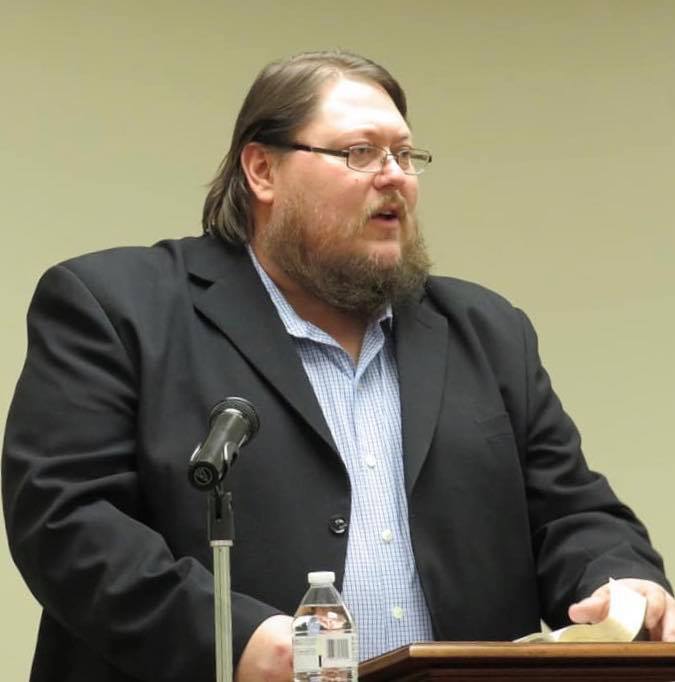
Mikal Smith's sermon titled "The Strait Gate" focuses on the biblical doctrine of salvation, specifically emphasizing its sovereign nature as elucidated in Matthew 7:13-14. Smith expounds on the idea that the narrow gate, representing Christ himself, is the only path leading to eternal life, in contrast to the broad way leading to destruction. He argues that many misunderstand this scripture, treating salvation as a conditional choice rather than a divinely initiated act of grace. By referencing John 10 and 14, he highlights that Christ, as the gate, sovereignly brings His elect into the narrow way through a relationship established by God's grace. Ultimately, this sermon underscores the Reformed emphasis on the sovereignty of God in salvation and the assurance of eternal life for those who belong to Christ, framing salvation not as a matter of human choice but as a declaration of God's eternal purpose.
“Salvation is never left up to a condition that we must keep. Salvation was something that's accomplished.”
“The gospel is something that is declared, not offered. It's not an invitation.”
“The only reason anybody is not on this path is because God in His grace...has lifted us and put us here.”
“No man comes to the Father but by me. This is a statement of fact.”
The Bible states that the narrow gate represents Jesus Christ, through whom all must enter to receive eternal life.
Matthew 7:13-14, John 10:7
Salvation is based on God's sovereign will and not on human decision-making, as reflected in Scripture.
John 10:25-27, Ephesians 1:4-5
The concept of the straight gate is crucial as it represents the exclusivity of Christ and the necessity of faith in Him for salvation.
John 14:6, Matthew 7:13
Auto-generated transcript • May contain errors

Comments
Your comment has been submitted and is awaiting moderation. Once approved, it will appear on this page.
Be the first to comment!