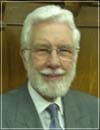
The sermon titled "How frail are you?" by Stephen Hyde focuses on the theological doctrine of human frailty and the certainty of death as underscored in Psalm 39:4. Hyde emphasizes the importance of recognizing one's mortality and the necessity of being spiritually prepared for death. He argues that living without consideration of one's eternal destiny is a grave mistake, as illustrated by the story of Ignorance from Bunyan's "Pilgrim's Progress." Key Scripture references include James 4:14 and John 3:7-8, which highlight the brevity of life and the necessity of being born again to enter the Kingdom of God. The practical significance of the sermon is a call to earnest self-examination and assurance of one's salvation, urging believers to seek a personal assurance that aligns with Reformed doctrine — that salvation is entirely a work of grace through faith in Jesus Christ.
“Lord, make me to know mine end and the measure of my days, what it is that I may know how frail I am.”
“It's the most solemn thing... to carry on in life assuming we shall be all right.”
“We need to compare the very little time of our life with eternity.”
“If the Son therefore shall make you free, you shall be free indeed.”
The Bible teaches that life is but a vapor, fleeting and temporary (James 4:14).
James 4:14, Psalm 39:4
Being prepared for death ensures that we face eternity with assurance instead of fear (2 Peter 1:10).
James 4:14, 2 Peter 1:10
True evidence of being born again includes spiritual transformation and faith in Jesus Christ (John 3:3).
John 3:3, 2 Peter 1:5-8
Auto-generated transcript • May contain errors

Comments
Your comment has been submitted and is awaiting moderation. Once approved, it will appear on this page.
Be the first to comment!