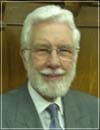
In the sermon on Psalm 142, Stephen Hyde addresses the theological concept of God as a refuge during times of distress. He articulates that David's profound cry for help illustrates the human experience of feeling overwhelmed and alone, paralleling believers' struggles in their spiritual journeys. Hyde emphasizes that David's acknowledgment of his low condition and his call for deliverance reflect a deep reliance on God, supported by scripture references throughout the psalm, specifically verses where David proclaims the Lord as his refuge and where he seeks God's guidance amid peril (Psalm 142:5-6). The practical significance is that believers are encouraged to approach God openly and honestly with their burdens, trusting in His understanding and responsiveness, thereby reinforcing the Reformed principle of God's sovereignty and grace in times of trouble.
Key Quotes
“I cried unto the Lord with my voice. With my voice unto the Lord did I make my supplication.”
“I poured out my complaint before him; I showed before him my trouble.”
“Refuge failed me. No man cared for my soul.”
“Bring my soul out of prison, that I may praise thy name.”
The Bible teaches that God is our refuge, providing safety and comfort in times of distress.
In Psalm 142, David expresses his deep need for God's refuge during a time of affliction, indicating that even in the darkest moments, God is a safe haven. David declares, 'Thou art my refuge and my portion in the land of the living.' This illustrates that God is not only a protector but also the source of our sustenance. Believers find solace in the knowledge that God understands our troubles, as He knows our paths and the snares laid before us. Thus, turning to Him in prayer and supplication brings forth the relief and support that only He can provide.
Psalm 142:5
Prayer is effective because it connects us with God, who hears and answers our requests.
David's earnest cries to God in Psalm 142 demonstrate the power of prayer. He openly pours out his heart, showing his troubles and seeking help from the One who knows his path. The Scriptures assure us that when we call upon God in our lowest valleys, He attends to our cries. This highlights the relational aspect of prayer—it's not merely a ritual but a heart-to-heart conversation with our Creator. By acknowledging our weaknesses and relying on God's strength, we affirm our faith in His ability to respond to our prayers and deliver us from difficulties, as demonstrated throughout biblical history.
Psalm 142:1-2
Recognizing our weakness is crucial for Christians as it leads us to rely on God's strength.
In Psalm 142, David articulates his state of being brought very low and acknowledges that his persecutors are stronger than he. This understanding of human weakness is essential for spiritual growth because it drives us to depend fully on God's might rather than our own frailty. The acknowledgment of our vulnerabilities opens the door to experiencing God's power in our lives. The Bible consistently teaches that God's grace is sufficient for us, and His strength is made perfect in our weakness, encouraging believers to cast their burdens upon Him and seek His aid in every circumstance.
Psalm 142:6, 2 Corinthians 12:9
Psalm 142 illustrates God's compassion by showing how He attentively listens to our cries and delivers us from our troubles.
David's plea in Psalm 142 is a vivid depiction of God's compassionate nature. When David feels isolated and declares that 'refuge failed me; no man cared for my soul,' he turns to God—the ultimate source of comfort. Despite his dire circumstances, David's trust in God's compassion prompts him to cry out for help, affirming his belief that God will respond. This reflects a fundamental aspect of sovereign grace theology, where God’s character is revealed as a compassionate and caring Father who actively listens to the cries of His children and intercedes on their behalf, ensuring that they are never truly alone in their struggles.
Psalm 142:4-5
Comments
Your comment has been submitted and is awaiting moderation. Once approved, it will appear on this page.
Be the first to comment!
