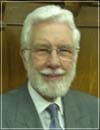
In Stephen Hyde's sermon titled "All Things Possible with God," the main theological topic addressed is the sovereignty of God and the impossibility of salvation apart from His divine intervention. Hyde emphasizes the context of Mark 10:27, where Jesus reassures His disciples of God's omnipotence, particularly in addressing the difficulty of the wealthy entering the kingdom of God. He references this passage to illustrate that salvation is impossible for man but achievable through God's grace. Moreover, he draws on the example of King Manasseh from 2 Chronicles to highlight that God's mercy and transformative power can change even the most hardened hearts, underscoring the significance of individual faith and God’s sovereign grace in the life of believers. This sermon serves as a doctrinal affirmation of the Reformed perspective on salvation, illustrating that it is God's initiative, not human effort, that brings about genuine repentance and faith.
Key Quotes
“With men it is impossible, but not with God; for with God all things are possible.”
“Grace, remember this, is not hereditary. You and I can't go to heaven on the experience or the grace of our parents.”
“What a blessing therefore, to have such a statement like this. But with God, all things are possible.”
“It is through much tribulation that we shall enter the kingdom. But, be of good joy, I have overcome the world.”
The Bible affirms that with God, all things are possible (Mark 10:27).
The Gospel of Mark states, 'With men it is impossible, but not with God; for with God all things are possible' (Mark 10:27). This profound statement by Jesus reassures believers of God's omnipotence and sovereignty. It highlights that while human limitations constrain us, God's power is limitless and can overcome the greatest challenges we face. Thus, faith in God's ability to work miracles should encourage and embolden believers as they navigate through life's trials and uncertainties.
Mark 10:27
God’s sovereignty is evident throughout Scripture, particularly in His ability to change hearts and situations, as seen in the story of Manasseh (2 Chronicles 33).
The sovereignty of God is illustrated through numerous biblical accounts that demonstrate His ultimate control over people and events. For instance, the transformation of Manasseh, a king who led Israel astray, showcases God's ability to change even the hardest of hearts. Despite Manasseh's earlier wickedness, when he was captured and humbled, he earnestly sought the Lord, leading to his restoration (2 Chronicles 33). This not only exemplifies God's sovereign grace in redemption but emphasizes that nothing is beyond His reach. The truth of God's sovereignty provides believers with a sense of security and hope, knowing that He orchestrates all events for His glory and their eternal good.
2 Chronicles 33
Believing that God can do all things strengthens faith and provides hope, assuring believers that nothing is impossible with Him.
The assurance that all things are possible with God is a cornerstone of the Christian faith. This belief empowers believers to face life's challenges with confidence, knowing that their God is not limited by human constraints. For example, the testimony of biblical characters like Jonah and Daniel illustrates that in seemingly impossible circumstances, God's intervention brought about deliverance and transformation (Jonah 1-2, Daniel 6). Embracing the truth that nothing is impossible with God encourages Christians to trust Him in every aspect of life, fostering an unwavering hope. This trust is not merely an abstract belief but a relational confidence that deepens as one recognizes God's faithfulness throughout Scripture and personal experience.
Jonah 1-2, Daniel 6
Taking up our cross and following Jesus means embracing personal sacrifice and commitment to live according to His teachings and example.
In Mark 10, Jesus instructs His followers to 'take up the cross and follow me,' which calls for a deep commitment to deny oneself and live for Christ (Mark 10:21). This concept of taking up one's cross is emblematic of the sacrifices that may be required in the life of a believer, as they align their will with that of God. It signifies a willingness to endure trials and tribulations for the sake of the Gospel and to embody the humility and justice exemplified by Christ Himself. Following Jesus in this manner implies surrendering personal ambitions and desires, seeking instead to glorify God in every aspect of one’s life. This path often comes with struggles, but it ultimately leads to eternal reward and fulfillment promised by Christ.
Mark 10:21
Comments
Your comment has been submitted and is awaiting moderation. Once approved, it will appear on this page.
Be the first to comment!
