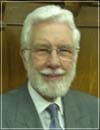
The sermon delivered by Stephen Hyde focuses on the proclamation of Jesus Christ as the central theme, drawing heavily from Acts 8:5. Hyde argues that Philip, as the deacon, was instrumental in bringing the gospel to Samaria, where the people were previously unaware of the Messiah. He cites specific scriptures, particularly from Isaiah and Luke, to affirm the divinity of Christ, emphasizing His virgin birth and sacrificial role as Redeemer. The practical significance of this message is underscored in how it calls believers to recognize the joy that comes with faith in Christ, while also warning against shallow belief, as exemplified by Simon the Sorcerer. Hyde emphasizes that true faith leads to genuine joy and engagement in the life of Christ, setting the stage for a transformative experience among the Samaritans and the Ethiopian eunuch.
Key Quotes
“May it please Almighty God to bless us together this evening as we meditate in His Holy Word.”
“He came to redeem his church. He came to save his people from their sins.”
“What a blessing it is if we find in our heart a movement, a thankfulness to our gracious and glorious God for his mercy, for His love, for His favour toward us.”
“We should come and say tonight, what a Saviour! How unworthy I am!”
The Bible emphasizes the importance of preaching Christ as central to the faith and the gospel.
The act of preaching Christ is rooted in the mission of the early church as seen in Acts 8:5, where Philip, the deacon, went to Samaria and preached Christ to them. Central to his message was the fulfillment of Old Testament prophecies concerning the Messiah, which included vital truths about Christ's virgin birth, deity, and sacrificial death for the sins of His people. This preaching is not just about relaying historical facts; it's about revealing the transformative power of the Gospel, which shapes one's life and leads to great joy among believers.
Acts 8:5, Isaiah 7:14, Luke 1:35, Isaiah 53
We know Jesus is the Messiah because His life and ministry fulfill the prophecies of the Old Testament.
The evidence for Jesus as the Messiah is found throughout the Scriptures, particularly in the fulfillment of prophecies concerning His birth, life, and atoning work. The prophecy in Isaiah 7:14 explicitly states that a virgin would conceive and bear a son called Immanuel, which is confirmed in Luke 1:35 when the angel announces to Mary that she would bear the Son of God. Furthermore, the entire sacrificial system and prophetic writings point toward a sufferer who would atone for the sins of God’s people, as described in Isaiah 53. These biblical foundations assure us of His messianic role.
Isaiah 7:14, Luke 1:35, Isaiah 53
The virgin birth is crucial as it affirms Christ's divine nature and His uniqueness as the Son of God.
The virgin birth is not just a miraculous event; it is foundational to understanding who Jesus is. It assures us that Jesus did not inherit the sinful nature passed down through Adam but was instead conceived by the Holy Spirit, as declared in Isaiah 7:14 and confirmed in the New Testament. This divine conception highlights Christ's identity as both fully God and fully man, setting the stage for His role as the sinless Savior. Without the virgin birth, the entire doctrine of the Incarnation, which is fundamental to our faith, would be compromised.
Isaiah 7:14, Luke 1:35
Jesus' sacrifice is significant as it paid the penalty for our sins and fulfilled the requirements of God's justice.
The significance of Jesus' sacrifice lies in its role as the atonement for sin, providing a means for sinful humanity to be reconciled to a holy God. As prophesied in Isaiah 53, He bore our griefs and carried our sorrows, wounded not for His own transgressions but for ours. This sacrificial death fulfills the justice that God's law demands for sin, demonstrating His profound love and mercy. Furthermore, through His death and subsequent resurrection, believers are granted eternal life, highlighting the hope and assurance that accompanies the Gospel message.
Isaiah 53:5, Matthew 1:21
Comments
Your comment has been submitted and is awaiting moderation. Once approved, it will appear on this page.
Be the first to comment!
