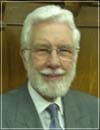
In Stephen Hyde’s sermon "Maintaining Purity," the central theological focus is on the doctrine of sanctification as outlined in 1 Thessalonians 5:22-23. Hyde argues that believers are called to "abstain from all appearance of evil," emphasizing the importance of aligning one's life with the Truth of Scripture and the necessity of maintaining moral purity in both spiritual and practical aspects of life. He supports his argument with various Scriptures, including references to the epistles to the Corinthians and Jude, linking the call to contend for the faith with the act of sanctification. The practical significance of this doctrine is the assurance that God, being the "God of peace," will sanctify believers wholly and preserve their integrity until the coming of Christ, highlighting the essential Reformed emphasis on grace and the continual work of the Holy Spirit in a believer's life.
“We are to abstain from all appearance of evil... Everything which doesn't agree with the Word of God, we are told to abstain from all appearance of evil.”
“The very God of peace sanctify you wholly... your whole spirit and soul and body be preserved blameless unto the coming of our Lord Jesus Christ.”
“We should be faultless only because we're washed in the blood of a lamb. We won't be faultless in and of ourselves because we're sinners, sinners saved by God.”
“Prepare me, gracious God, to stand before thy face. Thy spirit must the work perform, for it is all of grace.”
The Bible instructs us to abstain from all appearances of evil as part of maintaining purity.
1 Thessalonians 5:22-23
Sanctification is affirmed in scripture as a work of God's grace in the lives of believers.
1 Corinthians 6:11, Jude 24
Maintaining purity is crucial for Christians as it reflects our commitment to God and His holiness.
1 Thessalonians 5:22-23
Auto-generated transcript • May contain errors

Comments
Your comment has been submitted and is awaiting moderation. Once approved, it will appear on this page.
Be the first to comment!