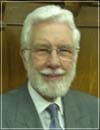
In his sermon titled "Blotting Out Our Sin," Stephen Hyde explores the doctrine of redemption as articulated in Colossians 2:13-15. He emphasizes the transformative power of Christ's work on the cross, where He blots out the legal demands against sinners and secures their forgiveness. Hyde argues that before salvation, humanity is spiritually dead in sin, but through God’s grace, believers are quickened and united with Christ, receiving forgiveness for all their transgressions (Ephesians 2:1-10). He supports this with references to various Scriptures, including Romans 4:25 and Galatians 3:13, highlighting that Christ's sacrificial death redeems us from the curse of the law and the power of sin and Satan. The practical significance of this message lies in the assurance of salvation and freedom from condemnation, encouraging believers to rejoice in the completeness of their salvation through faith.
“We were born in sin and shapen in iniquity. We were spiritually dead. We had no life.”
“What a great and glorious blessing that is. Because the Saviour, indeed, carried our sins.”
“Can we not rejoice in the work of the Saviour? Can we not rejoice in this great salvation?”
“Sin is pardoned, the law is abolished, and Satan conquered.”
The Bible teaches that God forgives all our trespasses through Christ's sacrifice.
Colossians 2:13-14, Romans 4:25, Ephesians 2:8-9
Christ's sacrifice is sufficient because He bore our sins, fulfilling the law and reconciling us to God.
Galatians 3:13, Colossians 2:14, Ephesians 2:16
Understanding our former state as dead in sin highlights the necessity of regeneration through Christ.
Ephesians 2:1, Colossians 2:13
Having our sins blotted out means they are completely forgiven and no longer counted against us.
Colossians 2:14, Romans 8:1
Auto-generated transcript • May contain errors

Comments
Your comment has been submitted and is awaiting moderation. Once approved, it will appear on this page.
Be the first to comment!