Bootstrap
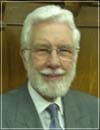
Stephen Hyde

Bless The Lord O My Soul

Psalm 103:1-2
Stephen Hyde January, 10 2020 Audio
0 Comments
Stephen Hyde
Stephen Hyde January, 10 2020

Sermon Transcript

Auto-generated transcript • May contain errors

100%
May it please God to bless us
together as we meditate on His Word. Let's turn to Psalm 103,
and we'll read verses 1 and 2. Psalm 103, and we'll read verses
1 and 2. Bless the Lord, O my soul, and
all that is within me. Bless His Holy Name. Bless the
Lord, O my soul, and forget not all his benefits. We know this is a psalm of David,
a man after God's own heart, and we're thankful we have such
statements before us to realize that here was David, as it were,
speaking before his God. you read through this psalm we'll
find there aren't any requests as it were but there's an acknowledgement
of what God has done and what God is and his wonderful favor
and it's good for us to realize that and to recognize also that
it is a very personal statement bless the Lord O my soul personal
we all have a soul you and I we all have a a soul. How important
it is that our souls are favoured. Bless the Lord, O my soul. It's our desire to bless our
God for all that he has done, for all his love, for all his
mercy. Now, if God has not done anything
for us, if we know nothing of God, then such a statement will
really be irrelevant to us. because it won't speak to us
and we won't speak as such because the psalmist Lord oh my soul
and all is within me is that which God had done for him that
he was able therefore to express his desire to bless his God and
he says bless his holy name again in one of the very clear aspects
of the work of God in the soul of a believer is to bring the
evidence of the holiness of God. We shall not treat God as just
an ordinary person. We shall treat him as a holy
God. Bless his holy name and its relevant
to notice that the psalm starts with bless the Lord oh my soul
and the psalm ends with bless the Lord oh my soul and between
those two statements we see wonderful truths contained and how relevant
it is to recognize that David is concerned that we do not that
he does not that we do not forget all the benefits which God has
given to us. By nature, we're forgetful. By nature, we are unthankful. Now, sometimes we need to be
reminded of what the Lord has done, of his great benefits toward
us and how humbling it is to realise that God has done things
for us, not because we deserve them, nothing in ourselves, nothing
that deserves any acknowledgement from Almighty God, but to recognise
the great blessings which God has given to us. David in this
psalm really enumerates some of those blessings which he has
received, and it's a good thing you and I can echo such statements
and acknowledge that we have also received them and therefore
our desire from our heart is to bless the Lord O my soul this
is not you know a one-off experience it should be something which
is with us day after day to bless God because the Lord has wonderfully
favoured us all. You look upon it tonight. Here
we are in a calm place to worship. The Word of God in our own language
to read. People like minded to gather
with. People would like testimonies
to be able to converse one to another. These are great benefits. These are great favours and we
are therefore exhorted not to forget such blessings. Most of us, if not all, have
been brought up in a godly environment and often we've just accepted
the position, accepted the situation and not really Bless the Lord
for these favours. Bless the Lord, O my soul. What a desire it was that David
had. And how good it would be for
every one of us here tonight if our concern is to bless the
Lord, to praise him, to thank him for his love, for his mercy. There are so many encouraging
words in the Word of God to instruct us how we should approach and
come to Almighty God. In an earlier psalm of David,
Psalm 34, he tells us this, the first verse, I will bless the
Lord when at all times his praise shall continually be in my mouth. That's a good statement, isn't
it? You know, as we commence this year 2020 on this first
Lord's Day, to have such a word as this constantly upon our lips
as we proceed through the year, not to be left to complain, not
be left to groan and murmur against what God has provided. We have
many examples in the Word of God of Israel of old, they murmured
against the Lord, They had no right to murmur against the Lord. The Lord was with them. The Lord
had very clearly spoken to them of what he would do for them
and how they proved his favour and blessing every day. Yet it
didn't always come into what they considered they wanted. and what they needed. So they
thought and therefore, what did they do? They wandered away. They turned against God, that
God who had been so merciful to them, that God who brought
them out of Egypt. And it may be spiritually like
us today. The Lord may have brought us
out of spiritual Egypt. Israel were brought out of natural
Egypt. some of them are also brought out of spiritual ageing
but how we need to be brought out of that spiritual bondage
and if we have to not be complainers to not be murmurers just because
things don't appear to go in accordance with what we want
and what we think perhaps we deserve almost but remember then
what David speaks of here. I will bless the Lord at all
times. That means good and bad. Still
bless God. See, God doesn't lay on his people
more than they are able to bear. He does lay things upon us. He
lays things upon us to keep us down, to lay us low, left to
ourselves. We might be very proud we might
find ourselves walking in an opposite way we may find ourselves
forgetting God and therefore God in his gracious
purpose brings us low and sometimes keeps us low but in that position
we should still find this word acceptable and desirable I will
bless the Lord at all times His praise shall continually be in
my soul. You see, bless the Lord, O my
soul. And then he says, my soul shall
make her boast in the Lord. The humble shall hear thereof
and be glad. It's a word which follows a bit
along the lines we spoke of this morning about humbleness. And
the truth is that those who are truly humble will hear such words. They will hear what God's people
are speaking about. Those who are not humble, those
who are proud or following their own course won't hear because
they don't possess that spiritual understanding and that spiritual
ear. And then he says, oh, magnify
the Lord with me and let us exalt his name together. It's a very
Beautiful statement, isn't it? Oh, magnify the Lord with me. That means enlarge the name of
our God, enlarge in our own estimation the greatness of our God, the
wonderful love of our God, the wonderful mercy and favor of
our God and his glorious grace. Oh, magnify. Let us enlarge the
Lord with me, he says, and let us exalt His name together. You know, we do many things,
but do we exalt His name? Do we join together and exalt
in His name? It doesn't say this is something
to be done by an individual. It's something to be done by
the Church of God to exalt His name together. And in just a
couple more verses, we won't go much further, but he says,
I sought the Lord And he heard me. Oh, bless the Lord, oh, my
soul. Can you bless the Lord tonight? Because you prayed unto him. And he heard you. And he delivered you from all
your fears. You may have had many fears the
unknown way. may appear very dark, very difficult. And the Lord heard. He heard
your cry. He heard your prayer. And therefore,
you can understand the truth of this word. I sought the Lord
and he heard me and delivered me from all my fears. They looked
unto him and were lightened and their faces were not ashamed. This poor man cried and the Lord
heard him. and saved him out of all his
troubles. Well, such statements are very
wonderful and such statements should therefore bring forth
an echo. The words here bless the Lord. Oh, my soul and all this within
me. Bless his holy name. It is clear that David really
was full of the blessings of the Lord and he wanted to declare
them. He wanted to acknowledge them.
He wanted people to recognise what the Lord had done for him
and blessed him. And he didn't want to forget
all those things which God had done. Let us not be forgetful. Let us remember all the way the
Lord has led us. May be short. May only be a day
or so. May be weeks, may be months.
Maybe many years, but let's not forget all his blessings, all
his benefits toward us. And not only, of course, in natural
things, which we should be very thankful for, but also in the
spiritual things, because David is here saying, bless the Lord,
oh, my soul is really concentrating on the spiritual things which
concern his eternal soul. And that must be very important
to us, those things which concern our eternal soul. Our soul lives
forever. Our body will fade away, our
body will die. Our soul lives forever. Bless
the Lord, O my soul, and all that is within me, bless his
holy name. And then he goes on and says,
Who forgiveth? all thine iniquities, who healeth
all thy diseases. That means there are none left
out. No, what we might term the small
things, the small sins, the small iniquities, they are all forgiven. We have a God who forgives and
when God forgives, He doesn't bring it back. He doesn't shake
it before us again. People may do so, but God doesn't. It's forgiven. It's taken away. It's washed away. And where,
how is it? It's washed away in the precious
redeeming blood of the Saviour. What a wonderful blessing it
is to realise that this God forgives and heals forgives our iniquities
and heals our diseases and maybe those things perhaps which are
like a disease which keep on irritating us keep on dragging
us down keep on keeping us away well here we have such a statement
as who forgiveth all of thy iniquities and healeth all our diseases
it's a very comprehensive statement. Let us not doubt the great truth
of the word of God. And so if you and I are able
to acknowledge this, surely it's a cause for blessing the Lord. Oh, my soul, for acknowledging
this great and wonderful blessing. He goes on to say who redeemeth
thy life from destruction, who crowneth thee with loving kindness
and tender mercies to such undeserving sinners. When, by the grace of
God, the Holy Spirit reveals to us something of what we really
are before our Holy God, it'll make us tremble because of what
we deserve. And we deserve to be cast out.
and the presence of God forever. We can't qualify for anything
other than that, because we are sin from head to toe. And we
have turned against our God, followed the advice of the evil
devil himself. And yet we have this great statement,
who redeemeth our life from destruction. We were perhaps going, we all
were, going on that broad road, that broad road of destruction
that ends in only one place. And that place is everlasting
torment in hell. That is our just desert. And what a blessing if it is
now away from us because of this great truth. The Lord has redeemed
our life, our spiritual life from that destruction. Let us
just for a moment think of what that really means. There we were
on this broad road. And the Lord stretched forth
his hand. Well, I know not, of course,
whether that's true of all of us, you know in your own heart, whether you have the wonderful,
blessed favour of being one who has been redeemed from destruction. Yes, you've been freed from it.
Destruction was before you. You're going on that broad road
and Yet the Lord, in love to your soul, said, Thus far shall
thou go and no further. The Lord plucked you, as the
Word of God describes it, as a brand from the burning. Left to yourselves, you would
have been destroyed. Think of the love of God. plucking us as a bran from the
burning and redeeming our life from destruction. Now, in order
to redeem us, what was involved? There was a price to be paid. Sin had to be paid for. It had
to be removed. Otherwise, we would remain in
that road to destruction. We needed to be saved from our
sin. We needed to be redeemed from
destruction. Well, David tells us who redeemed
us by life and destruction. And who is he speaking of? Bless
the Lord, the Lord God. The Lord Jesus Christ himself,
who redeemed his people and he paid the price due to us. That price of destruction, which
we could not remove ourselves because of our sin, our sinful
nature. It was sinful and we could not
remove that sin. We cannot remove us from that
road to destruction. But the Lord Jesus Christ, the
great and glorious Lord God, the second person in the Trinity,
so wonderfully and so gloriously came down into this sinful world
in order to redeem our souls. In order to pay the price. which
was due to us to free us from the condemnation of our sin. And that price was the life of
our Saviour. And that life was set forth in
the shedding of His valuable, precious blood. That was the
redemption required to save us from destruction. No wonder,
is it, that David says, bless the Lord, O my soul and all that
is within me. He was taken up with this great
and wonderful list of blessings that he had received. And how good for us tonight if
we can echo these words from our not a theoretical acknowledgement,
but a demonstration of the power of God within us so that we're
able to speak these words. Bless the Lord, O my soul, who
redeemeth my life from destruction. It is a very glorious and wonderful
truth and it is really the Gospel to our souls. No wonder, is it,
that David therefore commences the psalm and ends the psalm
with these great words, Bless the Lord, O my soul. How we fail
so much to truly bless the Lord. But nonetheless, the word of
God is true. And then he says, Who crowneth
thee with loving kindness and tender mercies." That's amazing,
isn't it? To think that God, the ever-living
and true God, crowns us with loving kindness and tender mercies. Was it because we loved God? Not at all. John tells us, not
that we loved God, but that he loved us. It's his love and it's
his tender mercies toward us so utterly undeserving. It's often, I suppose, perhaps
always so difficult for us to grasp such a great and glorious
truth, such a wonderful statement. We no doubt read this 103rd Psalm
many times. It's a very wonderful psalm. the psalm which deserves to be
read very many times. I understand in years past, especially
in Scotland at the communion season, they used to sing this
psalm at the commencement of the proceedings. And indeed,
how suitable it was and how suitable it is for us to realise this
blessing. Who crowneth thee with loving
kindness, tender mercies. Well, we must surely ask ourselves
the great question, do we know something of the loving kindness
and the tender mercies of the Lord? That means that God hasn't
dealt with us as our sins deserve. Tender mercies. Very gracious. How wonderful to think almighty
God graciously gloriously condescends to look upon us individually
individually personally personally and communicates with us in this
personal way his love toward us his loving kindness and his
tender mercy You know, such revelation, which it is, will have a gracious
and good effect upon our hearts. And I believe when the Holy Spirit
shows us these blessings and gives to us these blessings,
the result is that we do bless the Lord. Oh, my soul and all
that is within me, because It's as though the word of God is
true. If we hold our peace, the very stones would cry out. Here is a God of great love. Here is a God of great mercy,
who demonstrates it clearly and faithfully to an unworthy people,
an unworthy generation, who redeemeth our life from destruction. crowneth
thee with loving kindness and tender mercies, crowns us, grants
us that entry into the kingdom of God, crowns us. Well, tonight, may we be able
to look into our hearts and find there the wonderful evidence
of God's love and mercy toward us. and the effect it may have
upon us. So even tonight, we go on our
way rejoicing and able to say, with David, from our heart, from
our very innermost being, yes, within me. So this is the personal
testimony of the work of God in our souls. It's that work
between Almighty God and the sinner. is that work which is
known and realised by the saved soul. Bless the Lord, O my soul,
who redeemeth thy life in destruction, who crowneth thee with loving
kindness and tender mercies. And then he says, who satisfies
thy mouth with good things, so that thy youth is renewed like
the eagles well we're a dissatisfied people aren't we we're never
satisfied we always want this and we always want that and what
do we do? we forget to bless the Lord so
how can we expect to find this position of satisfaction and
yet the Lord says who satisfies thy mouth with good things that
means that we're able to partake of those things which will support
and bless our souls spiritual food well tonight it would be
a wonderful thing if you and I can say yes I'm satisfied with
what the Lord has given me I rejoice in his wonderful favour towards
me. And hence, I bless the Lord, O my soul, for that which he's
given me. And there is then that renewal,
so that my youth is renewed like the eagles. We receive strength,
renewed strength in our spiritual life. We may have become weak
and very feeble, weak and very feeble, because our prayers have
degenerated into just a mere form of words. There's no energy
in them. There's no sincerity in them.
There's no drawing near unto our God. And yet, what a blessing
if it's renewed. God renews it. And the true believer knows what
it is to have a spiritual renewal these things so my youth is renewed
like the Eagles yes it's a wonderful blessing to have those times
of favor renewed as we go back to our youth in spiritual things
the beginning the Lord came and softened and touched our hard
hearts And now the Lord renews it again, like it was in our
spiritual youth. And we come and we bless God. We praise God and we say, bless
the Lord. Oh, my soul. What a mercy that
it is for these things. And he goes on. The Lord execute
his righteousness and judgment for all that are oppressed. Well, I suppose we do become
oppressed. The Church of God does become
oppressed. But how good it is to read, to
read such a word as this, the Lord executes righteousness and
judgment for all that are oppressed. That means he brings it to pass. It occurs. It's not something
which is just a mere statement. It's something which comes to
pass. He gives righteousness. And he brings judgment to all
that are oppressed. And there are those times, of
course, when we are oppressed because of our sin, because of
the sins which do so easily beset us. You won't settle down in
that statement. You won't say you won't make
excuses because of it. You'll mourn because of the truth. The sin which does so easily
come upon us and possess us. And yet here we have a statement,
the Lord executed. He brings about righteousness. He makes us just. We're justified. Again, not because of what we've
done, but because of what he's done. What does it do? It brings
us to Calvary. brings us to Calvary. And there
we see the saviour dying, the just for the unjust. So that you and I might be made
just. I might be there as those, therefore,
that receive this great and glorious righteousness, which means, of
course, that we are right with God. Oh, what a blessing. Right with God. and judgment
for all that are oppressed. And he goes and says, he may
know his ways unto Moses, his acts unto the children of Israel. Yes, we're told the Lord, he
led them forth by the right way that they might go to a city
of habitation. That was true of Israel. And
it's true of all the people of God. There are no exceptions. He needs every one of his people
by the right way. They might go to a city of habitation. He may know his ways under Moses,
his acts unto the children of Israel. Yes, they were very clearly
set before them. The Lord's direction was given
through Moses. They were told they would come
into the promised land. The Lord didn't fail them. Many
failed God, many turned back. Many disbelieved. But you see,
God was faithful and God is faithful. He's faithful to the Church of
God today. Blessed be God. And so he goes
on. The Lord is merciful and gracious,
slow to anger and plenteous in mercy. You see, all these are
great reasons to bless the Lord, O my soul, and all that is within
me to bless his holy name. So we have no excuse not to bless
the Lord with every reason to bless the Lord. And remember,
it is our souls to bless almighty God and all that is within me.
His whole being was taken up with a recognition of the great
things that God had done for him and the wonderful blessings
that the Church of God had received and would receive. The Lord is merciful and gracious,
slow to anger and plenteous in mercy. What a mercy that is for
us today. If it wasn't so, there'd be no
hope for us. But because God's word is true,
there is hope for us. What a wonderful favour it is
to realise this truth. The Lord is merciful. Yes, he is. He was and he is. He doesn't change. He is merciful
and he's gracious. Slow to anger. Ponder that. If God was quick to anger, how
we would be cut off, wouldn't we? How do we sin? How do we
sin again? How do we deserve God's wrath? And yet, he's slow to anger. We have the evidence of it in
the history of Israel of old. He was slow to anger. He bore
with their sins in the wilderness. And my friends, the gracious
God, he bears with us. Amazing, isn't it? I think he
doesn't cut us off as a camera of the ground, but he's merciful
and he's gracious, slow to anger and plenteous in mercy. Well, I'm sure every true believer
understands the plenteous mercy of God. It's because of his plenteous
mercy that we're here tonight. And so can we. Bless the Lord
because of it. I hope we can. Bless the Lord,
O my soul, for his plenteous mercy. He will not always chide,
neither will he keep his anger forever. We just move on. He
has not dealt with us after our sins, nor rewarded us according
to our iniquities. Just try and think of that. Let's
try and ponder all the sins of your life. Has God dealt with you as your
sins deserve? Has He rewarded you according
to your iniquities? What's the answer? Well, we must
know the answer. The answer is no, He hasn't.
He's been very gracious. He's been very compassionate,
and he hasn't dealt with us as our sins, and he hasn't rewarded
us according to our iniquities. For as the heavens are as high
above the earth, so great is his mercy toward them that fear
him, as far as the east is from the west, so far hath he removed
our transgressions from us. You see, the east and the west
are completely opposite. They never come near, they go
farther away. And that's what the Lord says
about our transgressions. Bless the Lord, O my soul, and
all this within me. Bless his holy name. And then
he says, like as a father, pity of his children. Well, perhaps
we can understand that. It's a lovely little illustration,
isn't it? We pity our children. We pity their situation very
often. And here we have this gracious
truth, like as a father pities his children, so the Lord pities
them that fear him. He remembers, he knoweth our
frame. He remembers that we are dust. Now, that should be an encouragement
as we fail again and again to think that our gracious God pities
us. And it doesn't mean to say You
and I sin willfully or just carry on sinning because it pleases
us. But because we fall. The Lord pities us. He understands. He knows our frame. He remembers
that we are dust. What a gracious God we have.
Reason then to bless the Lord, O my soul. And all that is within
me, bless his holy name. As for man, his days are as grass,
as a flower in the field, so he flourisheth, for the wind
passeth over it, and he is gone, and the place thereof shall know
it no more. That's so true, isn't it? Man is born, man dies. He's on this earth for just a
short period, and then he's no more. soon forgotten people are
soon forgotten we see perhaps some statutes placed in eminent
places for eminent people who've passed away and you may pass
by and no idea who the person is no no no more but the mercy
of the lord is from everlasting to everlasting upon them that
fear him and his righteousness unto children's children, to
such as keep his covenant and to those that remember his commandments
to do them. What a blessing that is, isn't
it? If God gives us grace to hear his voice, to recognise
his mercy toward us, because we're here tonight because of
his mercy. What a mercy, therefore, if we
understand it. For such as keep his covenant
and those that remember his commandments to do them. It's easy to pass
by such a statement and quickly pass over it and try and think
it doesn't refer to us. Well, you know, if you're going
to bless the Lord, oh, my soul, you're going to want to follow
the word of God. You'll want to keep his covenant.
You'll want to remember his commandments because of his love, because
of his mercy towards such an unworthy sinner. You will desire
to honour him in those things that you do and say. Remember
the truth of those words, those that honour me I will honour.
And those that despise me shall be lightly esteemed. The Lord
has prepared his throne in the heavens and his kingdom ruled
over all. Bless the Lord, ye his angels.
and excel in strength and do his commandments, hearkening
unto the voice of his word. Bless ye the Lord, all ye his
host, ye ministers of his that do his pleasure. Bless the Lord
all his works in all places of his dominion. Well, that's a
very comprehensive statement as we come to the end of this
103rd Psalm. And what a blessing it is tonight.
If you and I can trace out the statements that David has been
able to lay before us under the blessed influence of the Holy
Spirit and come to this conclusion as we began with these words. Bless the Lord. Oh, my soul and
all that is within me. Bless his holy name and conclude
with these words. Bless the Lord. Oh, my soul. Amen.
Broadcaster:

Comments

0 / 2000 characters
Comments are moderated before appearing.

Be the first to comment!

9
Joshua

Joshua

Shall we play a game? Ask me about articles, sermons, or theology from our library. I can also help you navigate the site.