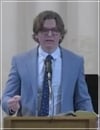
In the sermon titled "Covered, Cleansed and Cleared," Eric Van Beek addresses the theological concepts of sin, salvation, and the grace of Jesus Christ as illustrated through the healing of the leper in Luke 5:12-13. The preacher argues that the leper symbolizes humanity, fully covered in sin and unable to achieve righteousness independently. Through a detailed exposition, he explains that Jesus’ miracles function to affirm His divine authority, authenticate His message, and depict the operational pattern of the gospel: that only those who recognize their total depravity can be saved. Van Beek references Romans 3:22, emphasizing that all have sinned and require Christ's perfect righteousness for salvation. This sermon ultimately underscores the Reformed doctrine of total depravity and unconditional election, affirming Christ’s willingness and ability to save all who come to Him in faith.
Key Quotes
“The only way for a person to be declared clean under the law is to be either completely healed or completely covered in this disease.”
“We are all fully covered in this disease of sin. We are born into it. And we constantly and consistently add to it every moment of every day.”
“The only difference is that God's people have been shown that they are fully covered in sin. The rest simply cannot see that without the spirit of God opening their eyes.”
“Everyone that calls on the name of the Lord will be saved. Nothing else is needed.”
Leprosy serves as a metaphor for sin, illustrating that we are all fully covered in the disease of sin and unable to cleanse ourselves.
In the Bible, leprosy is more than just a medical condition; it symbolizes the malady of sin that affects everyone. Just as a leper was viewed as unclean, all humans are spiritually unclean due to sin. The leprous man's total coverage in disease signifies the totality of human sinfulness. In Romans 3:22, it is affirmed that there is no distinction, for all have sinned and fall short of the glory of God. Thus, we must recognize that, spiritually, there are only two states: perfectly clean or completely sinful. Understanding leprosy in this context allows us to see our need for Christ, who alone offers true cleansing and healing from our sin.
Romans 3:22
The fulfillment of scripture through Christ's miracles and His sacrificial death validate the truth of the gospel.
The gospel of Christ is confirmed by His miraculous works, which serve to demonstrate that He is sent from God and authenticates His message. In John 10:37, Christ invites skeptics to believe based on His works if they cannot believe His words. Furthermore, His crucifixion and resurrection validate the gospel as the culmination of God's salvific plan. The prophecies in the Old Testament concerning the Messiah were fulfilled in Christ's life, death, and resurrection, establishing a solid foundation for the faith of believers. The transformation in the lives of those who trust in Him and the witness of the church throughout history further testify to the truth of the gospel.
John 10:37
Recognizing our total depravity underscores our need for Christ, motivating gratitude for His grace.
Understanding our sinfulness is crucial for Christians because it highlights our total inability to save ourselves. It emphasizes that we are not partially good and partially bad; instead, we are fully covered in sin. This stark reality, portrayed through the leper's condition, illuminates the dire need for a Savior who can cleanse us. Romans 3:23 states that all have sinned and fall short of the glory of God, making it evident that without acknowledging our depravity, we cannot fully grasp the depth of Christ's sacrifice. By recognizing our sinful state, we become more aware of the grace offered to us, leading to true repentance and a thankful response to God’s mercy.
Romans 3:23
When Jesus pronounced the leper clean, it illustrated His authority to forgive sins and fully restore those who come to Him in faith.
The moment Jesus pronounced the leper clean, it illustrated more than just physical healing; it represented the spiritual cleansing that Christ offers to all who come to Him in faith. This act demonstrated His divine authority to forgive sins and remove the uncleanness that sin brings. The leper's total surrender, recognizing Christ's power and authority, is a crucial element in understanding salvation. When Jesus says, 'I am willing, be clean,' it shows His willingness to save anyone who acknowledges their desperate need for Him. This exchange not only restores the leper physically but signifies the greater reality of being made right before God, highlighting the heart of the gospel.
Luke 5:12-13
Comments
Your comment has been submitted and is awaiting moderation. Once approved, it will appear on this page.
Be the first to comment!
