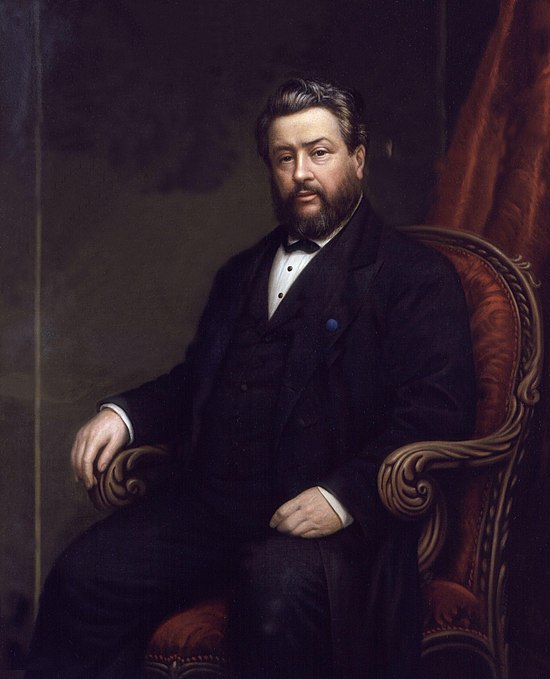
The sermon titled "The Lord and the Leper" by C. H. Spurgeon centers on the themes of faith and Christ's redemptive power as illustrated by the healing of a leper in Mark 1:40-42. Spurgeon emphasizes the leper's profound faith, which acknowledges both the ability of Jesus to heal and His sovereign will in doing so. He contends that the leper's eagerness to be cleansed reflects the spiritual condition of many who remain indifferent to their own sinfulness. By referencing Romans 8, Spurgeon highlights the assurance of salvation and the transformative power of God's grace, urging listeners who recognize their spiritual leprosy to turn to Christ in faith and expect His healing. The practical significance of this message is profound, as it invites believers to deeply reflect on their need for salvation and the immediate access they have to Christ’s cleansing grace through faith.
Key Quotes
“Oh, that we may see today some great wonder of His power and grace.”
“The leper in our text was not so foolish as this. He eagerly desired to be delivered from his dreadful malady.”
“Beloved, we need never raise a question as to the Lord's will to give grace when we have the will to receive it.”
“If thou believeth on Jesus Christ, and if thou wilt trust him as the sent one of God, fully and entirely with thy soul, he will make thee clean.”
The Bible teaches that Jesus is able to cleanse us from our sins, as seen in Mark 1:40-42.
Mark 1:40-42 recounts the story of a leper who came to Jesus seeking healing and expressed faith that Christ could cleanse him. This demonstrates the overarching biblical truth that Jesus not only has the power to heal physical ailments but also to cleanse from the spiritual disease of sin. Throughout scripture, such as Romans 8, this cleansing is presented as a fundamental aspect of salvation, emphasizing the need for a moral and spiritual renewal. Salvation involves not merely pardon from sin but a transformative work within the believer's heart.
Mark 1:40-42, Romans 8
The power of Jesus to save is evidenced through His actions and miracles, affirming His authority over sin and illness.
Jesus' ability to save is evidenced through numerous accounts of His miracles, particularly His compassion towards those in need, such as the leper in Mark 1:40-42. The leper, despite his loathsome disease, approached Jesus with the belief that He could heal him. This highlights the central Christian doctrine that Jesus is not only a healer of physical ailments but also has the divine power to cleanse and redeem sinful hearts. The resurrection of Christ further confirms His victory over sin and death, providing assurance that He can transform our lives wholly and completely.
Mark 1:40-42, Romans 8
Faith is crucial as it connects believers to God's power for healing and transformation.
In the narrative of the leper, his faith was crucial in his approach to Jesus for healing, stating, 'If thou wilt, thou canst make me clean.' This exemplifies the importance of personal faith in the process of healing, as faith acknowledges Christ's authority and ability to heal both physically and spiritually. In Christianity, faith is not merely intellectual assent but active trust in Christ's power and willingness to save. Romans 10:17 states that 'faith comes from hearing,' reinforcing that through the gospel and personal encounters with Christ, believers can experience transformation. Ultimately, faith leads to action, as demonstrated by the leper who sought Jesus, emphasizing how it acts as the vehicle through which God dispenses His grace.
Mark 1:40-42, Romans 10:17
Christians can learn the importance of approaching Jesus with faith and the expectation of His mercy.
The leper's encounter with Jesus is a powerful reminder for Christians of the need for humility and a desperate desire for cleansing from sin. His approach was characterized by faith and recognition of Jesus' sovereignty; he asked, 'If thou wilt, thou canst make me clean.' This teaches believers that acknowledging one's sinful state is essential to receiving God's grace. Furthermore, it illustrates that no one is beyond the reach of Christ's compassion, regardless of the depth of sin. This interaction demonstrates how faith and action are intertwined; the leper's willingness to come to Jesus reflects the believer's call to seek salvation actively and to be cleansed from their spiritual leprosy.
Mark 1:40-42
Comments
Your comment has been submitted and is awaiting moderation. Once approved, it will appear on this page.
Be the first to comment!
