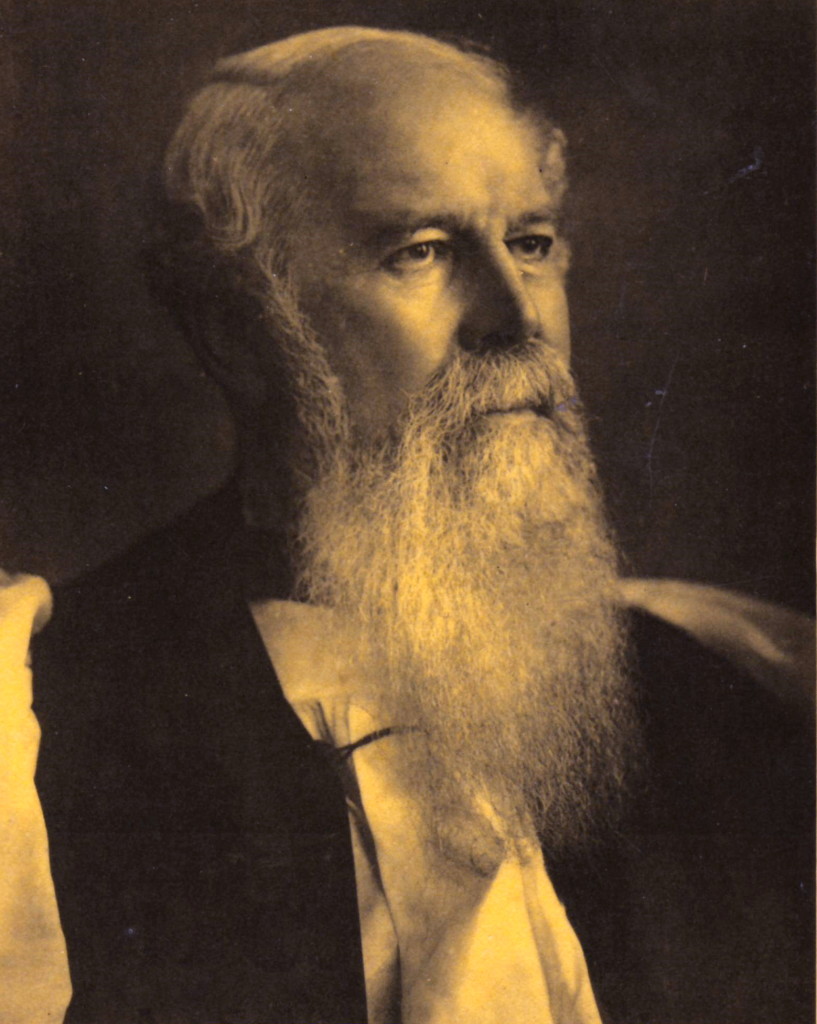
J.C. Ryle addresses the theological and practical implications of Christ's healing of a leper in Luke 5:12-16, emphasizing Christ's divine authority over spiritual and physical maladies. He articulates that the leper’s condition serves as an emblem of humanity's spiritual decay due to sin, drawing parallels with Isaiah 1:6 to illustrate the depth of human depravity and the desperate need for redemption. Ryle highlights that Jesus not only possesses the power to heal but also demonstrates a willing heart to cleanse the sinful, as evident in His immediate response, “I will, be thou clean.” Additionally, he addresses the significance of adhering to the ceremonial law, emphasizing its role as a shadow pointing to the Gospel. Ultimately, the sermon stresses the importance of private prayer and devotion, suggesting that many spiritual shortcomings in the church arise from a lack of individual communion with God.
“What are we all but spiritual lepers in the sight of God? Sin is the deadly leprosy by which we are all affected.”
“If we are lost, it is not because there is no remedy provided.”
“Let us take heed that we do not despise the ceremonial law because its work is done.”
“The cause of Christ does not need less working, but it does need more praying among the workers.”
The Bible records Jesus healing a leper in Luke 5:12-16, demonstrating His power over disease and His willingness to heal.
Luke 5:12-16
Jesus shows His willingness to save through His compassionate response to the leper's request, as seen in Luke 5:13.
Luke 5:13, 2 Peter 3:9
Private prayer is crucial for Christians as it fosters deeper communion with God, modeled by Jesus in Luke 5:16.
Luke 5:16
Jesus' respect for the Law as seen in Luke 5:14 emphasizes the continuing value of God's commandments, even as He fulfills them.
Luke 5:14
Auto-generated transcript • May contain errors

Comments
Your comment has been submitted and is awaiting moderation. Once approved, it will appear on this page.
Be the first to comment!