Bootstrap
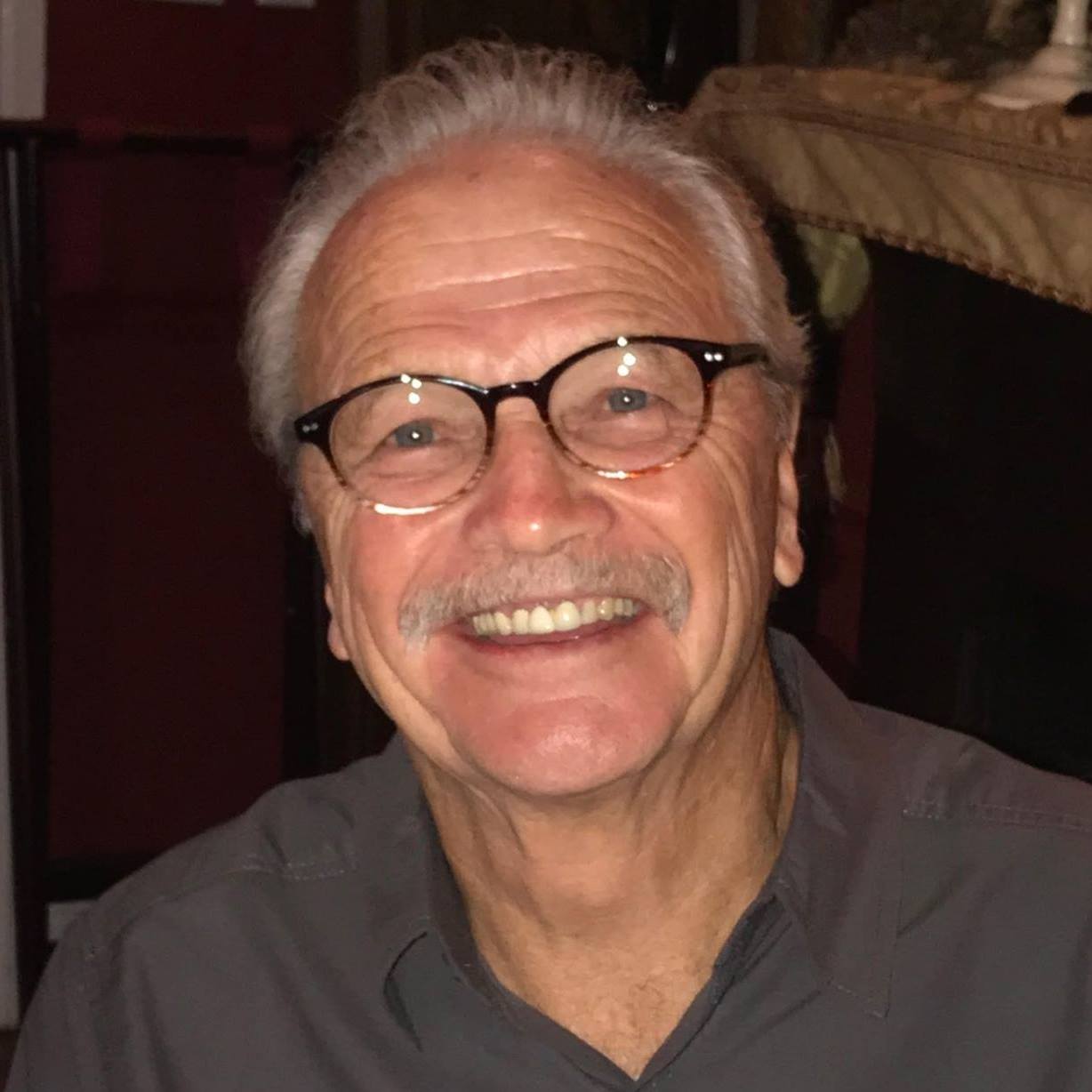
Donnie Bell

Hold fast faithful word

Titus 1:5-9
Donnie Bell July, 22 2012 Audio
0 Comments

Sermon Transcript

Auto-generated transcript • May contain errors

100%
Second study in Titus. Already had good service. Let me read verses five through
nine, and let God's blessed help and Spirit say a few things on
these words. For this cause left I thee in
great that thou shouldest set in order the things that are
wanting, for things that are left undone, and ordain elders
in every city, as I had appointed thee." See, the apostle had power. He had authority. He told it. He could have delivered people
over to Satan for the destruction of their flesh. God gave these
apostles incredible power. And if any be blameless, talking
about the elders, if any be blameless, the husband of one wife, having
faithful children, not accused of bribes or unruly, for a bishop
must be blameless as the steward of God, not self-willed, not
soon angry, not given to wine, no striker, not given to filthy
lucre, but a lover of hospitality. a lover of good men, sober, just,
holy, temperate, holding fast the faithful word, as he hath
been taught, that he may be able by sound doctrine to exhort and
to convince the gainsayers." Now, Paul had been in Crete,
and when he left, he left Titus to continue the work that he
had started down there. And that's why he says, for this
cause that died in Crete. What was the reason? He says,
well, first of all, he had the faith of God's elect, and he
acknowledged the truth. And he says, if you preach this
hope of eternal life, this gospel, to preach the gospel of eternal
life that was promised, not earned, not owed, Eternal life was promised,
promised us in Christ before the world ever began. And you
preach God's blessed faithfulness. God cannot lie. He is true. He will keep His Word. And if
He promised eternal life, eternal life shall be given to those
who have the faith of God's elect. And then He says, and you preach
that gospel. Because that's how God manifests His gospel, is
through the preaching of the Word by whom He committed it
to. and says, so this is the reason that I left you in Crete.
And he said here in verse five, for this cause left thy in Crete
that thou should set in order. Set in order the things that
are wanted. You know, churches have to have order. They have
to have order. And I tell you, the building
of a church, the building of a work, The growth of individual believers
is not a work that can be brought to maturity just like that. You
don't just decide to start a work, say, well, we're going to establish
a church here, and expect that thing to grow to maturity and
individual believers to grow to maturity just like that. It
don't happen that way. Things have to be set in order.
And it's something that has to be brought to maturity and perfection
over time. He said that there's things that
are wanting, and I want you to set things in order. Now, you
know, our Lord Jesus Christ, He told His disciples just what
He meant. He says, you know, there's many things that I could
say unto you, but you can't bear them now. But He says, when I'm
gone, the Holy Spirit will come and He'll teach you these things.
See, those folks had to grow, they had to learn, they had to
have their life set in order, they had to grow in grace and
knowledge. And that's why God gave apostles and prophets and
preachers for the work of the ministry, for the edifying of
the church, the establishing of the Lord's church. And you
know, He said over in 1 Peter 2, He says, as newborn babes
desire the sincere milk of the Word. So you set in order the
things that are wanted. And Titus was left there to do
several things. First, he was left there to teach
young converts the doctrines of the gospel. And I'll tell
you something, once you've ever learned the doctrines of the
gospel, and I'll tell you, we teach them over and over and
over. Scott Richardson said that anybody that teaches school will
tell you that the secret of learning is repetition, repetition, repetition. And I say because we're so quick
to forget, but that's what is left, to teach young converts
the doctrines of the gospel. And if you ever learn the doctrines
of the gospel, that's all you'll ever want from them. But you
have to be taught. You have to start at the beginning
places. You have to start with the simplest
things. You have to start with things
that are truth and establish them. To set in order means the
proper order of ordinances. People have to understand what
the Lord's table is. who is qualified to take the
Lord's table, what baptism is, the only two ordinances in the
church, who is qualified for baptism. Do you know that baptism
is how they got in the early church? When they were, you know,
even the Jews had baptism. But you know, when they were,
the scriptures tells us that that's how they confessed their
faith in Christ, was by baptism. That they would go and the apostles
and different men would baptize them, and that's how they were
added to the church. And that's how they confessed
their faith in Christ. And there are places now that
if you want to confess your faith by baptism in Jesus Christ, it'll
cost you a lot. Down in Mexico, where it's all
Catholic, and Walter and Cody's been down there for years. Walter's
been down there for 38 years, I believe now, 39 years. Forty-something
years. And Cody, and when every one
of those people get converted, and they take and baptize them,
their family being Catholic, count them as dead. They just
consider them as just no life to live. They've got no reason
to accept them into their home, into their family ever again.
So when I confess my faith in Christ, they're saying, I'm breaking
with my family. break it with my relationships,
break it with my whole life, break it with my whole religion,
break it with my traditions, and I'm going to confess my faith
in Christ by His baptism here. I'm going to confess that I believe
Him, I believe His death by going into that water and being buried. You know, we've got to start
with the simplest thing and rise up to walk in newness of life.
That's where you start at, in the orifice of the Lord's table.
Who's able to take the Lord's? Only believers can take the Lord's
table. I wouldn't take the Lord's table if I wasn't a believer
for 10,000 worlds like this one. I don't know if I told you this
or not, but I know that this, years and years ago, I was about
21 maybe, and I was in a mental hospital in Chillicothe, Ohio.
The hospital. Been there for months. And they
had a little chapel there. And you'd go in that chapel,
and they always, they had the bread and the wine, every service,
in there. And I was in there one time,
and they had the bread and wine up here, and the people were
lining up. People just like me, lining up to take that bread
and that wine. And me, I was in an awful condition. But I
would not do that. I knew that that was something
you did not do unless something was done for you. I was scared
to death, Gary, to take that red network. Folks think it's
just nothing to it. But those are the things, he
said, you set in order these ordinances. You set in order
church discipline, and that's the things that you use for discipline.
You set in order the officers of the church. People's got to
govern the church. People's got to have the... Somebody's
got to govern it. Somebody's got to make the decisions.
Somebody's got to see that things are done right and well and in
order, don't they? And teach them how to conduct
themselves. Teach them how the manners that they conduct themselves
according to the gospel. And then, you know, he's talking
about also to answer and deal with false teachers and troublemakers,
the gainsayers and the deniers. And then he says, they're ordained
elders in every city as I appointed thee. Now, you know, when he
goes to every city, he's got to go there. He's got to find
men that God's called and qualified and say, now, you're going to
take this work here. Look over in Acts 14 with me
just a moment. Acts 14. Paul and Barnabas, they're
going back through the cities that they've been visiting, and
they've been going through them, and they came going back and
visiting, and as they did, in verse 22 it says this, or verse
21, And when they had preached the gospel to that city, Antioch,
they returned again to Lystra, and Antioch, confirming the souls
of disciples, exhorting them to continue in the faith, and
that we, through much tribulation, enter into the kingdom of God."
And listen to this, "...and when they had ordained them elders
in every church." Now, how do you figure out who's the elder?
The person that everybody recognizes to give sin. You don't just go
in there and say, well, you look like you'd make a pretty good
preacher. You look like you've got some sins. Look like you'd
just be the kind of fellow that could keep things under control
here. No, no, they would, the elders, they would ordain elders,
people that the people had already had their affections set on,
already had been listening to, already had manifested the gifts
of God. and had prayed with fasting,
they commended them to the Lord on whom they believed. And that's
what he said. He didn't just go out and decide
who was going to be the pastor. But he looked for those that
the church themselves had seen the gifts and the elders in the
church. When I was out in California
a couple of weeks ago, there was two young men came in in
the services there. And they were street preachers.
Street preachers. And one of them had a beard about
down to here. And they were street preachers. And one of them asked
me, he said, how do you get ordained? How do you get ordained? I said,
well, what you do is you find you a local assembly someplace.
You find you a local church. And you sit down. And you shut
up. And you listen to who God sent
over that church, and you sit there and you listen and you
learn. And if you have any gifts at all, that church will recognize
it, and they'll set you apart. But he don't want to do that.
He says, whatever church I go into, they won't even let me
have nothing to do. That's his whole problem. He wants something
to do. He wants to start to talk. But
you don't start to talk. You've got to be a sheep before
you can ever be a shepherd. You've got to be nobody before
God will ever use you in any way. That's why Jeremiah said,
don't seek to say great things for yourself. And I hope he mentioned
it the other day. Was it Jerry, maybe, the other
night, mentioned this? He says that, no, Brad did this. He said that one thing he remembered,
Brother, I was listening to his message last Sunday, and he says
this, he says, Brother Henry May, I said, one thing I remember.
Either you'll pour contempt on yourself, or God will pour contempt
on you, one or the other. And that's what this business
of being an elder is about. It's not being an elder because
you... It's because the people recognize it. The people say,
this is the man. And then they ordained him and
laid hands on him and set him apart. And Paul knew, and here
he goes on, Paul knew this, that without pastors, Without elders,
without leaders, the church ain't gonna last long. It ain't gonna
last long at all. And wherever you find a body
of believers, and I'm telling you where two or three are gathered
together, that's what our Lord Jesus Christ said, I'll be in
the midst of them. But wherever there's a body of
believers, there should be a pastor over them. Whether there's five,
whether there's ten, whether there's twenty, or whether there's
a hundred. They need a pastor. Churches cannot long last without
pastors. And he said, ordain elders. Now,
an elder doesn't have a thing in the world to do with age.
And an elder, he says down in verse 7, is a bishop. An elder
and a bishop is interchangeable. It has nothing to do with age,
but it has to do with maturity. It has to do with qualifications. It has to do with those who have
taught the Word and who have been taught the Word. Taught
the Word. Now, let's go down through here
and I'm embarrassed to go through these things about a bishop,
about a preacher. But it's just the way it is. We've got the Word of God for
me and everybody, especially in this instance for me. And
here's the qualifications of pastor. The first being that
you have to be called, you have to be gifted by the Holy Ghost.
Paul and Silas, the Scripture says that They told the people,
said, send aside Paul and Barnabas for the work run to which we
have called them. And the Holy Spirit told them
to do that, and then they laid hands on them and sent them to
the work. That's how it's done. But the first thing about him
is if he's blameless, if any be blameless. Now, you and I
both know, common sense tells us, that no man in and of himself
is without blame. He's not perfect. No man's without
sin, and the only place he is really blameless at is in the
sight of God, because Christ has put his sin away. But what
he's talking about here is that man should have a good, excellent
reputation. And it takes years to get that
reputation. And he should have an excellent
reputation among men. He ought to be regarded as a
man who is honest, that you can believe him. His word is his
bond, and what he says, you can count on it. He's a person of
integrity and of upright conduct. That's what that means, this
blameless means. And folks, you know, if they
want to find blame, that don't take nothing for anybody to find
blame in. But, beloved, a man's got to, if he's got that reputation
of being honest, Being, having integrity and upright conduct,
and that his word is right and true and just. And watch his
life, watch his life, year after year after year after year. It's
not something you just step on a fella and say, you know, well,
that's why Paul says, you know, not a novice lest he be lifted
up with pride. And then look on the other ones,
he should be blameless, but the husband of one wife. Now let me tell you something.
Here, the man doesn't have to be married. Paul wasn't married. To qualify for being a bishop,
you don't have to be married. And it's not unlawful for a man,
if his first wife dies, to take a second wife. A wife after his
first wife dies. But here he's talking about having
one wife at a time. Because in these days, in these
days, polygamy, Having several wives, this was common. And it's
still common over in them Middle Eastern countries. There's some
men that, you know, that Osama bin Laden, they got killed. He
was the 45th son of his daddy. Now, one woman don't have 45
children. He had a whole bunch of wives. And the more wealth
he got, the more wives he could have. But here he says he got
to be the husband of one wife. And divorce, polygamy and divorce
was common at this time. And that's why it says the husband
of one wife. And then he goes on to say here,
having faithful children, not accused of bribe or unruly. Now, when he talks about this,
he's not talking about your children being converted, just faithful
children, your children being converted, because that's not
in the power of man to convert a child. David says, you know,
when he got to his last days and his last words that he said,
he says, Lord, not be so with my house. You know, Absalom rebelled
against him, tried to take his throne. His son Adam had killed
his other brother. They committed murder on his
own family. So he said, it may not be so,
although it's not so with my house, God has made with me an
everlasting covenant, ordered in all things, ensured. And beloved,
it's not in the power of man to see that his children are
converted, though I would love to have it so in my own family. Now look at Gary. He's got to
go to his children to hear they're converted. You've got three children
that manifest the grace of God. You've got a son-in-law. When
God saved you, He gave you a son-in-law that beloved the gospel and believed
the gospel. You're sitting there with your son. You're sitting
there with two of your daughters this morning. What a gift of
God! What a mercy of God! What a blessing from God! But
what it means is that they should be brought up in the principles
and in the doctrines of Christ as long as they remain at home.
You see that your children, Act like they got some sense when
they're living in your house. That's what this means here.
You're going to restrain them, you're going to discipline, and
you're going to cause them to be obedient to you as long as
they're in your house. They're going to be faithful,
and they're not going to go out and act foolish and act a fool
as long as they're in your house. That's what he's talking about.
Look over. Turn back over to 1 Timothy with me. Back to your
left. Two books. And look in 1 Timothy chapter
3 and verse 4 with me for just a moment. And if God has saved your children, oh, what a mercy, what a mercy,
what a mercy. A fellow told Scott Richardson
one time, God saved all my children. And Scott said, well, I'm sure
it wasn't your fault. He said, I'm sure you didn't
have anything to do with it. Now, that's about what we
have to, you know, we love them, we teach them, we instruct them,
we bring them to hear the gospel. But my children heard the same
gospel yours did. My son stood around and sat with
Henry Mahan and Reese Montgomery and Scott Richardson and Tim
James. And I don't know how many preachers
would be at my house and sit around in our backyard, and he
would stand around on the outside of that and listen to every word
and never say a word. Just stand around and listen
and drink it up. The children would give up their
bed for the preacher, so they have been exposed to it. So who
is it that makes these differences? So it means when they're at home,
to love them, but restrain them. Call them to be obedient. Look
what he said here in 1 Timothy 3, 4. He's talking about a bishop
now. One that ruleth well his own
house, having his children in subjection with all gravity. I'm going to give you an illustration
of what I'm talking about. I know a preacher, a couple of them,
and their kids in the services while they were preaching would
act like absolute thieves. crawling under the pews. One dear preacher friend of mine
that I know while he was up preaching, his son was sitting down there
and he took a crayon and wrote S-T-O-P and held it up for his
daddy. Stop! That's what this is talking about. And you know if I'm up preaching
and I have Some of my kids, my grandkids or my kids are fence
crawling back and forth on the pew and aggravating you and hindering
you from hearing the gospel. What would you think of me as
the pastor? What would you think of me as a preacher? You say,
boy, he sure ain't got no, what's he doing up there? He can't even
control his own children. But I've seen that happen. Have
you ever seen anything like that? And then, look, while he ruined
well his own children in all subjection and all gravity, for
if a man knoweth not how to rule his own house, how shall he take
care of the church of God?" So he uses a simple logic to
come to these conclusions. Now, look what else happens back
over here in Titus chapter 1 again. So he has to be blameless, having
faithful children. Not accused of right or unruly.
And then he says here, for a bishop must be blameless as the steward
of God. As a man, and then as a steward. A steward is someone who commits
to your charge his goods, his services, what belongs to him. They don't belong to you, they
belong to him. And he lets you be steward over those things.
And here he says, blameless as a steward of God. Faithful to
his office, faithful to his word, faithful to the Lord Jesus Christ,
faithful to the trust committed to him, faithful to preach the
gospel, faithful to feed the sheep, faithful to care for those
that are under his care. Now you keep this and look with
me over in 1 Corinthians 4. Let me show you something here.
This is one of those verses of Scripture that I so love. And
there's nothing, nothing more moving and more highly regarded
by me than anything that I know of other than someone being faithful. You take men, you don them for...
You take Henry Mahan, and Scott Richardson, and Reese Montgomery,
and men that we know and love, new men that we've met, Paul
Mahan, and you meet these men, and these men have been faithful
year after year after year after year, service after service after
service after service, and then not only them, but you. You've
been faithful to come and listen, to come and hear. There's nothing
more God-honored than faithfulness. And no matter what, you're being
faithful, and that's why he said, blame us as the steward of God.
And look what he said here, I Corinthians 4.1. Let a man so account of us as
the ministers of Christ and stewards of the mysteries of God. Well,
if you're a steward, then it's required in the stewards that
a man be found faithful. Faithful to what's committed
to Him. Paul said, as God hath allowed us to be put in trust
with the gospel, even so we speak, not as pleasing men, but God
which tries our heart. So blameless as the Spirit of
God, the trust that God's committed to. And look what else it said
here in verse 7, back over in Titus. Not self-willed, Not self-willed. That means not
doing things by his will. Not just demanding that he...
Not self-willed. Not self-willed in the sense
that he demands that things be done his way. My way or the highway. Not doing things by his will,
but seeking the will of God. Oh God, what's your will? What
is it that you would have us to do? What would you do? Seeking
the will of God, seeking the glory of God. The preacher, the bishop, is
not to be stubborn, not to be obstinate, not to be inflexible.
He's got to be a reasonable person. You ever seen anybody self-willed,
stubborn, obstinate? You just can't move on? You say,
I don't get over it. That's why a preacher shouldn't
be that, the bishop shouldn't be that way. And look what else
he says, not soon to anger. And what in the world does that
mean? That means you don't fly off the handle just real real
quick. Do I, Mary? What happens if you fly off the
handle enough, you know, one of these days God will leave
you off the handle. He'll have to leave you off it for a while.
But no, not soon angry. Not somebody that's just, I mean,
just, oh, quick to anger. Just nothing can set him off.
Just anything can set him off. But it means slow to wrath. A
man, instead of being quick to anger, ought to be a man of compassion,
a man of understanding, a man that understands and has compassion
on people and understanding for people. Not people make him angry. and upset him, you ought to have
some compassion on people, some understanding of people. And
I know this much, that an angry man, a man who is angry all the
time, and upset with people all the time, and people upset him
all the time, is not fit to teach others, and he certainly ain't
fit to lead the church. If you was a pastor or a preacher
in a place, and somebody was just upset all the time, somebody,
what they'd done or said or how they acted, something made you
mad all the time, and you got up and you preached in that anger.
And you're all the time trying to straighten that person out
that you was mad at. Everybody else who had to suffer, you're
trying to straighten that person angry out and have suffer with
it. That's what he means. And then
he says, not given to wine. Not given to wine. What does
that mean? That means that he's not intemperate.
That means he's not, he doesn't use wine and addicted to it,
just constantly or continually drinking, not given to drinking
wine all the time. It's not saying he can't drink
wine, he shouldn't drink wine. He says he's not given to it. He's a temperate person. He's
just not given to drinking wine. Then no striker. No striker. You know, there's lots of ways
to strike somebody. Lots of ways to strike somebody.
One of the awfulest ways to strike somebody is with this right here.
You can really, really strike somebody with this tongue. Oh, my. And especially not to
strike somebody with his hands. The preacher should never be
a bully, should never be a harsh person. He ought to be congenial
and he ought to be considerate, not be harsh with his tongue,
harsh with his hands, not a bully, not somebody that's all the time
making and trying to intimidate people. I remember a couple of
preachers that was really, really, really popular preachers in fundamentalism. I mean, boy, they would just,
and they'd get up and they'd preach and say, boy, they look
like this here. You better be careful about getting mad at
me. I'm 6'4 and I weigh 220 pounds. Start taking the jacket off. You better watch it or I'll throw
this phone book at you and drop something. That's just... Do you want to be around people?
It's just awful to think about people with that kind of attitude
and spirit. Just awful to think about. And then he says, you're
not given to filthy lucre. That's what they call, that's
what God called money. Filthy lucre. That's what Peter
says, you know. He says, you know, feed the church
of God. Take the oversight thereof. Not for filthy lucre's sake.
Not by constraint, but willingly. And this not given to filthy
lucre means not greedy of money. Not greedy of possessions. Not
covetous. And I'll tell you something,
covetousness and greediness is awful in any believer. Any believer. But especially in a preacher
of the gospel. That's why Paul says, when I
come, I coveted no man's silver. I coveted no man's a pound. He
didn't say, boy, that sure is a beautiful suit. Thinking that
preacher might go buy him one. He didn't come at anybody's silver.
He says, boy, if I start talking about how much I'm going to somebody's
house, boy, you've got a lot, looks like you've got a lot of
money in that. They said, well, I might as well give this preacher
a little money. And Gary Williams, he's a witness to this and some
other people that years ago, and we haven't been around it
that much lately, but a lot of missionaries, when they would
come around, do you know who they'd go to? The money people. They'd
go to the doctors and the lawyers. And the people that had lots
of money, and hug up to him. I know there's a millionaire,
he's real, real sick now, multi-millionaire. And people get just as close
to him as they could. It wasn't nothing for him to
give 15, 17, 18, $20,000 to somebody. I know for a fact that he gave
twenty-three or twenty-five thousand dollars to a preacher, and the
preacher was supposed to pay it back, but he said, well, he's
got plenty of money, so what do I need to pay? And then he did pay him
back. And the preacher's still preaching.
I'm not going to listen to him, because I know that. So this is what we're talking
about here. We're talking about honesty and integrity, gentleness
and carefulness. love, something to do with trust,
something to do with men acting like men. And then not only that,
but look here, a lover of hospitality. Oh, pastors and elders, they
minister. Here's the thing, we minister
to people. We minister to people. Individuals. And this pastor
to elder must love and be concerned for individuals. You know, they
have to be concerned for individual people, and their problems, and
their troubles, and their worries, and their sicknesses, and their
families. That's why it's the love of hospitality. Their heart
ought to be open to them at all times. Their hands ought to be
generous and giving, and their homes should always be open to
all men, but especially to those of faith. And look what else
he says here. not only a lover of hospitality
per se, but a lover of good men. I love that. Lover of good men. You love good men. Good men. And they've proven
over the years They're good in their conversation, good in their
conduct, good in their love, good in their faithfulness, good
in what they do in the church, good in their heart, good men. A lover of good things, good people. And oh my, there's nothing like
the Lord's people. They're the best. And this shows
the sincerity of His character when He loves good men. And then
he says, sober. What does that mean? Self-controlled. Moderate. Just. That he's righteous in his dealings
with others. That's what it means. He's righteous
in his dealings. And then he says, holy. That means he's devout
toward God. Devout in the Word and in his
private life. And then he says, tempered. Temperance
means be tempered in your eating, be tempered in your drinking,
be tempered in all things pertaining to the flesh. You just don't
overindulge. And here's the thing right here. Listen to this. Holding fast
the faithful word. This holding fast means cling
to the word that's faithful or the faithful word. Cling to it.
Hold fast to it. And of all the gifts that the
pastor ought to have and the bishop and the elder ought to
have, this is the chief gift and requirement. He's chosen
for the sake of teaching. That's his main and primary gift
that God gives him. And the gift and the primary
reason the church calls him is for his teaching, for what he
teaches. And listen to me, and you know
as well as I do, the church, God's people, cannot be governed
or taught in any other way than the Word of God. That's how God
governs His people. That's how God teaches His people.
That's how God shapes, instructs His people, chastises His people.
It's through the Word. And He said, holding fast the
faithful word. And that's what it's called here.
It's called the faithful word. Word is faithful. Have you ever
found it to change when you read it? Read the same thing every
time. It don't change. It's the faithful
Word. And he says this is the Word
that he has been taught. I had to be taught the Word.
I had to be taught the Word. And it's called the faithful
Word. It is the Word that's been taught. And it's called a faithful
word because it's the word of God. And it's true. It is true. Every word of God
is true. It's to be believed. This blessed
book contains nothing but truth. Truth. And here's what's wonderful
about it, that if I'm faithful to it, and you learn it, It will
not deceive us in any way. It will not deceive us in its
doctrine. It won't deceive us in its promises.
If we rightly divide and understand the truth, and we see this truth,
it won't deceive us. God's Word won't deceive us.
In fact, what it does is it undeceives us, saves us from our deceit,
saves us from our hypocrisy. And it'll never deceive us in
its promises. And then look what he says, "...the
Word as hath been taught." What word is he talking about that's
been taught? The same word that was taught by the prophets. Talking about the same word that
was taught by the Lord Jesus Christ. Talking about the word
that was taught by the apostles. And we're to teach nothing else
for doctrine other than the faithful word. This pulpit and the pulpit
has no place for opinion or speculation or human logic, nothing but the
faithful word. And then look what he says here
in the last part of this verse, and I'll be done. Holding fast
the faithful word as he hath been taught, that he may be able
by sound doctrine sound doctrine, both to exhort and convince the
gainsayers, to exhort believers and convince the gainsayers.
Sound doctrine, true spiritual teaching. As we go through sound
doctrine, things that are true, just, and right, faithful doctrine,
True scriptural teaching will not only edify and exhort the
believer, the saints of God, but it will at the same time,
what you say, and convince the gamesayer. That gamesayer means
a denier of the truth, one who rejects the truth. This sound
doctrine will at the same time not only exhort and edify believers,
but it will convict and subdue and answer those in error who
deny the truth. Look with me in 2 Corinthians
2. Here's a perfect illustration of it. Take a Timothy 2, verse 15. You know, God will at the same
time, 2 Corinthians 2, God will at the same time subdue and convict
and answer those in error, and then that denies the truth. Look
what He said here in verse 15. For we are unto God a sweet saver
of Christ. Now you see, beloved, under God,
we are called of God, sent of God, used of God. For unto God,
before God, we are a sweet saver in Christ in two ways, in them
that are saved and in them that perish. If we're preaching Christ,
we're preaching as a sweet saver to God, whether man believes
it or don't believe it. Now watch this. To the one we
are the saver of death unto death. When they hear Christ preached,
it's not a sweet savor to them. It has no meaning to them. It
has no life to it. And to the other, the savor of life unto
life. If we're preaching Christ and
it's a sweet savor unto God, either somebody's being converted
or somebody's being martyred. But it's still a sweet savor
unto God. Is it a savor of life unto you or a savor of death?
And that's why they said, able to convince. And beloved, God
calls elders, and He calls pastors, and He makes them overseers of
a local congregation. And how in the world are they
to lead? They're to lead by truth, by the gospel, by the Word of
God, and hopefully by the grace of God, by example. But let me
say something to every single one of you. Every single soul
here ought to be apt to teach. That ought to be the characteristic
of every believer apt to teach. Every believer ought to be able
to teach. Not just pastors, but everybody here ought to be honest,
godly, and witnesses of the truth. Everybody ought to have a responsibility
to glorify God. All of us do. Not only in word,
but in deed, that we may adorn the doctrine of God our Savior.
All of us, all of us have a ministry to fulfill. You all might remember
years ago, a fellow came here and he had ten kids. He was here several years ago,
and I mean he had kids of everyone. And he wanted to be in the ministry,
too. And he thought, you know, he'd come out here and he was
going to help me. And after I listened to him, but
while I told him, I said, you know, I'm going to tell you where
your ministry is. You want a ministry. You really
want a ministry. You said you've got ten kids
at home and a wife. What greater ministry could you
have than to train those children? And to set them children down
and set them down at your kitchen table and start training them.
And I went off in a meeting when I was gone. They moved out of
the house and sold it. I told him he had the greatest
mystery head as his own home. And wouldn't you agree with that? Well, I sure love you. Appreciate you
putting up with me. I really do. Oh, gracious, gracious Father.
Donnie Bell
About Donnie Bell
Donnie Bell is the current pastor of Lantana Grace Church in Crossville, TN.
Broadcaster:

Comments

0 / 2000 characters
Comments are moderated before appearing.

Be the first to comment!

Joshua

Joshua

Shall we play a game? Ask me about articles, sermons, or theology from our library. I can also help you navigate the site.