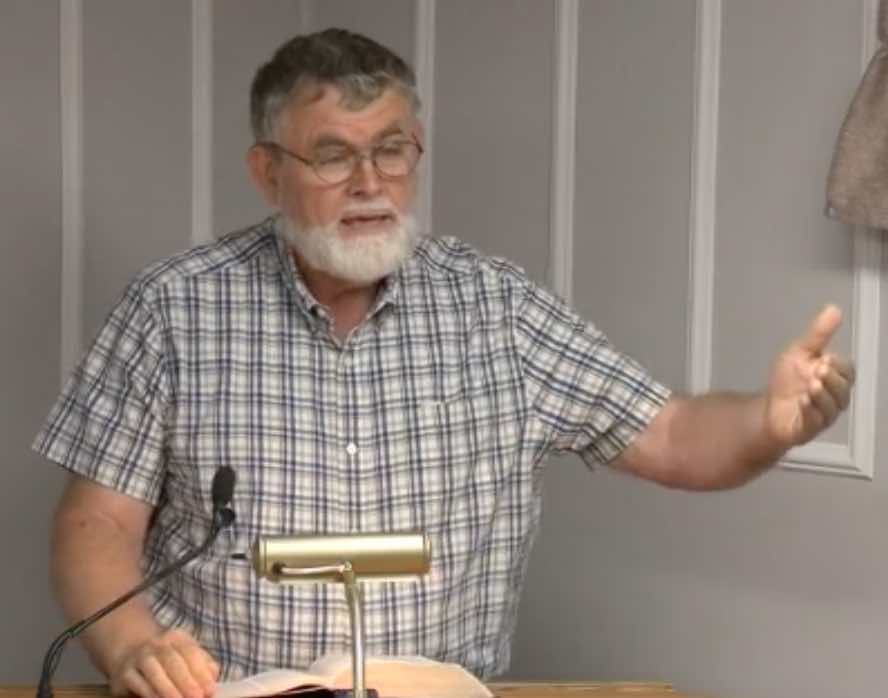
The sermon "We Are Forgiven" by Mike McInnis addresses the central Reformed doctrine of forgiveness as it relates to salvation and interpersonal relationships. McInnis argues that true forgiveness is foundational to the Christian faith and distinguishes it from mere mercy, emphasizing that forgiveness is rooted in Jesus Christ's atoning sacrifice, supported by various Scripture references such as Psalm 130:3-4 and Colossians 1:14. He elaborates on the necessity of full forgiveness without retaining grudges, illustrating that believers are called to reflect God's forgiveness in their relationships with others, which is reinforced by the example of Christ's unconditional love and forgiveness. The sermon highlights the practical significance of forgiveness not only for spiritual well-being but also as an essential expression of grace in the life of a believer.
Key Quotes
“Forgiveness and mercy are not the same thing; the wicked who perish have at times been the recipients of His mercy, but not His forgiveness.”
“When God forgives sin, He does not do it by decree, but by the cancellation of the sin debt.”
“Repentance is the result of forgiveness and not its cause.”
“A forgiving spirit and a loving heart is not an exhibition of weakness, but rather of strength.”
The Bible teaches that forgiveness is central to our faith, as it represents God's mercy and grace toward sinners through Christ.
The doctrine of forgiveness is a cornerstone of Christian hope, as highlighted in Scripture. The psalmist inquires, 'If thou, Lord, shouldst mark iniquities, O Lord, who shall stand?' (Psalm 130:3), illustrating that without God's forgiveness, humanity is condemned due to sin, which demands payment. True forgiveness is rooted in God's mercy and does not merely overlook sin but rather cancels the debt incurred by it. This cancellation is made possible through the sacrificial death of Jesus Christ, the Lamb of God, whose blood redeems us and offers complete forgiveness. Thus, forgiveness is not just an act; it is a profound expression of God's grace towards sinners who do not deserve it.
Psalm 130:3, Ephesians 1:7
Forgiveness is true because it is based on the sacrificial work of Christ, who paid the debt for our sins, providing redemption through His blood.
Forgiveness in Christianity is inherently linked to the atoning sacrifice of Jesus Christ. When we say that we are forgiven, it is based on the assurance that our sins have been fully paid for by Jesus' blood. As Ephesians 1:7 states, 'In Him we have redemption through His blood, the forgiveness of our trespasses, according to the riches of His grace.' This understanding that forgiveness is a legal and spiritual reality underpins our belief in its truth. It is not dependent on our feelings nor our worthiness, but solely on God's redemptive plan that was fulfilled in Christ. The validity of our forgiveness reinforces the assurance of eternal life and our standing before God.
Ephesians 1:7, Colossians 2:13-14
Forgiveness is vital for Christians because it reflects God's mercy and compels us to extend that same grace to others.
Forgiveness is crucial for Christians as it embodies the essence of the Gospel. As recipients of God's mercy, we are called not only to accept His forgiveness but also to mirror that grace in our interactions with others. The instruction to forgive extends beyond mere obligation; it is rooted in the recognition of our own state as forgiven individuals. The example of God's grace in our lives should foster a spirit of forgiveness toward those who offend us. Jesus teaches this truth, stating that we should forgive not just a limited number of times, but continually—illustrating that forgiveness is both a responsibility and a privilege in our Christian walk. Holding onto grudges and refusal to forgive not only damages relationships but also obstructs our understanding of God's own forgiveness towards us. Therefore, a forgiving heart enriches our faith and draws us closer to the character of Christ.
Matthew 18:21-22, Colossians 3:13
Comments
Your comment has been submitted and is awaiting moderation. Once approved, it will appear on this page.
Be the first to comment!
