Bootstrap
Mike McInnis

Fleshly Contentment #852

Mike McInnis September, 7 2021 Audio
0 Comments

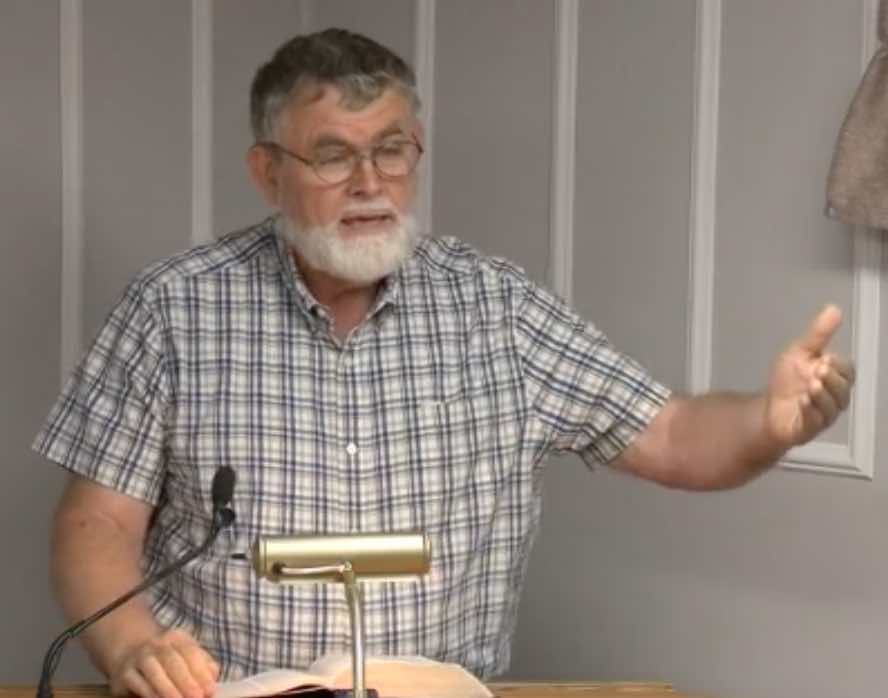
The sermon titled "Fleshly Contentment" by Mike McInnis addresses the dangerous tendency of humanity to create and serve false representations of God that align with their own desires. McInnis argues that many people, including those claiming to be Christians, construct their understanding of God based on fleshly desires rather than biblical truth, leading to various forms of idolatry. He references Jeremiah 10:14-15 to illustrate the futility of these man-made gods and critiques modern Christian practices that prioritize emotional experiences and personal satisfaction over doctrinal integrity. The sermon emphasizes the significance of unconditional election and the complete efficacy of Christ’s atonement, encouraging listeners to seek true rest in Christ rather than in the false security of their self-made beliefs, underscoring the Reformed doctrine of total depravity and the sovereignty of God in salvation.

Key Quotes

“The flesh can become quite demonstrative and very passionate to defend its gods, regardless of which form he may take in their mind.”

“How can those who claim to trust in the finished work of Christ not believe in the absolute and definite atonement of Christ?”

“He is the savior of sinners and shows mercy to all who tremble at the mention of his name, calling upon him.”

“What shall we say then? Is there unrighteousness with God? God forbid!”

Sermon Transcript

Auto-generated transcript • May contain errors

100%
Welcome, friends, to another
broadcast of Morsels for Zion's Poor. The natural religious bent
of man causes him to seek out all manner of religious experiences
and doctrines in hopes of finding something that can answer many
of his questions. The flesh often becomes quite
content in doctrines and practices which fit in nicely with its
desires to be calmed, entertained, or satisfied with some sort of
activity which gives it a sense of doing something for the God
of its imaginations. There is a way which seemeth
right unto a man, but the end thereof are the ways of death.
False religion is but the answer of the flesh to satisfy men.
Men are convinced that God is just like they envision Him to
be. The flesh is not much concerned with who the true and living
God is, but is very content to serve the God which is most like
it pictures Him to be. The flesh can become quite demonstrative
and very passionate to defend its gods, regardless of which
form he may take in their mind. Jeremiah said, Every man is brutish
in his knowledge. Every founder is confounded by
the graven image. For his molten image is falsehood,
and there is no breath in them. They are vanity and the work
of errors. In the time of their visitation
they shall perish. This is thy lot, the portion
of thy measures for me, saith the Lord, because thou hast forgotten
me and trusted in falsehood. The Muslims revere one whom they
call Allah and are quite ready to lop off the heads of any who
do not agree with them on the agenda of his supposed great
prophet Muhammad. The Buddhists find God within
themselves. The Hindus worship many gods
and starve to death rather than eat one of them. And the list
goes on and on. Sadly, many of those who call
themselves Christians serve a God who is not much different than
these here aforementioned. The average modern believer is
convinced that God is limited in one way or another, that they
can experience Him, and many feel that sincerity and worship
of some God is more important than who one actually believes
God to be. The more conservative among them
are ready to act in the flesh to destroy those who would dare
to disagree with them, even to the point of going against the
plain teachings of the one who they profess to follow. This
so-called Christian conservatism is not much different than the
mindset of the terrorists among the Muslims, and in some cases
produces similar results, as we remember the abortion clinic
bombings. How is it possible that those who call themselves
Christians can harbor hatred in their hearts toward others
and believe it to be a good thing when the one who they claim to
worship said, But I say unto you, Love your enemies, bless
them that curse you, do good to them that hate you, and pray
for them which despitefully use you? and persecute you? How can
they propose warfare as justifiable to gain political ends, regardless
of the objective, in light of the same? How can they say God
is all-powerful, and yet believe that the free will of man is
some barrier which he cannot cross, or that some things occur
which are outside of his will and purpose? The Scripture plainly
says, But our God is in the heavens, he hath done whatsoever he hath
pleased. How can they accuse God of injustice and get angry
when the doctrine of unconditional election is set forth? The Scripture
plainly says, What shall we say then? Is there unrighteousness
with God? God forbid! For he saith to Moses,
I will have mercy on whom I will have mercy, and I will have compassion
on whom I will have compassion. Is it not necessary for those
who believe God is God to say that He can do exactly as He
pleases with that which is His, whether they think it's fair
or not? How can those who claim to trust in the finished work
of Christ not believe in the absolute and definite atonement
of Christ? How can they believe that He
has failed in doing what He attempted to do, when the Scripture plainly
says, by His own blood He entered in once into the holy place,
having obtained eternal redemption for us? How can they believe
that the final determination of man's fate rests in His own
hands, when the Scripture says, All that the Father giveth Me
shall come to Me? The Apostle John was given a
word of promise to all who know themselves to be sinners in dire
need of a Savior, who have no power in and of themselves to
either know God or walk in His way, those who cannot find help
in the flesh or any of its religious exercises or remedies, He said,
the line of the tribe of Judah, the root of David, hath prevailed.
What a glorious message of comfort and hope for those beset by sin
and its sorrow. Those whom the Lord has awakened
are encouraged to know that there is one who is mighty to save,
whose hand is in no way shortened to save his own. He is the savior
of sinners and shows mercy to all who tremble at the mention
of his name, calling upon him. Do you find rest in Christ? For
a free CD containing 15 of these radio broadcasts, send an email
to forthepoor at windstream.net.
Mike McInnis
About Mike McInnis
Mike McInnis is an elder at Grace Chapel in O'Brien Florida. He is also editor of the Grace Gazette.
Broadcaster:

Comments

0 / 2000 characters
Comments are moderated before appearing.

Be the first to comment!

Joshua

Joshua

Shall we play a game? Ask me about articles, sermons, or theology from our library. I can also help you navigate the site.