Bootstrap
Mike McInnis

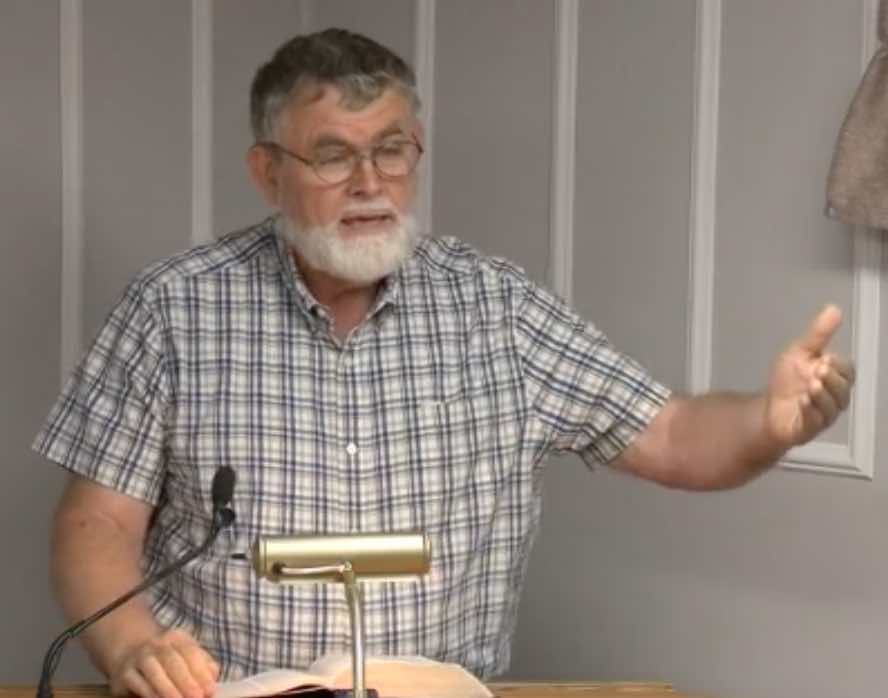
The Blessings of God #598

Mike McInnis August, 26 2020 Audio
0 Comments
What does the Bible say about the blessings of God?

The Bible teaches that God's blessings are eternal and secured for His children in Christ, not contingent upon their works.

The blessings of God are depicted throughout Scripture as lasting and rooted in His sovereign will. According to Ephesians 1:3, we are blessed with all spiritual blessings in heavenly places in Christ. These blessings are not merited by human effort but are bestowed freely and are a reflection of God's love and purpose for His elect. Romans 8:30 underscores the certainty of our inheritance as it states that those whom He predestined, He also called and justified, ensuring that His blessings will not fail to reach those He has chosen. Thus, the foundational truth is that His blessings are secured through Jesus Christ's redemptive work and are intended for those predestined to be conformed to His image.

Ephesians 1:3, Romans 8:30

How do we know predestination is true?

Predestination is affirmed through Scripture, emphasizing that God’s purpose and calling are not based on human action but His will.

Predestination is a core tenet of Reformed theology, supported by various scriptural passages. Ephesians 1:5 indicates that God predestined believers to adoption as His children according to the good pleasure of His will. This doctrine emphasizes the sovereignty of God in salvation, asserting that it is He who works all things according to His counsel. Romans 9:11 illustrates that God's choice does not depend on human works but solely on His mercy. Through these passages, we see the consistent teaching that salvation is entirely of God's grace and not a result of human merit, reinforcing the truth that God has predestined His people to receive His blessings.

Ephesians 1:5, Romans 9:11

Why are good works important for Christians?

Good works are the fruit of God's blessings and evidence of the transformative work of the Holy Spirit in believers.

In Reformed theology, good works hold significance not as a means to earn God's favor but as a natural outcome of God's grace in the lives of believers. As stated in Philippians 2:13, it is God who works in you both to will and to do of His good pleasure. This implies that true obedience and good works stem from God's active presence in the believer's life. Therefore, while good works do not produce blessings, they bear witness to the reality of God's transformative work in the believer, demonstrating the authenticity of their faith and the indwelling of the Holy Spirit. In essence, they serve as confirmation of the blessings received and the faith that motivates one to live according to God's commands.

Philippians 2:13, James 2:26

Sermon Transcript

Auto-generated transcript • May contain errors

100%
Welcome, friends, to another
broadcast of Morsels for Zion's Poor. Those who teach the so-called
theory of evolution as if it was proven fact have yet to produce
evidence that overturns the principle that kind produces like kind.
It is not possible that an amoeba can produce a fish any more than
a monkey can beget a human. Though I will have to confess
that some men act more like monkeys than they do humans, especially
those in elected office. Promises of unexpected wealth
and abiding health are regularly set forth by the religious hucksters
of radio and TV as the normal return one can anticipate receiving
as a reward for faithfulness. This is a contradiction of the
very principle which they claim to set forth. Spiritual faithfulness
begets its own kind, which is spiritual faithfulness. If a
man sows to the flesh, he will reap of the flesh. The works
of the flesh have nothing in common with the works of the
Spirit in the sons of God. The things of the earth shall
perish, but the blessing of God is eternal. This is that which
the true sons of God hunger and thirst for. The blessing of God
for His children is not conditional upon their supposed ability to
be faithful or to produce good works, but it is based upon those
benefits which are forever secured for them by the Lord Jesus Christ. For all the promises of God in
Him are yea, and in Him, amen, unto the glory of God by us.
We shall reap the blessings of God because the sons of God are
His offspring. Of his own will begat he us with
the word of truth that we should be a kind of firstfruits of his
creatures. We didn't make ourselves the sons of God, so it's impossible
that we should cease to be the sons of God by some action of
our own. Neither did we earn his favor
by any good which was foreseen in us or later produced by us.
We reap what he has sowed. But as many as received Him,
to them gave He power to become the sons of God, even to them
that believe on His name, which were born, not of blood, nor
of the will of the flesh, nor of the will of man, but of God. We shall reap the blessings of
God, because any good works found in the sons of God are the product
of His Spirit. Lord, Thou wilt ordain peace
for us, for Thou also hast wrought all our works in us. For it is
God which worketh in you both to will and to do of His good
pleasure. Those who delight to make a fair
show in the flesh usually grow exasperated by this line of thought
because they assume that they possess some ability to make
themselves more pleasing in the eyes of God by either a greater
obedience to his commands or a more devoted spiritual life
characterized by human endeavor in the pursuit of holiness. It
is apparent to me that anyone who entertains such notions cannot
be well acquainted with their own sinful nature, which shall
plague them until such time as this mortal puts on immortality.
Paul said, for I know that in me that is in my flesh dwelleth
no good thing. For to will is present with me,
but how to perform that which is good I find not. We shall
reap the blessings of God because the sons of God are predestined
to be conformed to the image of his son, in whom also we have
obtained an inheritance, being predestinated according to the
purpose of him who worketh all things after the counsel of his
own will. We are presently reaping his
blessings because he has appointed us to receive them. Nothing can
hinder the sons of God from partaking of all those blessings which
the Lord intends them to have. There are no ifs attached to
predestination. Faithful is he that calleth you,
who will also do it. We shall reap the blessings of
God because spiritual blessings beget spiritual blessings. Some
think a man's faithfulness produces God's blessings. This is backward
thinking. The reality is that the blessing
of God produces faithfulness. The blessing of God upon His
children is seen in His present working in them. They don't obey
Him in order to secure His blessing. Rather, their obedience to His
precepts is the result of His blessing of them. Some think
that they would cause him to be near if they will pray. Actually,
the fact that he is near is what causes them to pray and seek
him earnestly. He reveals himself to those he
is pleased to bless. We shall reap the blessings of
God because Jesus Christ has secured for his sons all spiritual
blessings. Blessed be the God and Father
of our Lord Jesus Christ, who hath blessed us with all spiritual
blessings in heavenly places in Christ. What he hath sowed,
he shall surely reap. Yet it pleased the Lord to bruise
him. He hath put him to grief, when thou shalt make his soul
an offering for sin. He shall see his seed, he shall
prolong his days, and the pleasure of the Lord shall prosper in
his hand. He shall see of the travail of his soul and shall
be satisfied. By his knowledge shall my righteous
servant justify many, for he shall bear their iniquities.
Do you walk in the blessings of God? For a free CD containing
15 of these radio broadcasts, send an email to forthepoor at
windstream.net.
Mike McInnis
About Mike McInnis
Mike McInnis is an elder at Grace Chapel in O'Brien Florida. He is also editor of the Grace Gazette.
Broadcaster:

Comments

0 / 2000 characters
Comments are moderated before appearing.

Be the first to comment!

Joshua

Joshua

Shall we play a game? Ask me about articles, sermons, or theology from our library. I can also help you navigate the site.