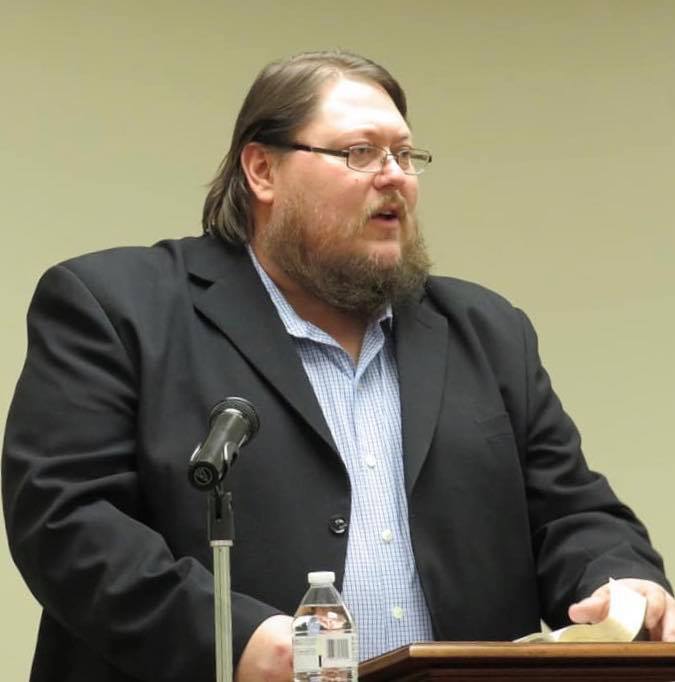
In the sermon "The God of This World," Mikal Smith addresses the concept of divine sovereignty in relation to spiritual blindness and understanding, particularly emphasizing 2 Corinthians 4:4. He argues that God, rather than Satan, is the true agent who blinds the minds of the non-elect, asserting that the inability to comprehend spiritual truth is inherent in humanity due to original sin. Smith discusses various Scripture passages — including Ephesians 1:15-20, Acts 26:18, and Isaiah 6:9-10 — to demonstrate that true spiritual understanding and insight are granted solely by divine revelation, not through human effort or education. The sermon's practical significance lies in its reaffirmation of key Reformed doctrines such as total depravity, unconditional election, and the necessity of grace for conversion, ultimately calling believers to acknowledge God's authority and sovereignty in salvation.
Key Quotes
“Spiritual life has to be given to know and understand biblical truth.”
“We cannot gain spiritual sight on our own; it has to be given by God.”
“The battleground is the inability of man. ... By nature, we do not have wisdom, revelation, and knowledge of God.”
“It is God who gives sight and it is God who hides sight; it’s His choice.”
The Bible teaches that God blinds the eyes of those who do not believe, preventing them from understanding the truth.
In Isaiah 6:9-10, God instructs the prophet to preach to a people whose hearts have grown dull and whose eyes are shut. This signifies God's active role in blinding the minds of those who reject Him. Similarly, in John 12:40, it states that God has blinded the eyes and hardened the hearts of some so they cannot see and understand the truth of Jesus. This reveals a sovereign act of God wherein He determines who receives spiritual insight and who remains in spiritual darkness.
Isaiah 6:9-10, John 12:40
The Bible clearly states that spiritual understanding is a gift from God, granted through His Spirit.
Ephesians 1:17-18 illustrates that God must grant believers the spirit of wisdom and revelation in the knowledge of Him. Paul emphasizes that our understanding is not achieved through our efforts but rather given by God, highlighting our total inability to comprehend spiritual truths without divine intervention. The act of understanding spiritual truths is a direct result of God enlightening our hearts and minds, showing that it is solely by His grace that we can know Him.
Ephesians 1:17-18
Total inability underscores that humans cannot come to God without His divine intervention, emphasizing the necessity of God's grace.
In sovereign grace theology, the doctrine of total inability explains that all people, by nature, are spiritually dead and unable to seek after God without His enabling grace (Romans 3:10-12). This doctrine is crucial because it points to the necessity of God’s sovereign election and irresistible grace. Without recognizing our total inability, we may lean on our efforts or misinterpret the nature of salvation. It reinforces the view that salvation is entirely of the Lord, as only He can transform hearts and grant faith in Christ.
Romans 3:10-12
The term 'God of this world' in 2 Corinthians 4:4 likely refers to God’s sovereign control and not just to Satan's influence.
In 2 Corinthians 4:4, the phrase 'the god of this world' often leads to misinterpretations attributing power to Satan. However, in the context of scripture, it is significant to note that all authority, including the ability to blind or reveal truth, rests with God. This understanding aligns with the biblical perspective that God is sovereign over all creation, including Satan’s actions. Thus, the verse ultimately emphasizes God's control and purpose, not an independent power held by Satan, supporting the idea that God is actively involved in salvation and revelation.
2 Corinthians 4:4
Comments
Your comment has been submitted and is awaiting moderation. Once approved, it will appear on this page.
Be the first to comment!
