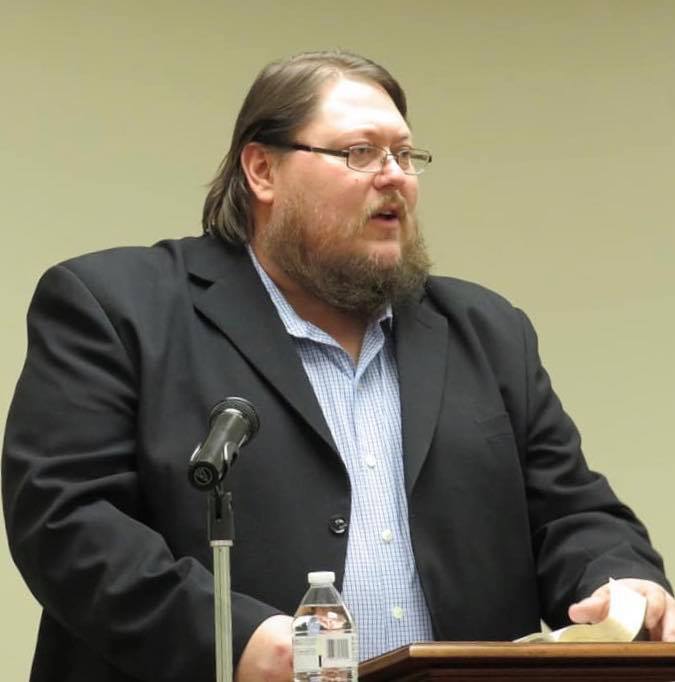
In the sermon titled "Does James Contradict Paul?" Mikal Smith addresses the theological tension between the epistles of James and Paul regarding justification and the role of works in the life of faith. He argues that while Paul emphasizes justification by faith alone, James presents works as a necessary expression of genuine faith. This relationship is illuminated through a careful analysis of Scripture, particularly referencing James 2:14-26 and Romans 3:20, 5:1-2, which demonstrate how faith without works is dead and how justification is fundamentally rooted in Christ's faithfulness rather than human effort. Smith highlights the dual perspectives of justification: legal before God as taught by Paul, and evidential before men as elucidated by James, underlining the importance of recognizing both dimensions without seeing them as contradictory. Ultimately, he emphasizes that true faith, as a gift of God, will naturally produce works as an outworking of grace, thereby reinforcing the doctrine of sola fide.
“The problem is our understanding. Our problem is the vantage point in which we look at this.”
“James is saying something from a different vantage point, which is actually saying what Paul is saying in a different way.”
“If you are trying to seek justification by your works, it's going to be not grace that you receive, it's going to be wages.”
“Faith is the evidence of things not seen, not works. But when faith is there... it produces the fruits of the Spirit.”
The Bible teaches that faith without works is dead, meaning true faith is evidenced by good works.
James 2:14-26
Justification by faith is confirmed through scriptural teachings from both Paul and James which complement rather than contradict each other.
Romans 3:28, James 2:18, Philippians 2:13
Understanding the relationship between faith and works helps Christians live out their faith authentically and avoids legalism.
James 2:15-16, Ephesians 2:8-10
Auto-generated transcript • May contain errors

Comments
Your comment has been submitted and is awaiting moderation. Once approved, it will appear on this page.
Be the first to comment!