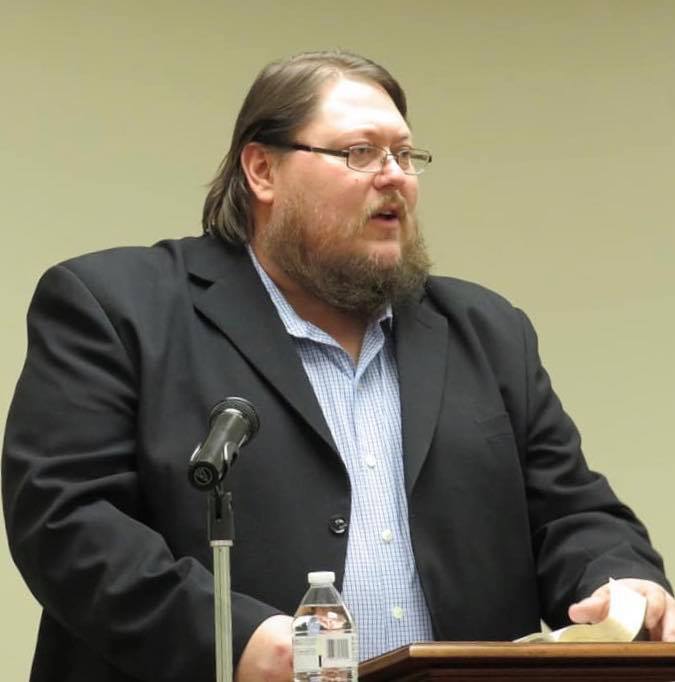
In the sermon titled "Sovereignty Hated," Mikal Smith addresses the doctrine of God's sovereignty, particularly in relation to salvation as depicted in Luke 4:14-32. He elaborates on how Jesus’ proclamation of His messianic mission was initially met with acclaim but quickly turned to rejection when He emphasized God's selective grace. Smith draws on examples from Scripture, such as the widows in Sidon and the healing of Naaman, to illustrate God’s sovereign choice to bestow grace on who He wills, including Gentiles, contrasting with the Jewish expectation of a national deliverance. This rejection of Jesus' teaching on sovereign grace serves as a reflection of human enmity toward the divine choice, illustrating that true salvation is not universally applied but is given according to God's will alone, resonating deeply with Reformed theology's emphasis on unconditional election and particular redemption. The practical significance of this message lies in its encouragement to believers to stand firm in their faith despite opposition, recognizing the ultimate authority and purpose of God in salvation.
“The gospel, brethren, the kingdom of God is not a physical kingdom. It is a spiritual kingdom.”
“This very thing is not for everyone. That is what it boiled down to. This application of this passage in Isaiah is by the sovereign, free grace of God alone.”
“The natural man will always be at enmity with God and God's truth.”
“It’s not the people of God. Paul clearly says that. It's not the people of God.”
The Bible teaches that God sovereignly chooses whom to save, demonstrating His control over all things.
Romans 9:6-16; Luke 4:14-32
Election is affirmed in Scripture, indicating that God chooses specific individuals for salvation.
Matthew 11:25-27; Romans 9:11-13
Sovereign grace underscores that salvation is entirely God's work, giving assurance of salvation to believers.
Ephesians 1:4-5
Predestination is God's predetermined plan to save certain individuals before the foundation of the world.
Ephesians 1:5; 2 Timothy 1:9
Many reject sovereign grace because it opposes the belief in free will and universal atonement.
Luke 4:14-32; John 15:18-19
Auto-generated transcript • May contain errors

Comments
Your comment has been submitted and is awaiting moderation. Once approved, it will appear on this page.
Be the first to comment!