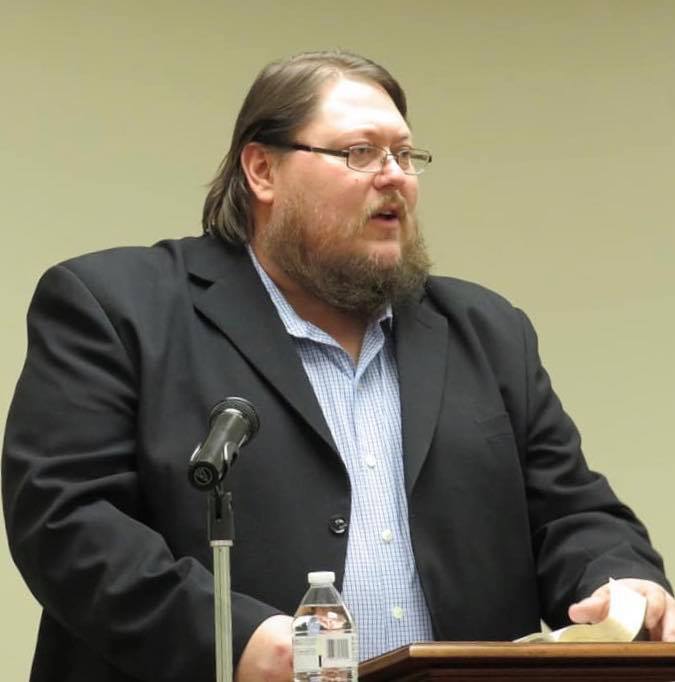
The sermon titled "The Spiritual Sanctuary and Tabernacle" by Mikal Smith primarily addresses the Reformed theological concept of the fulfillment of the Old Covenant in Jesus Christ and the significance of the New Covenant. Smith argues that the Old Covenant, represented by the tabernacle and its sacrifices, has been entirely fulfilled and rendered obsolete by Christ's sacrificial work on the cross, as articulated in Hebrews 8:1-2. He emphasizes that returning to physical sacrifices undermines the sufficiency of Christ's sacrifice and blasphemes the work accomplished by the Lamb of God. Smith draws from various Scripture passages, particularly from Hebrews, to illustrate that the true tabernacle is spiritual and exists in the person of Christ, who is the minister of a new and everlasting covenant. This is significant as it redirects the focus of worship from physical rituals to the spiritual realities found in Christ, highlighting the Church as the spiritual sanctuary where God dwells among His people.
Key Quotes
“The Old Covenant has been done away with. It's gone, folks. It's done.”
“Any kind of bull and goat sacrifice in any future date... is blasphemy before the Lord Jesus Christ and what He has accomplished.”
“The true sanctuary is not a physical thing. It is a spiritual thing. It is a people.”
“Everything that that old covenant could not do, Christ did. Everything that that new covenant promised, Christ gives us by what He did.”
The Bible teaches that the tabernacle is a foreshadowing of the true sanctuary where God dwells with His people through Jesus Christ.
According to Hebrews 8:1-2, the tabernacle symbolizes the spiritual reality of God's presence among His people. In the past, the physical tabernacle served as a type or shadow, representing the true sanctuary that Christ, as our high priest, ministers in. The Old Covenant's tabernacle was temporary and pointed to the fulfillment found in Jesus. Therefore, the tabernacle represents Christ Himself and His relationship with the elect, emphasizing that we are now the true sanctuary where God dwells.
Hebrews 8:1-2, Ezekiel 37:27
The Bible states that the Old Covenant has been fulfilled in Christ, meaning it is no longer active.
Hebrews makes it clear that the Old Covenant was only a type and shadow of the things to come and has now been fulfilled in Christ's work. The sacrificial system and the physical tabernacle served a purpose for a time, but with the coming of Jesus, the need for these was abolished. Hebrews 8 emphasizes that Christ is a high priest of a better covenant, indicating that the Old Covenant is no longer in action. It is crucial for believers to understand that our relationship with God is established through the New Covenant in Christ alone.
Hebrews 8:1-2, Hebrews 10:9-10
Understanding the true tabernacle emphasizes Christ’s fulfillment of the Old Covenant and His presence among believers.
For Christians, recognizing that Jesus is the true tabernacle means understanding that He fulfilled all the types and shadows of the Old Covenant. The physical tabernacle served as a means to point God's people to the ultimate reality of God's presence through Christ. As believers, we are the sanctuary of God, where He dwells. This understanding influences our worship, fellowship, and the way we view our relationship with God. It highlights that Christ is central to our faith and that the physical rituals are no longer necessary because He has accomplished all that was needed for our redemption.
Hebrews 8:2, Galatians 4:26
It means that Christ actively intercedes for His people in the true sanctuary of heaven.
In Hebrews 8:2, Christ is described as the minister of the true sanctuary, indicating His ongoing role in the spiritual realm. He operates as our high priest, interceding on behalf of His people and ensuring that our relationship with God is maintained. This role emphasizes that Jesus is not just a historical figure but a current minister who works within us and among us, providing the grace we need to live as His people. Understanding Christ's ministerial role enriches our worship and reinforces the assurance we have in Him as our mediator.
Hebrews 8:2, Romans 8:34
Returning to Old Covenant practices undermines Christ’s completed work and blasphemes His sacrifice.
Christ's death and resurrection rendered the Old Covenant's sacrifices obsolete, yet some believers may be tempted to return to these practices out of tradition or misunderstanding. Hebrews 10:4 states that it is impossible for the blood of bulls and goats to take away sins. Engaging in these Old Covenant practices overlooks the sufficiency of Christ's one-time sacrifice and disrespects the fulfillment He provides. Thus, Christians are called to embrace the New Covenant, which is based entirely on faith in Christ, who is our all in all, rather than reverting to rituals that can no longer achieve what Christ has already accomplished.
Hebrews 10:4-10, Hebrews 8:13

Comments
Your comment has been submitted and is awaiting moderation. Once approved, it will appear on this page.
Be the first to comment!