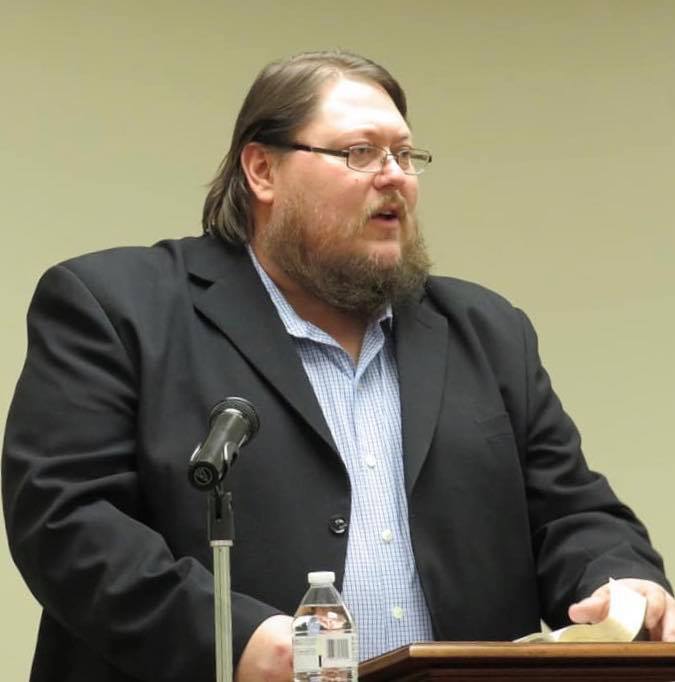
In his sermon "God Turns the Heart: No Free Will," Mikal Smith addresses the Reformed doctrine of divine sovereignty and predestination, particularly as it relates to human agency. The preacher argues that God's control over human hearts is absolute, citing Proverbs 21:1 and Exodus 4:21 to demonstrate that God can turn the hearts of individuals, including rulers like Pharaoh, as part of His sovereign plan. He emphasizes that free will, as commonly understood, is a fallacy; instead, humans are completely reliant on God for both their inclinations to righteousness and their actions. This theme corroborates the classical Reformed perspective that asserts God's preordained control of all events, thereby upholding the doctrines of election and total depravity. The practical significance of this doctrine urges believers to rest in God's sovereignty, reassuring them that He orchestrates their salvation and preserves their faith without requiring human intervention.
Key Quotes
“The heart is in the hand of the Lord and He can turn it whithersoever He wills.”
“God's sovereignty means absolute control, total authority.”
“God raised him [Pharaoh] up for a specific purpose... it was for the glory of God.”
“You don’t have to beg them to come to an altar somewhere. You don’t have to do that.”
The Bible teaches that true free will, where individuals can choose salvation independently, does not exist; God controls the will of all people.
In Scripture, it’s clear that God's sovereignty extends over all aspects of life, including the human will. Proverbs 21:1 illustrates this by stating, 'The king's heart is in the hand of the Lord; he turns it wherever he wishes.' This implies that if God can turn the hearts of kings, He can certainly turn the hearts of everyone else. Rather than seeing human free will as independent from divine sovereignty, we understand that true freedom is found in being led by God’s will alone. The insistence on free will often leads to misunderstandings of God’s ultimate authority and purpose in salvation, as seen in Exodus where God directly hardens Pharaoh’s heart to fulfill His greater plan.
Proverbs 21:1, Exodus 4:21, Romans 9:14-18
Scripture consistently shows that God exercises sovereignty over human decisions, as seen in the story of Pharaoh.
God's sovereignty over human decisions is a recurring theme in the Bible. The account of Pharaoh in Exodus serves as a clear example where God hardens Pharaoh's heart to achieve His purpose of delivering Israel from Egypt. God told Moses, 'I will harden his heart' (Exodus 4:21) explicitly indicating His control over Pharaoh's choices. Additionally, throughout the plagues, each instance of Pharaoh hardening his heart is prefaced by God’s own hardening of Pharaoh’s heart, highlighting the interplay between divine sovereignty and human accountability. This demonstrates that God’s authority is supreme, and He fulfills His purposes while holding humans accountable for their actions.
Exodus 4:21, Exodus 10:20, Romans 9:17-18
Understanding God's sovereignty reassures Christians of His ultimate control and purpose over all things, including salvation.
For Christians, recognizing God's sovereignty is foundational for faith and assurance. It emphasizes that God is not passive but actively governs everything according to His divine plan. As stated in Isaiah 46:10, God declares the end from the beginning, ensuring that His purpose stands. This understanding alleviates anxiety about the unpredictability of life and challenges; believers can trust that God is working all things for their good (Romans 8:28). Sovereignty also highlights grace, revealing that salvation is not based on human will or effort but solely on God's electing love and mercy. When believers grasp this biblical truth, they realize their hope and security lie in God's eternal promise rather than their own fluctuating desires.
Romans 8:28, Isaiah 46:10, Ephesians 1:4-5
Comments
Your comment has been submitted and is awaiting moderation. Once approved, it will appear on this page.
Be the first to comment!
