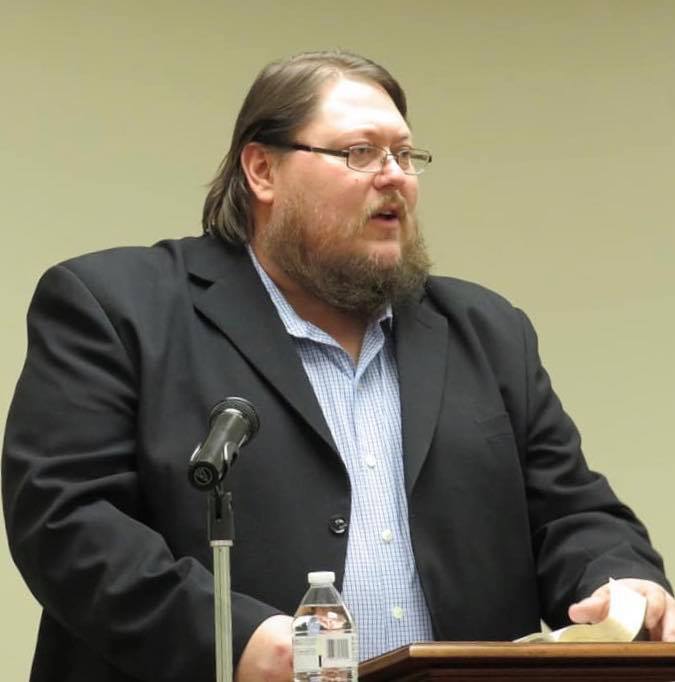
In Mikal Smith's sermon titled "Reminder of Hope," the primary theological focus is on the return of Jesus Christ as outlined in 2 Peter 3. Smith emphasizes the steadfastness of God's promises, contrasting the doubts of scoffers who question the second coming due to the passage of time. He draws from Scripture, including verses 8-9, to argue that God's perception of time differs from humanity's, affirming that He is not slow in fulfilling His promises but is patient, desiring for none of the elect to perish. This doctrine points to the Reformed teachings on divine election and God's sovereignty. Practically, the sermon serves as a call for believers to remain vigilant and faithful, nurturing their hope in Christ and living in readiness for His return, while proclaiming the necessity of growing in the grace and knowledge of Christ.
“The Lord is not slack concerning His promise, as some men count slackness, but is longsuffering to usward, not willing that any should perish, but that all should come to repentance.”
“God's Word doesn't ever change. What God said in the Old Testament, He says in the New Testament, He says right now.”
“God is still in control of all this, and this is what he's saying here. He's saying, wherefore, beloved, seeing that ye look for such things, we're looking for the return of Christ.”
“Grow in the grace and knowledge of the Lord and Savior Jesus Christ, to Him be glory both now and forever.”
The Bible promises that Jesus will return, fulfilling His word and bringing final judgment.
2 Peter 3:1-18
God's promises are rooted in His character, which cannot lie or change.
Hebrews 6:18, 2 Peter 3:9
The Second Coming assures Christians of ultimate justice and hope for eternal life.
2 Peter 3:10-13
Auto-generated transcript • May contain errors

Comments
Your comment has been submitted and is awaiting moderation. Once approved, it will appear on this page.
Be the first to comment!