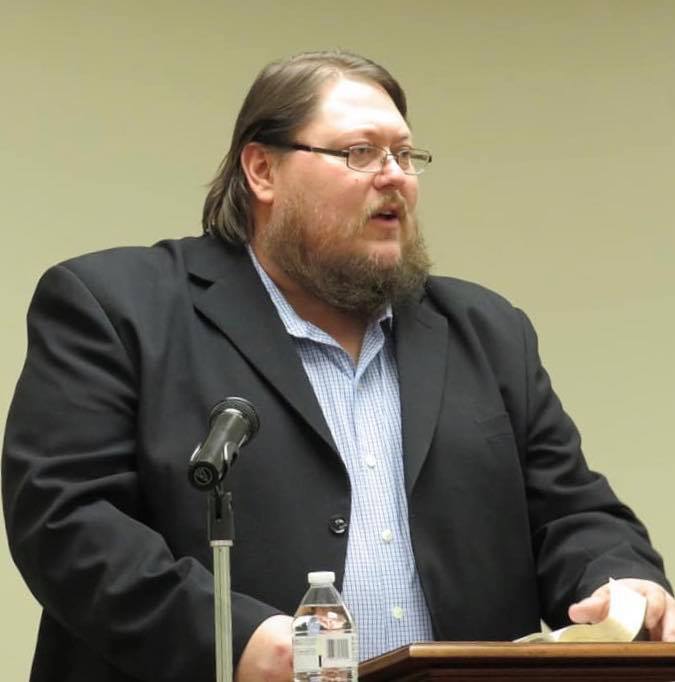
In the sermon "Two Seeds Pt 1," Mikal Smith addresses the theological themes of regeneration and original sin through the metaphor of "two seeds" derived from Biblical texts, primarily Genesis 1 and James 1. He argues that believers are born again not through corruptible seeds, which he equates with humanity's sinful nature inherited from Adam, but by the incorruptible seed of Christ. By contrasting the natural man's birth from Adam with the spiritual rebirth through Christ, Smith highlights that while all humans are born into sin due to Adam's transgression, the elect are born again through the power of the Spirit, receiving a new and holy nature. He supports his arguments through multiple scripture references, particularly emphasizing 1 Peter 1:23 and Romans 5:12-19, which illustrate the necessity of sin for the fulfillment of God's redemptive plan. The practical significance of this sermon lies in the assurance it provides to believers regarding their identity in Christ and the transformative power of salvation, asserting that true change comes from being part of Christ's spiritual lineage rather than Adam's corruptible heritage.
“We are born again by the Spirit of Christ coming and giving life to our dead person.”
“The grass withereth and the flower thereof falleth away, but the word of the Lord endureth forever.”
“We don't become sinners because we at some point begin to sin. We are born sinners because we are born after the kind which Adam was.”
“If God did not want Adam to eat of that tree, he would not have said, in the day thou eatest thereof, thou shalt surely die.”
The Bible describes being born again as being born of incorruptible seed, specifically through the Lord Jesus Christ.
1 Peter 1:23, John 3:3-7
The doctrine of original sin is affirmed in Romans 5:12, which states that sin entered the world through one man, Adam.
Romans 5:12, Genesis 3:6-7
The concept of two seeds illustrates the distinction between the children of Adam and the children of Christ, emphasizing our need for regeneration.
Genesis 1:11, 1 Peter 1:23, John 3:3-7
Auto-generated transcript • May contain errors

Comments
Your comment has been submitted and is awaiting moderation. Once approved, it will appear on this page.
Be the first to comment!