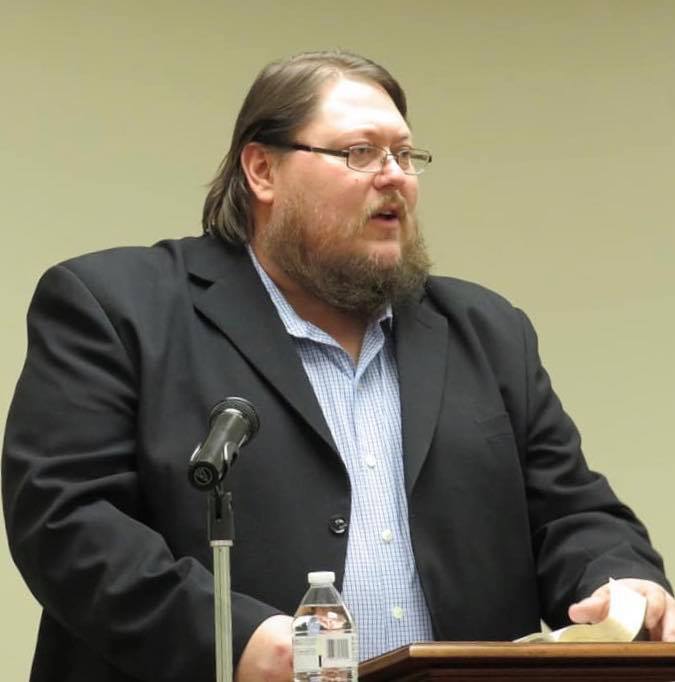
In the sermon "Eternal Justification Pt 4," preacher Mikal Smith addresses the doctrine of eternal justification, illustrating how it is rooted in the eternal decree of God before the foundation of the world. He emphasizes that justification is an act of God that transcends time, initiated by the Father’s election of His people and secured through the Son’s mediatorial work. Key Scriptural references include Romans 8, where Smith highlights the definitive calling of the elect (28-30) and the assurance of their justification (33). Through the lens of Reformed theology, he contends that justification cannot be contingent upon human action or experience, asserting that it is based on God's eternal plan and grace, thus providing believers with profound assurance of their standing before God.
Key Quotes
“Justification is an act of the eternal God. It takes place outside of time.”
“Salvation isn't about anything that you do in its legal aspects, none whatsoever.”
“He hath not beheld iniquity in Jacob; neither hath he seen perverseness in Israel.”
“If God be for us, who can be against us?”
The Bible teaches that justification is a divine decree that occurs before the foundation of the world for the elect in Christ.
Eternal justification refers to the doctrine that God's chosen people are justified in Christ before the foundation of the world. This concept is rooted in Scriptures like Romans 8, where Paul explains that those God foreknew and predestined are also called and justified. Justification is not merely a temporal act occurring at the point of faith but is a reality established in the eternal plan of God. Key passages, such as 2 Timothy 1:9 and Ephesians 1:4-5, illustrate that the choice and justification of God's people existed in God's mind before creation, based on the work of Christ as their surety. Hence, our justification is deeply tied to God's eternal purpose and grace.
Romans 8:28-30, Ephesians 1:4-5, 2 Timothy 1:9
Justification from eternity is affirmed through Scripture, showing that God’s purposes and decrees are established outside of time.
The truth of justification from eternity is grounded in biblical revelation, specifically in texts such as Romans 8 and Ephesians 1. These passages convey that God's foreknowledge and predestination precede creation itself, indicating that God's love and choice of His elect were determined before time began. Romans 8:30 encapsulates this sequence—foreknowledge, predestination, calling, justification, and ultimately glorification—asserting a divine order that begins in eternity and manifests in time. This foundational understanding anchors the doctrine in God's immutable will, contrasting with views that see justification solely as a time-bound event.
Romans 8:30, Ephesians 1:4-5
Understanding eternal justification assures Christians of their secure standing before God, rooted in His sovereign grace.
The importance of grasping eternal justification lies in the assurance it provides believers regarding their standing before God. By understanding that they were justified before the foundation of the world, Christians can find comfort and stability in their salvation, which is grounded in God's sovereign choice rather than their actions. This doctrine emphasizes that justification is an act of God that is independent of human merit, underscoring the grace that characterizes salvation. It shifts the believer’s focus from works to the finished work of Christ and God’s eternal plan, fostering a spirit of thankfulness and worship, knowing they are eternally secure in His love. This helps believers navigate struggles with sin and offers confidence in God's unchanging nature.
Romans 8:33-34, Ephesians 1:3-4
Comments
Your comment has been submitted and is awaiting moderation. Once approved, it will appear on this page.
Be the first to comment!
