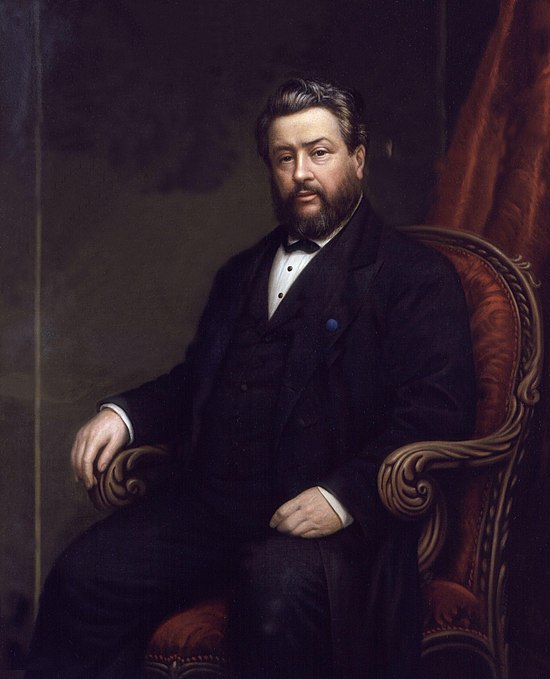
C. H. Spurgeon's sermon, "Those Whom God Esteems," focuses on the theological doctrine of humility before God, emphasizing the attributes that God values in His creation. The key arguments present a countercultural understanding of worth in God’s eyes, where humility, contrition, and reverence for Scripture are elevated over self-righteousness and external piety. Spurgeon uses Isaiah 66:2 and Psalm 51:17 to illustrate that God esteems the humble and contrite spirit, emphasizing that true repentance and acknowledgment of one's sin lead to salvation. The practical significance of this sermon is profound, as it calls believers to recognize their dependence on God's grace, encouraging them to cultivate a posture of humility and reverence in their spiritual lives.
“Pride is treason against our creator. Humility is the sinner's only sane posture.”
“Where there is no brokenness, there is no repentance. Where there is no repentance, there is no salvation.”
“The one who trembles, refuses to twist scripture, and refuses to place human opinion above divine revelation.”
“A broken and contrite heart is the best offering you can bring to God.”
The Bible teaches that humility is recognizing our dependence on God and His infinite holiness.
Isaiah 66:2
Scripture indicates that true contrition over sin leads to repentance and is essential for salvation.
Psalm 51:17
Trembling at God's Word signifies reverence and submission to its authority.
Isaiah 66:2
Auto-generated transcript • May contain errors

Comments
Your comment has been submitted and is awaiting moderation. Once approved, it will appear on this page.
Be the first to comment!