Bootstrap
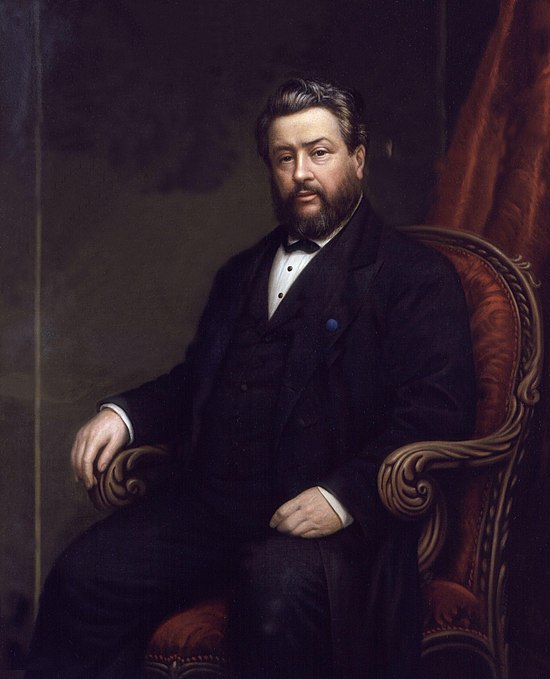
Charles Spurgeon

Grace in the heart, is like a spark in the ocean!

Jude 24-25; Psalm 119:117
Charles Spurgeon June, 24 2025 Audio
0 Comments
Psalm 119:117, "Hold me up, and I shall be safe!"

There is a glorious humility in this brief prayer. It is the cry of one who knows both his weakness, and his heavenly Father's ability. The psalmist does not say, "I will hold myself up!" or "I will stand in my own strength!" He knows better. He has learned the painful lesson of his own weakness and instability, and proneness to wander from God. Instead, he casts himself entirely upon the Lord: "Hold me up, and I shall be safe!" Only God can uphold His redeemed people, with corruption in their hearts, in a world full of spiritual dangers and deceits.

This verse is a declaration of the utter necessity of God's sustaining grace. The redeemed are not kept by their own will-power, intelligence, or resolve--they are "kept by the power of God through faith" (1 Peter 1:5). It is sovereign grace that chose them, grace that effectually called them, grace that redeemed them, and grace that will preserve them to the end. Were it not for God's moment-by-moment upholding grace, no believer could endure to the end. The world entices, the flesh rebels, the devil accuses--and divine grace alone keeps the feet from slipping.

The Lord's people shall not fall away finally or totally. They may fall foully, but they shall not fall finally. He who began the good work in them, will carry it on until He completes it. The same hand which gave us spiritual life, must preserve that life. Grace in the heart, is like a spark in the ocean; it would be utterly quenched, unless the Lord kept it alive.

Yet God's sustaining grace is not merely a necessity--it is a comfort beyond all measure. What greater security could the believer have, than to be uph

In his sermon "Grace in the Heart is Like a Spark in the Ocean," C. H. Spurgeon expounds on the doctrine of God's sustaining grace as illustrated in Psalm 119:117 and Jude 24-25. He emphasizes the believer’s inherent weakness and the necessity of divine support, stating that only God's power can uphold His people amidst the challenges of life. Spurgeon argues that while believers may falter, they are ultimately safeguarded by God's sovereign grace, which not only initiates their salvation but also preserves them until the end. He highlights that reliance on God's unwavering hold rather than personal strength is key to spiritual security. This assurance calls believers to approach God with a humble prayer for support, reflecting a rich understanding of Reformed theology regarding grace and perseverance.

Key Quotes

“Only God can uphold His redeemed people with corruption in their hearts in a world full of spiritual dangers and deceits.”

“The world entices, the flesh rebels, the devil accuses, and divine grace alone keeps their feet from slipping.”

“What sweeter assurance than to know that our safety depends, not on our grip on God, but on His mighty hold on us.”

“Let us not rely on our own wisdom or strength. Let us lean wholly on Him who never fails.”

What does the Bible say about God's sustaining grace?

The Bible teaches that God's sustaining grace is essential for believers' endurance and safety.

Scripture highlights the necessity of God's sustaining grace, particularly in passages like Psalm 119:117, where the psalmist cries out, 'Hold me up and I shall be safe.' This reflects a profound understanding of our own weaknesses and the complete reliance on God's strength. It is through His grace that believers are upheld amidst spiritual dangers, as they cannot depend on their own willpower or intelligence. The assurance of being preserved by God’s grace brings comfort to the believer, highlighting that our safety ultimately lies not in our grasp of God but in His unwavering hold on us.

Psalm 119:117, Jude 24-25

How do we know God's grace preserves us?

God's grace preserves us through His sovereign power, ensuring we remain steadfast in faith.

The doctrine of preservation is rooted in the understanding that it is God who initiates and sustains faith in the lives of believers. Jude 24-25 underscores this truth, emphasizing that He who began a good work will carry it on to completion. The believer’s perseverance is assured because it is not contingent upon personal effort but on God's faithful and sustaining grace. This divine preservation guarantees that while believers may stumble, they will not fall away from grace permanently, as God ensures their ultimate safety and spiritual victory.

Jude 24-25, Philippians 1:6

Why is relying on God's grace important for Christians?

Relying on God's grace is essential for true spiritual security and strength.

Dependence on God's grace is pivotal for Christians as it signifies recognition of our inherent weakness and the need for divine support. The psalmist's plea, 'Hold me up and I shall be safe,' illustrates the necessity of casting our reliance on God's strength instead of our own. Without this reliance, believers risk falling into spiritual vulnerability against temptations and trials. God's grace not only offers a foundation of security but also strengthens and protects believers from the evil one, enabling them to stand firm in their faith.

Psalm 119:117, Jude 24-25

Sermon Transcript

Auto-generated transcript • May contain errors

100%
Grace in the heart is like a spark in the ocean. By Charles Spurgeon. Psalm 119, verse 117. Hold me up and I shall be safe. There is a glorious humility in this brief prayer. It is the cry of one who knows both his weakness and his heavenly Father's ability. The psalmist does not say, I will hold myself up or I will stand in my own strength. He knows better. He has learned the painful lesson of his own weakness and instability and proneness to wander from God. Instead, he casts himself entirely upon the Lord. Hold me up and I shall be safe. Only God can uphold His redeemed people with corruption in their hearts in a world full of spiritual dangers and deceits. This verse is a declaration of the utter necessity of God's sustaining grace. The redeemed are not kept by their own willpower, intelligence, or resolve. They are kept by the power of God through faith. It is sovereign grace that chose them. grace that effectually called them, grace that redeemed them, and grace that will preserve them to the end. Were it not for God's moment-by-moment upholding grace, no believer could endure to the end. The world entices, the flesh rebels, the devil accuses, and divine grace alone keeps their feet from slipping. The Lord's people shall not fall away finally or totally. They may fall foully, but they shall not fall finally. He who began the good work in them will carry it on until he completes it. The same hand which gave us spiritual life must preserve that life. Grace in the heart is like a spark in the ocean. It would be utterly quenched unless the Lord kept it alive. Yet God's sustaining grace is not merely a necessity. It is a comfort beyond all measure. What greater security could the believer have than to be upheld by God's everlasting arms? What sweeter assurance than to know that our safety depends, not on our grip on God, but on His mighty hold on us. The Lord is faithful, and He will strengthen and protect you from the evil one. when fear arises, when temptations threaten, when strength fails. May this prayer be our rock of refuge. Hold me up, and I shall be safe. Let every believer pray this daily. Let us not rely on our own wisdom or strength. Let us lean wholly on Him who never fails. And when we are upheld, when we find ourselves still walking with God, still standing in grace, still looking to Jesus. Let us give Him all the praise, for it is not we who have held fast to Him, but He who has held fast to us. To Him who is able to keep you from falling and to present you before His glorious presence without fault and with great joy, To the only God our Savior be glory, majesty, power, and authority through Jesus Christ our Lord, before all ages, now and forevermore. Amen. Jude, verses 24 and 25.
Charles Spurgeon
About Charles Spurgeon
Charles Haddon Spurgeon (19 June 1834 — 31 January 1892) was an English Particular Baptist preacher. His nickname is the "Prince of Preachers."
Broadcaster:

Comments

0 / 2000 characters
Comments are moderated before appearing.

Be the first to comment!

Joshua

Joshua

Shall we play a game? Ask me about articles, sermons, or theology from our library. I can also help you navigate the site.