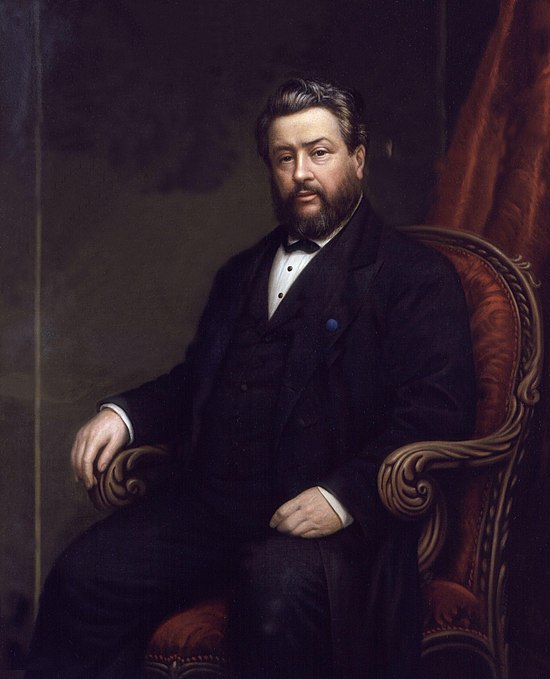
In the sermon "Ear Stoppers," C. H. Spurgeon addresses the theological topic of human resistance to the Gospel, specifically through the concept of spiritual ear-stoppers that hinder individuals from receiving the truth of God's word. Spurgeon outlines seven categories of these ear-stoppers: ignorance, unbelief, impenitence, prejudice, love of sin, pride, and worldliness. He supports his arguments with references to Hebrews 3:17 and Zechariah 7:11, highlighting how these Scriptures depict a persistent human rejection of divine revelation. The doctrinal significance of the sermon lies in its emphasis on the necessity of divine intervention, illustrating that only God can truly open the ears of the spiritually deaf, enabling a proper response to the Gospel message.
Key Quotes
“But they refused to pay attention. Stubbornly they turned their backs and stopped up their ears.”
“Some ears are stopped up by ignorance. They know not the importance and value of the truth, and therefore they refuse to give earnest heed to it.”
“The gospel itself sounds upon such ears with no more effect than upon a marble statue.”
“Only when God unstops the ear is the still, small voice of truth heard in the chambers of the heart.”
The Bible emphasizes that stubbornness leads to spiritual deafness and a refusal to listen to God's truth (Hebrews 3:17).
Scripture teaches that stubbornness manifests in the refusal to heed God's truth, resulting in spiritual deafness. In Hebrews 3:17, we see that because of disobedience and hard-heartedness, the Israelites suffered God's judgment. This principle applies to all generations as they turn away from divine revelation, illustrating the gravity of a stubborn heart that rejects the gospel's message. Acknowledging this, believers are called to examine their hearts for any signs of stubbornness that may hinder their response to God.
Hebrews 3:17
The gospel is supported by divine authority and revelation, which establishes its truth and reliability for salvation.
The authority of the gospel is grounded in its divine origin, being a message from God intended for human salvation. Believers recognize its infallibility through the testimony of Scripture and the transformative power it has in the lives of those who accept it. In 1 Corinthians 1:21, Paul mentions that God chose the foolishness of preaching to save those who believe, reinforcing the idea that divine authority backs the gospel message. This divine authority should lead us to approach the gospel with reverence and belief amid skepticism and doubt.
1 Corinthians 1:21
Repentance is necessary for salvation as it signifies a turning from sin to God, demonstrating a genuine response to the gospel.
Repentance is a critical component of the Christian faith, reflecting a true acknowledgment of one's sinful state and an earnest desire to turn from that sin towards God. As discussed in Zechariah, many hearts remain impenitent, refusing to respond to the glorious truth of the gospel, which calls for a transformation of life. The New Testament reinforces this, particularly in Acts 3:19, where Peter proclaims to the people to repent so that their sins may be blotted out. Genuine repentance is evidence of a heartfelt response to the gospel and is essential for receiving the grace offered in Christ.
Zechariah 7:11, Acts 3:19
Common obstacles include unbelief, pride, worldliness, and prejudice that can stop ears from hearing God's truth.
Obstacles to hearing the gospel can manifest in various forms, including unbelief, pride, worldliness, and prejudice. Unbelief leads individuals to reject the gospel as an idle tale, while pride causes them to believe they do not need a Savior. Worldliness, driven by the distractions of life, pulls attention away from spiritual matters, leaving little room for the gospel's impact. Additionally, prejudice can prevent one from hearing the truth as it is presented, leading to misunderstanding and rejection. These barriers, as described in Spurgeon's exposition, highlight the need for divine intervention in opening ears to the message of salvation.
Hebrews 3:17, Zechariah 7:11
Comments
Your comment has been submitted and is awaiting moderation. Once approved, it will appear on this page.
Be the first to comment!
