Bootstrap
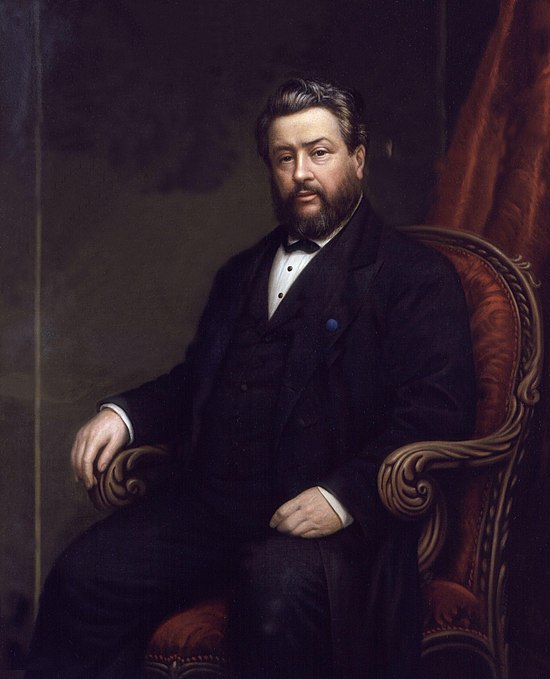
Charles Spurgeon

God's presence amidst life's darkest moments

Psalm 23:4; Psalm 23
Charles Spurgeon February, 22 2025 Audio
0 Comments
Psalm 23:4, "Even though I walk through the valley of the shadow of death, I will fear no evil, for You are with me. Your rod and your staff, they comfort me."

The imagery in this verse is both vivid and profound, offering Christians a picture of God's presence amidst life's darkest moments. This verse has been a source of comfort to believers throughout the ages, reminding us that God's presence transforms even the darkest valleys of life, into places of safety and peace.

Spurgeon writes: "Death in its substance has been removed, and only the shadow of it remains. Nobody is afraid of a shadow, for a shadow cannot stop a man's pathway even for a moment.
The shadow of a dog cannot bite;
the shadow of a sword cannot kill;
the shadow of death cannot destroy us."
Spurgeon's words compel us to view the "valley of the shadow of death" not as a place of despair, but as a path we tread under the Shepherd's watchful eye and care.

This perspective echoes the words of Puritan Richard Baxter, who said, "Our Savior has sanctified all conditions of life and death to us, so that we may walk with Him through the darkest passage, as cheerfully as in the most prosperous ways." Baxter's insight reinforces the reality that Christ's presence redeems and sanctifies even the deepest trials.

David's declaration, "I will fear no evil, for You are with me," is founded on his view of God's Omnipresence and Omnipotence.

The Puritan Thomas Watson wrote: "Where reason cannot wade, faith must swim." Faith enables us to see that the Shepherd's protection is stronger than any evil that might surround us. When the Good Shepherd is near, fear flees.

The rod and staff symbolize God's protection and

In this sermon, C. H. Spurgeon addresses the theological topic of God's enduring presence during life's perilous moments, as illustrated in Psalm 23:4. He argues that even amidst the most daunting trials, like walking through the "valley of the shadow of death," believers have no reason to fear due to God's protective presence. Spurgeon supports this assertion by emphasizing the transformative power of faith, alongside the assurance found in God's omnipresence and His role as the Good Shepherd, drawing from related insights by Puritan theologians such as Richard Baxter and Thomas Watson. The practical significance of this message lies in the comfort and assurance it provides Christians, encouraging them to trust in God's providence, protection, and active shepherding through both trials and everyday life.

Key Quotes

“Death in its substance has been removed, and only the shadow of it remains.”

“When the good shepherd is near, fear flees.”

“The rod and staff symbolize God's protection and guidance.”

“Though shadows may loom, they cannot extinguish the light of God's promises.”

What does the Bible say about God's presence in dark times?

The Bible assures us of God's presence in dark times, as seen in Psalm 23:4, which encourages believers not to fear evil.

The Bible reveals that God's presence is a source of comfort in life's darkest moments. Psalm 23:4 states, 'Even though I walk through the valley of the shadow of death, I will fear no evil, for you are with me.' This profound assurance underscores the truth that God's companionship can transform despair into peace. Believers are reminded that death has been defeated, leaving only a shadow, which cannot harm them. Spurgeon illustrates this beautifully, emphasizing that just as a shadow cannot stop one's path, neither can the shadow of death destroy a believer's hope in God.

In addition, the teachings of Puritan theologians such as Richard Baxter and Thomas Watson further reinforce this assurance. Baxter reminds us that our Savior sanctifies all conditions of life and death, allowing us to walk even through the darkest valleys with confidence. Watson encourages faith in God's presence, stating that when faith prevails, fear diminishes. Ultimately, knowing that God is with us—even in trials—encourages believers to navigate life’s challenges with peace and tranquility.

Psalm 23:4

Why is God's presence important for Christians?

God's presence is crucial for Christians as it offers comfort, guidance, and assurance amid life's trials.

For Christians, the presence of God is essential because it encapsulates the promise of comfort, protection, and guidance. In Psalm 23:4, David affirms that he will 'fear no evil,' not because adversity is absent but because God's presence transforms fear into peace. The assurance of having the Good Shepherd with us affords believers a profound sense of security in the face of life's challenges, including death itself, which is often seen as the ultimate fear.

Additionally, the rod and staff symbolize God's protective and corrective presence. They are tangible reminders of His active involvement in our lives, guiding us towards righteousness and keeping us safe from harm. Puritan theologians have long taught that recognizing God's hand in all circumstances brings comfort, further highlighting the vital role of His presence. Thus, trusting in God’s presence enables Christians to approach their trials not with despair but with faith and confidence, knowing that they are never alone.

Psalm 23:4

How do we know God's promises are true?

God's promises are true and reliable, as they are affirmed in Scripture and evidenced by His faithfulness.

The truth of God's promises is rooted in the faithfulness of His character as revealed in Scripture. Throughout the Bible, God has proven Himself trustworthy, fulfilling promises to His people across generations. An illustrative example is found in Psalm 23, where the promise of God's presence provides assurance and comfort to believers even in death’s shadow. This promise is not merely a fleeting hope but is anchored in God's unwavering nature, which reassures us that He will uphold His Word.

Moreover, historic Reformed theology emphasizes that God's immutable character guarantees the certainty of His promises. As believers reflect on God's faithfulness in their lives, they are encouraged to rest assured in His commitments. Therefore, the reliability of God's promises stems from both His Word and His faithful actions, infusing believers with hope even during the most daunting trials.

Psalm 23

Sermon Transcript

Auto-generated transcript • May contain errors

100%
God's presence amidst life's darkest moments. Psalm 23, verse 4. Even though I walk through the valley of the shadow of death, I will fear no evil, for you are with me. Your rod and your staff, they comfort me.

The imagery in this verse is both vivid and profound, offering Christians a picture of God's presence amidst life's darkest moments. This verse has been a source of comfort to believers throughout the ages, reminding us that God's presence transforms even the darkest valleys of life into places of safety and peace.

Spurgeon writes, Death in its substance has been removed, and only the shadow of it remains. Nobody is afraid of a shadow, for a shadow cannot stop a man's pathway even for a moment. The shadow of a dog cannot bite. The shadow of a sword cannot kill. The shadow of death cannot destroy us.

Spurgeon's words compel us to view the valley of the shadow of death not as a place of despair, but as a path we tread under the shepherd's watchful eye and care. This perspective echoes the words of Puritan Richard Baxter, who said, Our Savior has sanctified all conditions of life and death to us so that we may walk with Him through the darkest passage as cheerfully as in the most prosperous ways.

Baxter's insight reinforces the reality that Christ's presence redeems and sanctifies even the deepest trials. David's declaration, I will fear no evil, for you are with me, is founded on his view of God's omnipresence and omnipotence. The Puritan Thomas Watson wrote, Where reason cannot wade, faith must swim.

Faith enables us to see that the shepherd's protection is stronger than any evil that might surround us. When the good shepherd is near, fear flees. The rod and staff symbolize God's protection and guidance. Spurgeon again provides rich imagery. The staff of the shepherd is a great comfort to the sheep, for it guides them in the right way and keeps them from wandering.

Similarly, the rod, an instrument of discipline, reminds us that God's correction is an expression of His love for His redeemed children, keeping us safe from paths that would harm us. Puritan John Flavel observed, he who sees God's hand in all things will find reason for comfort in all things.

To the believer, the rod and staff are tangible signs of God's active involvement in their lives. In moments when life's valleys seem overwhelming, we are called to remember the abiding presence of the Good Shepherd. Though shadows may loom, they cannot extinguish the light of God's promises.

Let us anchor our hearts in the assurance that Jesus is our ever-present and all-powerful Shepherd and that He will cause all things to work together for our ultimate good and His glory.

Lord, thank You for being our Shepherd, even in the valley of the shadow of death. Teach us to trust in Your presence. your providence and your protection, and to find comfort in your rod and staff. May we walk by faith and not by sight, knowing that you are with us every step of the way.
Charles Spurgeon
About Charles Spurgeon
Charles Haddon Spurgeon (19 June 1834 — 31 January 1892) was an English Particular Baptist preacher. His nickname is the "Prince of Preachers."
Broadcaster:

Comments

0 / 2000 characters
Comments are moderated before appearing.

Be the first to comment!

Joshua

Joshua

Shall we play a game? Ask me about articles, sermons, or theology from our library. I can also help you navigate the site.