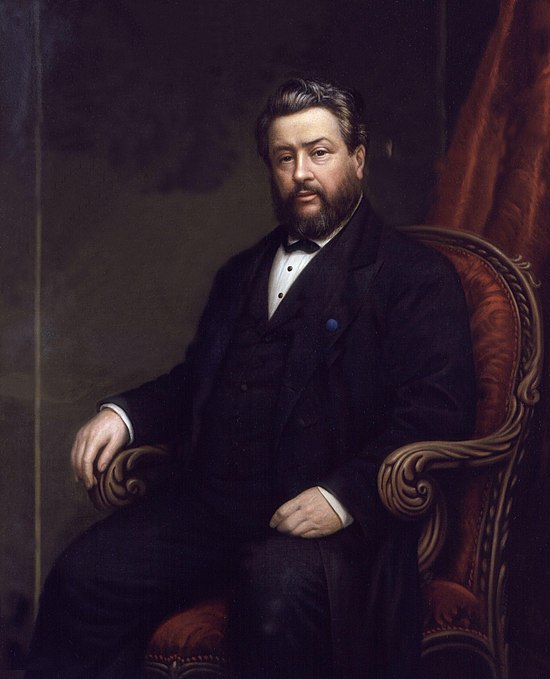
The sermon "Prayer Answered and Unanswered" by C. H. Spurgeon addresses the nature of prayer, emphasizing the importance of approaching God with both reverence and boldness, as seen in Hebrews 4:16 and Philippians 4:6. Spurgeon argues that while God graciously answers prayers out of necessity, He also wisely withholds responses to requests made in error or with selfish intent. He highlights that God often transcends our requests, doing abundantly more than we can imagine, underscoring the necessity of aligning our desires with God's will for true spiritual fulfillment. Spurgeon concludes by actively praying for various needs, reinforcing the significance of intercession in the believer’s life and the necessity of seeking God's glory in answered and unanswered prayers.
Key Quotes
“We had better have been without it, and have dwelt in our God, and found our joy in him.”
“The prayers of our lusts thou hast rejected, but the prayers of our necessities thou hast granted.”
“Oh, what encouragement we have to pray to such a prayer-hearing God, who far exceeds the request of His children.”
“Glorify thy Son that thy Son also may glorify Thee.”
The Bible teaches that unanswered prayers can be a means of God's wisdom and love, guiding us away from asking amiss.
Unanswered prayers can often reveal God's greater wisdom in our lives, as evidenced in James 4:3, which says that we may ask with wrong motives. This highlights that there are times when God, in His sovereign grace, chooses not to grant certain requests because they may lead us away from our reliance on Him. Instead of focusing on what we perceive as unanswered prayers, it's essential to appreciate the sovereignty of God in prayer, recognizing that He knows what is best and will respond according to His will. As we see in Hebrews 4:16, we are invited to approach the throne of grace with confidence, knowing that God hears us, even if the answers are not what we expect or desire.
James 4:3, Hebrews 4:16
Prayer is the means through which Christians communicate with God, seek His guidance, and grow in their relationship with Him.
Prayer is fundamental for Christians as it provides a vital link between the believer and God. As we pray, we express our dependence on Him, acknowledging that we cannot navigate life without His guidance. Furthermore, Philippians 4:6 encourages believers to present their requests to God, demonstrating that prayer is not merely about asking for things but about nurturing an intimate relationship with our Creator. Through prayer, we gain strength, comfort, and clarity, and we align our hearts with God's will. It transforms our perspective and helps us find joy even in trials, as we remember that we are deeply loved and heard by God.
Philippians 4:6, Hebrews 4:16
God answers prayers through providing peace, guidance, and sometimes through direct intervention, reflecting His love and wisdom.
The assurance of God answering prayers lies in His nature and promises found in Scripture. For instance, we see in Psalms that He listens to the cries of His children; this foundational truth gives believers confidence that their prayers are heard. God's answers may not always align with our expectations—sometimes they are a firm 'no' or a 'wait'—which ultimately reflects His wisdom rather than our immediate desires. Moreover, testimonies of believers reveal that many have experienced comfort, guidance, and newfound joy in their relationship with God through answered prayers, regardless of the outcomes. Philippians 4:7 affirms that the peace of God, which surpasses all understanding, acts as a reassurance of His presence as we pray.
Philippians 4:7, Psalms 34:17
Comments
Your comment has been submitted and is awaiting moderation. Once approved, it will appear on this page.
Be the first to comment!
