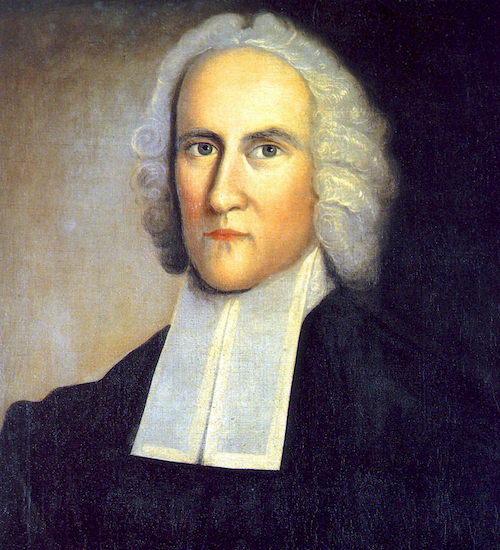
The sermon titled "The God Who Hears and Answers Prayer" by Jonathan Edwards emphasizes the theological doctrine that the true God actively hears and responds to the prayers of His people. Edwards delineates this doctrine in four aspects: First, he affirms God's character as one who graciously listens to and answers prayers, highlighting that He accepts prayer requests as offerings pleasing to Him (supported by Psalm 65:2). Second, he details the ways God responds to prayer, notably through immediate answers, abundant blessings, and even supernatural occurrences, which he illustrates with biblical examples (e.g., the prayer of Hannah in 1 Samuel 1 and the miraculous events during the Exodus). Third, he asserts that only the true God, in contrast to idols or false deities, can genuinely hear and answer prayers, reinforcing the Reformed view of the exclusivity of God's divine attributes (covered in 1 Corinthians 10:20). Finally, Edwards explains five reasons why God answers prayer, including the necessity of prayer to acknowledge human dependence and dependence on Christ as mediator, establishing His sovereignty and grace. The significance of this teaching emphasizes both the privilege and responsibility of believers to engage in prayer, reflecting a deep dependence on God's mercy and faithfulness.
Key Quotes
“Our God, the true God, hears and answers prayer. Though He is infinitely above everyone and has no need of men or women, yet He is graciously pleased to take merciful notice of them.”
“The prayer of the upright pleases Him. He delights to hear them.”
“Only our God hears and answers prayer. There is no other God of whom it may be said that He hears and answers prayer.”
“When the people of God are moved to pray, it is the result of his plan to show mercy.”
The Bible affirms that God hears prayers and is eager to respond to them, as seen in Psalm 65:2.
The Bible speaks clearly about God's attentiveness to prayer, particularly in Psalm 65:2, which states, 'O you who hear prayer, to you all men will come.' This signifies that God distinguishes Himself from false gods by His ability to hear and answer the prayers of His people. Throughout Scripture, we see numerous instances where God promises to respond to genuine prayers. His willingness to engage with humanity, despite His infinite supremacy, showcases His grace and mercy, illustrating that He is always ready to listen and respond to the cries of His people.
Psalm 65:2, Hebrews 4:16
We know God answers prayers through His promises in Scripture and the testimonies of believers.
God's readiness to answer prayer is affirmed by multiple verses in Scripture, such as Hebrews 4:16, which encourages believers to approach the throne of grace with confidence to receive mercy and grace. Furthermore, throughout the Bible, examples like Hannah's prayer illustrate God's immediate and gracious responses. We can confidently rest in the knowledge that God hears us not only because He has promised, but also because He can reveal His acceptance of our prayers in various ways, including peace in our hearts and the harmonious unfolding of providential circumstances that align with our requests.
Hebrews 4:16, 1 Samuel 1
Prayer is important for Christians as it acknowledges our dependence on God and aligns us with His will.
For Christians, prayer serves as a vital expression of dependence on God's grace and mercy. It is through prayer that we acknowledge our need for His intervention and guidance, which ultimately brings Him glory. Moreover, prayer prepares our hearts to receive His mercies by cultivating a sense of need and awareness of God's majesty. The act of praying not only reinforces our trust in His sufficiency but also transforms our desires to align with His purposes, ensuring that we recognize and celebrate His goodness when our prayers are answered.
James 4:3, 1 Thessalonians 5:17
God hears and answers prayer because it glorifies Him, expresses our dependence, and prepares us to receive His mercies.
There are several reasons God hears and answers prayer. First, prayer is designed to glorify God as it acknowledges our reliance on His power. It affirms our recognition of Him as the source of all that is good. Second, prayer prepares our hearts to receive the mercies we seek, making us acutely aware of our needs and God's sufficiency. Finally, God delights in showing mercy, and through prayer, we are invited into a relationship with Him where we can witness His active grace in our lives. It is not that our prayers change God or convince Him; rather, God has ordained prayer as the means through which He bestows His blessings upon us.
Matthew 7:7-8, James 1:5
Some believe God doesn't answer prayers because they may ask with wrong motives or lack sincerity.
Many people might feel that God does not answer their prayers when in reality the issue often lies with their approach to prayer. As James 4:3 states, when we ask with wrong motives, we do not receive. Additionally, prayers lacking sincerity or true faith are unlikely to align with God's will and purposes. God looks not only at the words we say but also at the hearts from which they come. When prayers are insincere or self-serving, they fail to acknowledge God's sovereignty and wisdom in how He answers. Therefore, it's critical for believers to approach prayer earnestly and in alignment with God's character, trusting that He answers according to His perfect wisdom.
James 4:3, Matthew 21:22

Comments
Your comment has been submitted and is awaiting moderation. Once approved, it will appear on this page.
Be the first to comment!