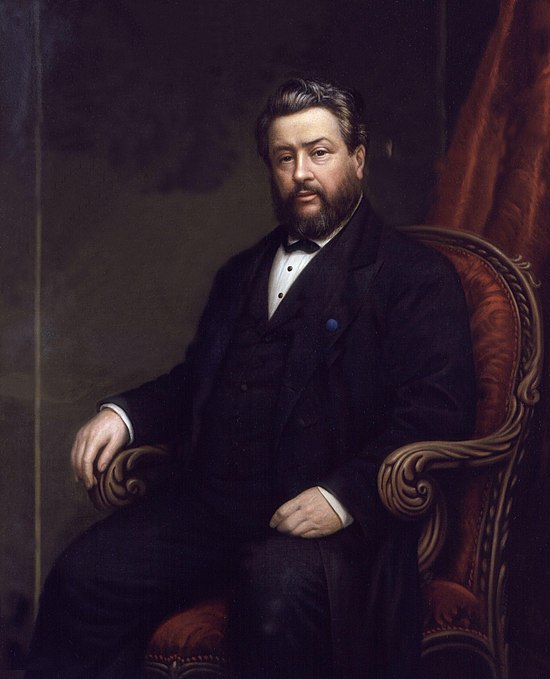
The Philosophy and Propriety of Abundant Praise!
Psalm 145:7; Romans 8
C. H. Spurgeon's sermon, "The Philosophy and Propriety of Abundant Praise," primarily addresses the theological doctrine of God's goodness and the imperative for believers to praise Him abundantly. Spurgeon argues that genuine praise arises from careful observation of God's majesty and mercy, as exemplified in Psalm 145:7 and Romans 8, highlighting God’s righteousness and benevolence. He emphasizes the significance of memory in retaining and recalling God's goodness, advocating for a life that reflects constant praise through both utterance and song, framing it as a natural response to God's eternal goodness. The practical implication of this message urges believers to cultivate a spirit of gratitude as an essential aspect of their faith, benefiting not only their spiritual well-being but also serving as a testimony to others of God’s marvelous works.
“Let us not be more sottish than the beasts of the field, but let us know the Lord, and consider well the greatness of his goodness.”
“The sweetness of divine love is so great that a single manifestation of it is often all that we can bear.”
“Abundantly utter the memory of His great goodness, and you will bring many to Christ.”
“We shall see it rising as it were beneath our feet, and ourselves rising with it, until we shall stand as upon the top of some loftiest alp that has pierced the vault of heaven.”
The Bible encourages abundant praise of God as an essential response to His goodness and righteousness.
Psalm 145:7
God's goodness is evidenced through creation, providence, and the redemptive work of Christ.
Romans 8, Psalm 145:7
Praising God is vital as it reflects our recognition of His goodness and strengthens our faith.
Psalm 145:7, Romans 8
Christians can remember God's goodness through careful observation, diligent memory, and personal experience.
Psalm 145:7
Auto-generated transcript • May contain errors

Comments
Your comment has been submitted and is awaiting moderation. Once approved, it will appear on this page.
Be the first to comment!